
 Editor's pick
Classroom Inspiration & Curriculum Ideas
Classroom inspiration works best when it starts with what children need to learn. Explore practical teaching ideas, curriculum activities and adaptable approaches for early years and primary classrooms. Find ways to connect subjects, support participation and make purposeful use of familiar resources, with guidance that helps you turn a promising idea into manageable everyday practice.
Classroom Inspiration & Curriculum Categories
How can you turn an activity idea into purposeful learning?
Start with a clear learning intention, then choose an activity that helps children explore or practise it. Think about what they already know, the vocabulary you will introduce and how you will recognise understanding. A memorable theme can provide a starting point, while the teaching sequence gives it purpose.
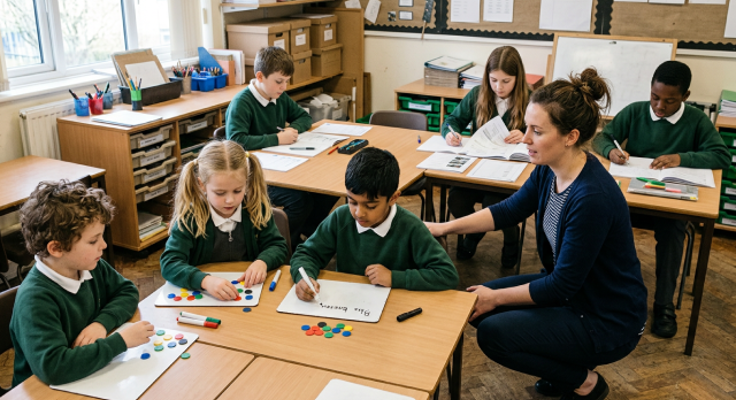
Before adding new materials, consider what you already have. Books, whiteboards, loose parts and everyday objects can be used in different ways across the week. Keep preparation manageable and allow time to revisit ideas rather than introducing a new activity for every lesson.
→ Related Guide: Eight (not six / seven) Teaching Tips and Strategies by Mike Kinnear
Featured articles


How light works: A simple guide for kids
What is light? How does light travel? And what facts are there to learn about light? Our guide to how light works for kids is the perfect science lesson.

Which colour pen is best for marking?
It’s an age-old teaching debate that seemingly has no answer. We look into what the industry, and even science, has to say about coloured pens and marking.

Fun facts about Ancient Egypt
Excite and engage your class in the wonders of ancient Egypt with this collection of fun facts about this incredible civilization.

What is LEGO® SPIKE™ Prime? A teacher’s guide
Explore LEGO SPIKE Prime with this guide for teachers.

Calm music for the classroom to encourage writing
Create a calm and welcoming environment in the classroom for pupils.

Protecting Language Learning – Why Expanding Hubs Matters
HEPI report urges expansion of Language Hubs to reverse the decline in language study. Findel shares insights on cultural literacy.

How to organise a school play
Getting a school play right can be tricky, check out this guide for putting on the best school play.

Preschool Activities
Roleplay and interaction activities that help children build essential skills for later life.

Fun library activities for children
Fun library activities that children can do whilst visiting the local library on a school trip.

Assembly ideas and presenting tips
A list of tips for presenting and leading assemblies.

16 apps for online teaching and tutoring
Definitive list of the best apps for teaching online, as recommended by a teacher who has been educating remotely for a lengthy period.

Apps for better teacher wellbeing
A list of apps that can help you achieve an improved mental state, plus a little information about each.
Frequently Asked Questions
How do I choose a classroom activity that supports the curriculum?
Begin with what you want children to know, understand or practise. Check where the activity fits in your teaching sequence and what pupils already know. Then choose materials, questions and support that serve that aim. Decide what you will look or listen for so that you can judge whether the activity has helped.
Can one resource support learning across different subjects?
Yes, when each use has a clear purpose. A set of objects might support counting, descriptive language or a sorting investigation at different times. Make the intended learning explicit and avoid adding subject links simply to make an activity cover more areas. Reusing familiar materials can also reduce preparation and help children use resources confidently.
How can I adapt an activity for children with different needs?
Keep the learning intention in view while adjusting how children access the task and show understanding. You might use larger materials, visual prompts, shorter instructions, a quieter space or additional modelling. Draw on what you know about individual pupils and agreed support plans. Review the adaptation through observation and discussion, rather than assuming one approach suits everyone.
What can I do when planning time is limited?
Choose a familiar routine and change the content rather than rebuilding the whole lesson. Reuse resources, keep instructions clear and select one manageable learning focus. A short discussion, worked example or practical task can be useful when it fits the teaching sequence. Keep notes on what worked so that successful approaches are easier to use again.
Are the ideas suitable for both early years and primary classrooms?
This hub brings together ideas for early years and primary teaching, but each activity needs to be checked against the children, curriculum and setting. Early years provision may involve exploration and responsive adult interaction, while primary lessons may need more explicit subject teaching. Use the linked article to assess its audience and adapt the approach thoughtfully.