

 Editor's pick
Outdoor Play and Physical Development in EYFS
Outdoor play supports EYFS physical development by giving children space and varied opportunities to move, balance, climb, carry, push, pull and coordinate their bodies. Effective provision combines open-ended equipment, active play, sensory exploration and appropriate challenge. It should be inclusive, adaptable and planned around children’s ages, interests, individual needs and developing confidence.
Outdoor Play and Physical Development Categories
How can outdoor play support gross-motor development?
Open spaces, pathways, climbing resources, low-level platforms, carts, barrows, loose parts, and balls allow children to run, start, stop, change direction, climb, jump, land, push, pull, carry, throw, roll, and catch.
→ Related Guide: Gross-Motor Development Guides
Which outdoor resources support balance and coordination?
Ground-level pathways, lines, spots, stepping markers, low beams, stepping stones, platforms, tricycles, scooters, outdoor music, dance, and large-scale construction support balance, weight transfer, steering, braking, pedalling, rhythm, body awareness, and coordinated movement.
→ Related Guide: Balance and Coordination Guides
What does inclusive outdoor play look like for SEND pupils in EYFS?
Inclusive outdoor provision gives children meaningful ways to participate according to their strengths, interests, communication preferences, and access needs by adapting routes, surfaces, equipment height, handling demands, visual information, or sensory stimulation.
→ Related Guide: What Does Inclusive Outdoor Play Look Like for SEND Pupils in EYFS?
Outdoor play equipment for EYFS: what does your setting need?
The most useful outdoor collection offers varied ways to move, explore, construct, and play, including climbing and balancing resources, wheeled toys, balls, hoops, large construction materials, digging tools, water resources, and portable loose parts.
→ Related Guide: Outdoor Play Equipment for EYFS: What Does Your Setting Need?
How can active play be included throughout the day?
Protect time for uninterrupted outdoor play, avoid relying only on fixed equipment, combine adult-led and child-initiated activity, reduce unnecessary periods of inactivity, include physical activity in everyday experiences, and follow current physical-activity guidance.
→ Related Guide: Active Play Guidance
How can sensory and messy play support outdoor physical development?
Sensory and messy play can involve significant physical activity such as carrying water, digging in sand, stirring mud, moving containers, and transporting loose parts, involving strength, coordination, balance, and fine-motor control.
→ Related Guide: Sensory, Messy & Creative Play Hub
How can outdoor provision support the EYFS Physical Development area?
| Physical-development focus | Possible outdoor experiences | Practitioner considerations |
|---|---|---|
| Core strength and stability | Climbing, crawling, pushing, pulling, carrying and large-scale construction. | Offer regular opportunities at different levels of challenge. |
| Balance | Stepping stones, floor lines, low beams, slopes and varied surfaces. | Begin at ground level and allow children to progress when confident. |
| Coordination | Wheeled play, throwing, catching, dancing and construction. | Use varied equipment sizes and allow repetition. |
| Spatial awareness | Pathways, obstacle arrangements, chasing games and navigating around others. | Teach safe awareness without removing all movement or challenge. |
| Agility | Running, stopping, changing direction, jumping and energetic games. | Provide enough clear space and suitable surfaces. |
| Hand–eye coordination | Rolling, throwing, catching, pouring, digging and using outdoor tools. | Adapt the size, weight and speed of equipment. |
| Fine-motor control | Fastening, weaving, gardening, chalking and manipulating small outdoor resources. | Connect fine-motor experiences to meaningful play. |
| Confidence and perseverance | Trying a new route, repeating a movement or redesigning a physical challenge. | Support without rushing, comparing or taking over. |
| Self-care and independence | Managing coats, footwear, outdoor clothing and personal belongings. | Allow time and provide accessible storage and suitable seating. |
Inclusive Outdoor-Play Planning Checklist
Use this checklist to plan or review inclusive outdoor provision in a nursery, Reception class or primary school PDF Free download
Featured articles

Explore outdoor learning resources with Hope Education to support physical development and active play across your setting.
Explore outdoor learning resources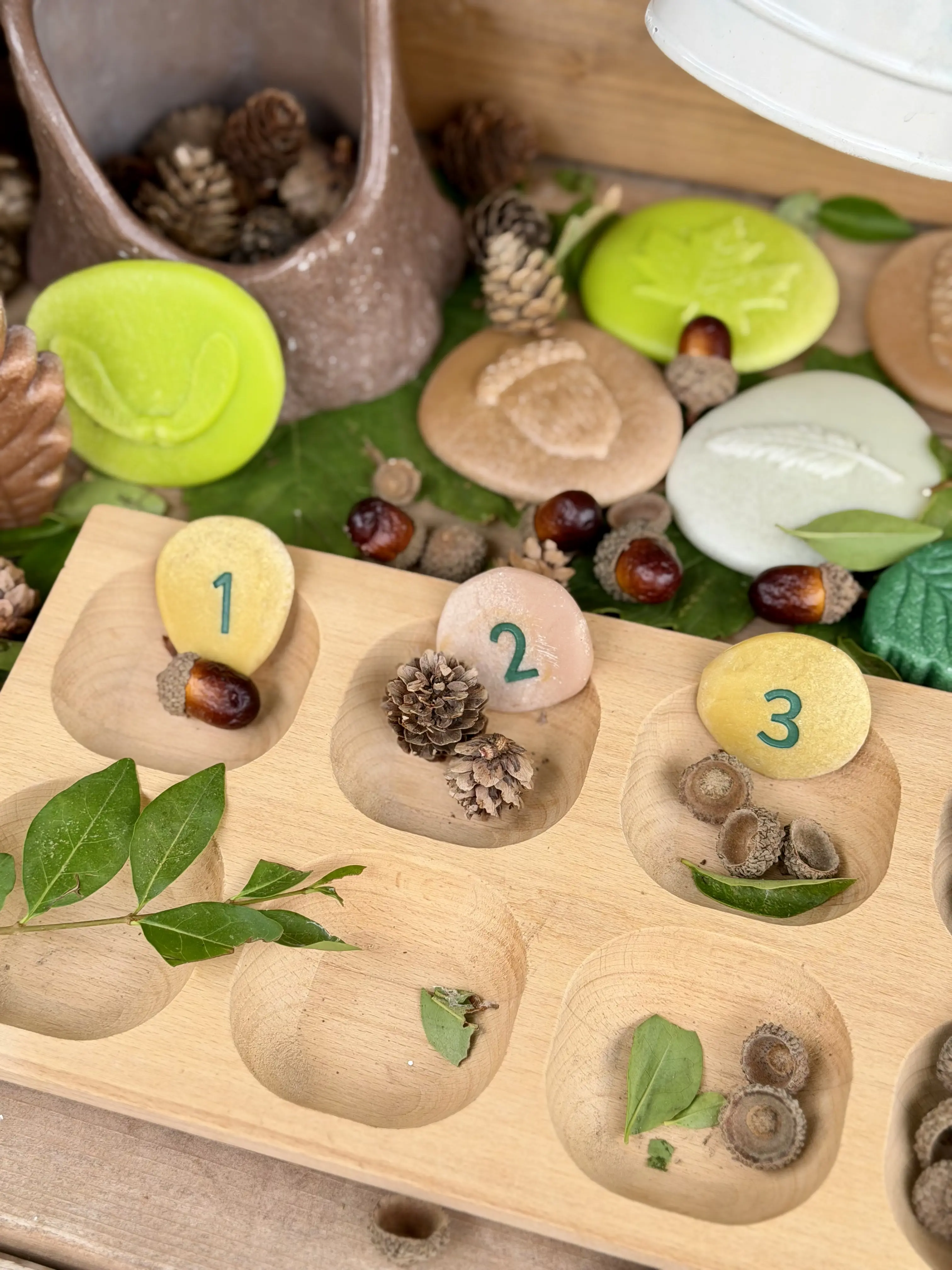
Bring autumn inspiration to their learning
Discover a few easy ways to bring play and learning to life, using natural autumn loose parts.
Hope Champions Free Resources to Keep Children Active This Autumn
Discover why backing a FREE movement initiative this autumn can help teachers settle their classes quickly.
Imogen Buxton-Pickles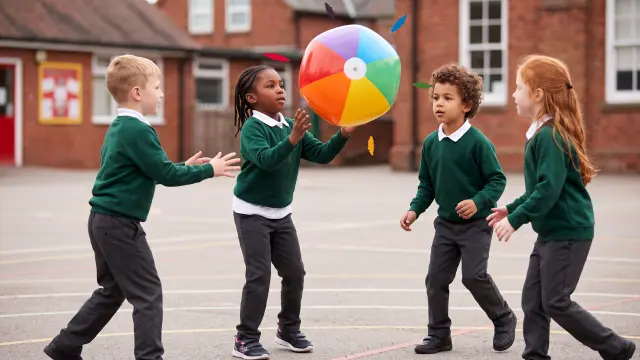
Balls for EYFS and KS1 Physical Development: An Age-Matched Guide
The best balls for EYFS and Key Stage 1 match children’s current physical development rather than age alone. Larger, lighter and softer balls help beginners track, hold and control movement, while smaller or faster balls introduce greater challenge. A carefully planned range supports rolling, throwing, catching, kicking, coordination and confidence through purposeful, enjoyable physical play.
Christine Wheatcroft
How Outdoor Play Supports EYFS Physical Development
Outdoor play supports EYFS Physical Development by giving children the space, freedom and motivation to move in varied and increasingly controlled ways. Through running, climbing, balancing, digging, building and handling tools, children strengthen their bodies, refine coordination and develop the confidence they need to participate in active play, everyday routines and future learning.
Jack Clarke
Outdoor Play Equipment for EYFS: What Does Your Setting Need?
Outdoor play equipment for EYFS should give children regular opportunities to run, climb, balance, build, transport, create and investigate. Settings do not need the largest playground or the most expensive equipment. A carefully chosen mix of versatile resources, appropriate physical challenge and accessible storage can support meaningful outdoor learning across the whole EYFS curriculum.
Christine Wheatcroft
3 Easy Summer Nature Activities for Early Years: Part 1
Discover three simple outdoor summer activities that encourage creativity, sensory exploration and learning through play. Download our free activity pack from Early Years Outdoors and inspire little learners with nature-based adventures they'll love.
Katie Taylor
How Brockley’s OPAL Approach Builds Resilience and Social Skills
Read here about how Brockley’s OPAL Approach Builds Resilience and Social Skills through outdoor equipment

Outdoor construction play for early years
Outdoor construction play for early years, check out our ideas here...

Simple Balance Games for Key Stage 1
Developing balance is a key part of physical development in Key Stage 1. Take a look at our balance game suggestions here.

Exploring the Power of Large-Scale Play
Large-scale play expands the principles of small-world play into a full-bodied, spatial experience. Check our tips from Nick here...

Teaching maths outdoors: maths awareness month
Maths awareness month is in April, and teaching maths outdoors helps children practice maths away from the classroom with outdoor play.

£70 Million Investment Expands Cadet Forces in Schools
Government funds 40,000 new school cadets by 2030. Findel explores how this builds leadership and teamwork.
Frequently Asked Questions
How does outdoor play support EYFS physical development?
Outdoor play gives children space and opportunities to run, jump, climb, balance, carry, push, pull and coordinate their bodies. Regular varied experiences can support strength, stability, spatial awareness, agility and confidence.
What outdoor play equipment does an EYFS setting need?
A balanced collection may include climbing and balancing resources, wheeled toys, balls, large construction materials, gardening tools and portable open-ended equipment. Choices should reflect the children, available space, storage and intended developmental opportunities.
What does inclusive outdoor play look like for children with SEND?
Inclusive provision offers different ways to participate, accessible routes, adaptable resources and suitable adult support. Adjustments should respond to the individual child rather than assume one approach will work for everyone.
How much physical activity should early years children have?
Current UK Chief Medical Officers’ guidance recommends that children aged one to five aim for at least 180 minutes of physical activity spread throughout the day. Early years settings contribute to this total alongside activity at home and in the community.