
How to Prepare Your Reception Classroom for September
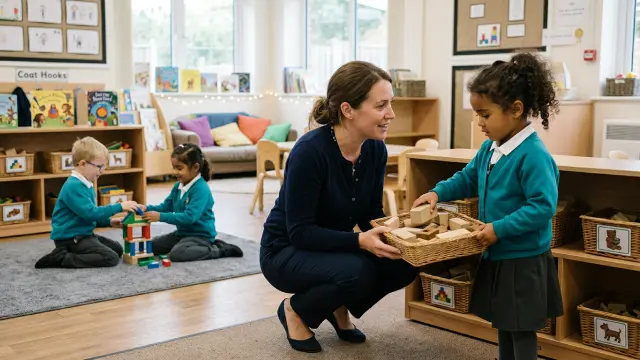
Preparing a Reception classroom for September means creating a calm, welcoming environment, gathering useful information from families and introducing routines gradually. Prioritise belonging, communication, accessible resources and predictable transitions. Children do not need to master the classroom immediately; they need time, reassurance and meaningful opportunities to explore, build relationships and understand their new environment.
Carla Bonner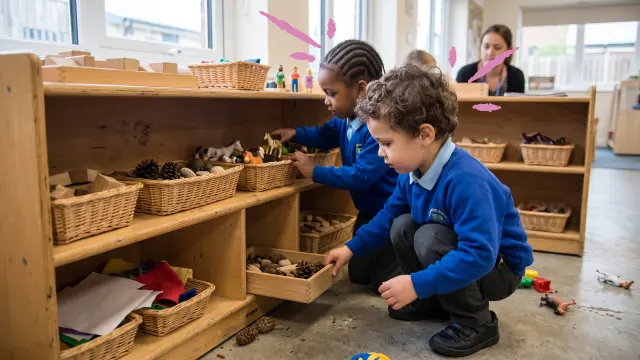
The EYFS Enabling Environments Principle, Explained
An enabling environment is an Early Years space in which children feel safe, included and confident to explore. It brings together purposeful organisation, accessible resources, responsive adult support and positive relationships with families. Its quality is measured not by its appearance or quantity of equipment, but by what it enables every child to experience, practise and learn.
Adelle Whitfield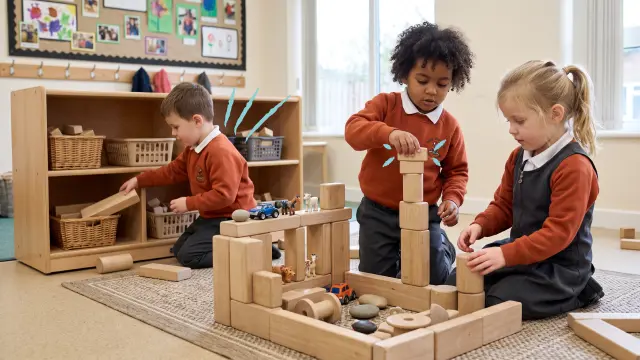
How to Set Up Different Areas in an EYFS Classroom
Different areas in an EYFS classroom should provide purposeful opportunities for play, communication, movement, creativity and exploration. Effective areas are clearly organised but flexible, with accessible resources that children can use independently. The aim is not to fill every available space, but to create an inclusive environment that supports the curriculum, children’s interests and responsive adult teaching.
Natalie McMunn
Guide to the School-Based Nursery Capital Grant
Discover how the School Based Nursery Grant supports early education, helps families afford quality childcare, and benefits communities.

Ollie’s Top 10 Tips For Setting Up A New Nursery
Ollie’s top 10 tips for setting up a new nursery, read it here!

Nursery Transformation Story
Nursery transformation story, check out our latest nursery transformation work here at Hope.
Frequently Asked Questions
How should an early years learning environment be planned?
Start with the children, curriculum and intended experiences. Create clear but flexible areas, maintain safe movement and supervision routes, provide accessible storage and protect enough open space for large-scale and collaborative play.
What size tables and chairs do early years settings need?
Furniture should fit the children using it. Check manufacturer size guidance and children’s measurements. Suitable seating should support a stable position, with feet supported and the table at a comfortable height for the activity.
Which storage is best for independent access in EYFS?
Low, open shelving with baskets, trays or transparent containers can help children see and return resources. Labels should suit the children, and heavy, small or supervised items must be stored safely.
What should an EYFS quiet area include?
A quiet area may include comfortable seating, books, soft furnishings and a limited selection of familiar resources. It should remain supervised, accessible and separate from behaviour sanctions.
How often should an EYFS room layout be reviewed?
Review the layout whenever children’s needs, numbers or access requirements change and as part of regular provision checks. Observe how the space is used before moving furniture or replacing successful areas.
Stay connected with Hope Early Years
Follow Hope Early Years for practical early years ideas, product inspiration, nursery procurement guidance and the latest education news.