
Hope Blog
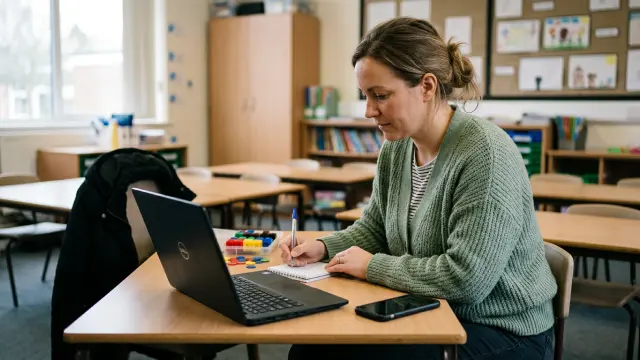
How Can Teachers Use Social Media for Professional Development?
Teachers can use social media for professional development by following credible organisations, joining focused education communities and using relevant posts to begin further reading or reflection. It is most valuable when staff verify claims, protect professional boundaries, follow safeguarding and data-protection procedures, and connect informal online learning with their role, pupils and wider school priorities.
Natalie McMunn
How should nurseries spend their Inclusive Early Years Fund allocation?
Nurseries should start by identifying the three or four barriers that come up most often across their rooms. The Inclusive Early Years Fund can then be directed to resources, environmental changes and staff training that address them, alongside existing SEND funding, and pooled across settings where the Department for Education's guidance allows.
Rav Gehlon
Speech and Language Development in Early Years: Why It Matters
Speech and language development in the early years plays a vital role in how children learn, build relationships and develop confidence. From expressing their needs to sharing ideas with others, communication skills shape how children interact with the world around them.
James Robson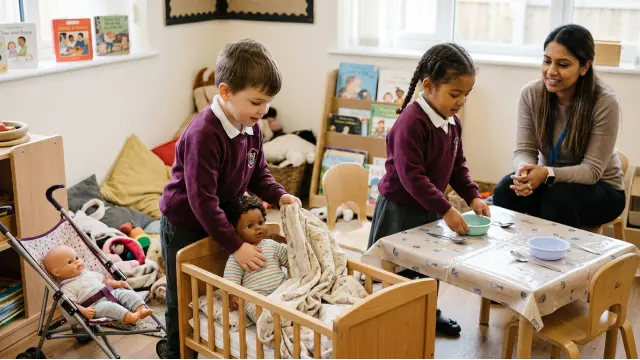
What multicultural resources does an EYFS setting need?
An EYFS setting needs multicultural resources that accurately reflect the children, families and wider society across everyday play, books, images, music, dolls, small-world figures and home-corner materials. Representation should be sustained and respectful rather than saved for festivals. Hope Education recommends auditing the whole environment, checking authenticity and avoiding resources that reduce cultures, faiths or identities to stereotypes.
Carla Bonner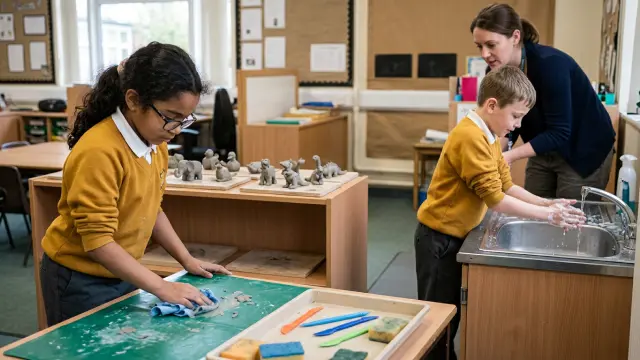
What is air-drying clay and is it safe for primary schools?
Air-drying clay is a modelling material that hardens through exposure to air rather than kiln firing. It can be suitable for primary schools when staff choose an age-appropriate product, follow its instructions and control dust, hygiene and tool risks. Schools should assess the exact material and activity; “air-drying” alone does not guarantee that every product is suitable.
Carla Bonner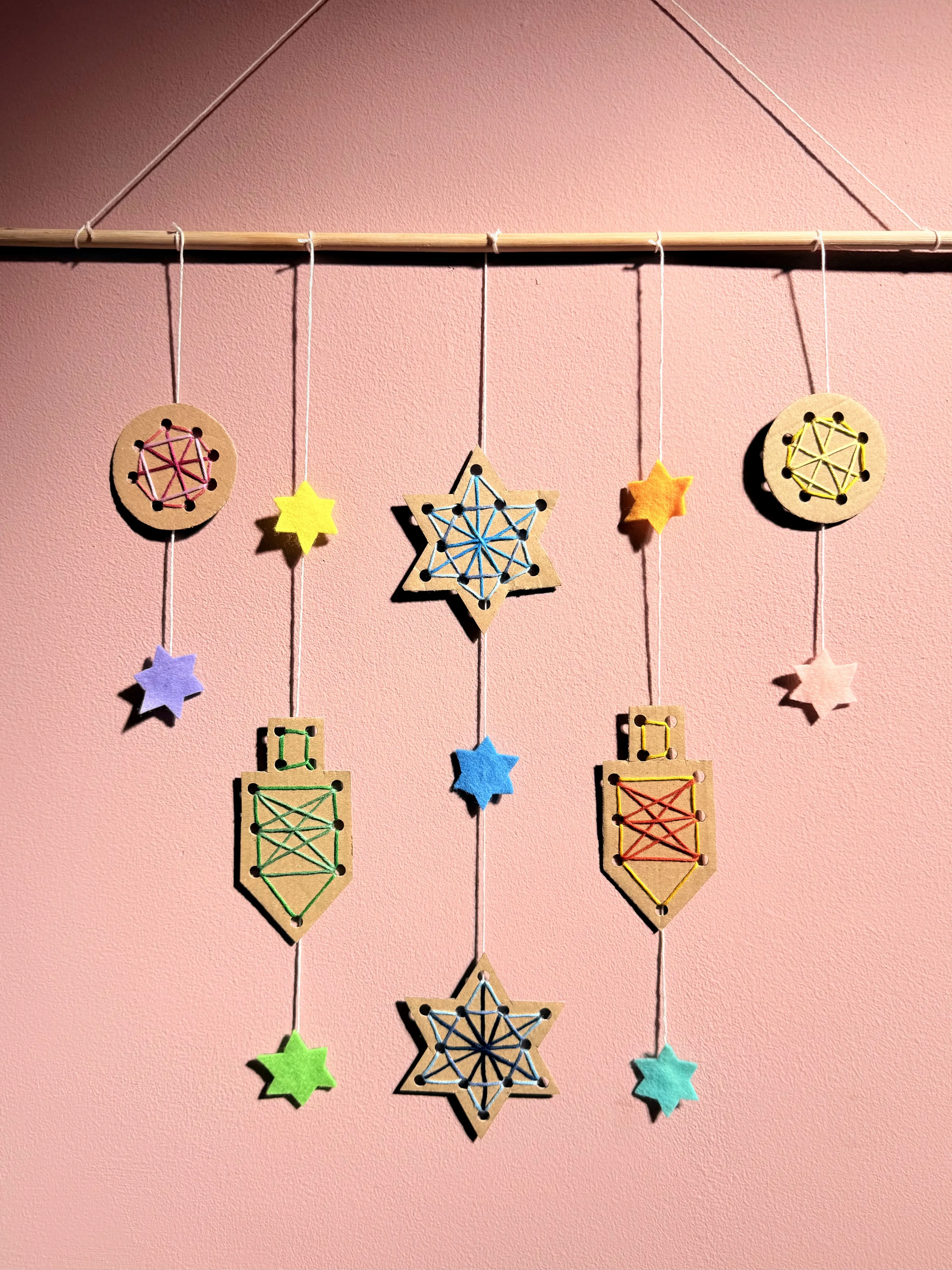
Festival crafts: A Hanukkah Mobile
Looking for a simple, creative way to explore Hanukkah with the children? This lovely craft from Sharon at Crafted by Bears is a great one to try together.
Cecilia Drummond-Roe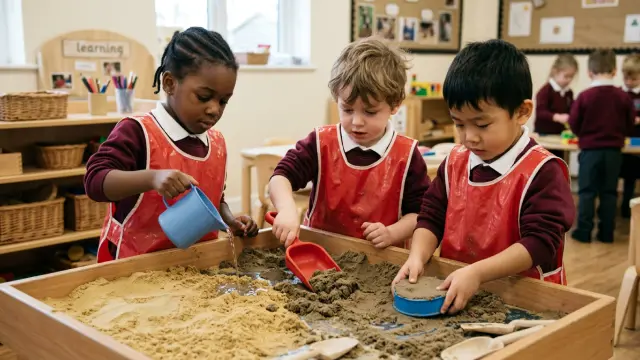
Wet Sand vs Dry Sand: What’s the Difference for EYFS?
Dry sand is loose, flowing and ideal for pouring, sieving and exploring capacity, while wet sand can be moulded, shaped and used for building. Both offer valuable but different EYFS learning opportunities. Providing children with access to each supports sensory exploration, physical development, early maths, communication and imaginative play through practical, child-led experiences.
Rachel Pangburn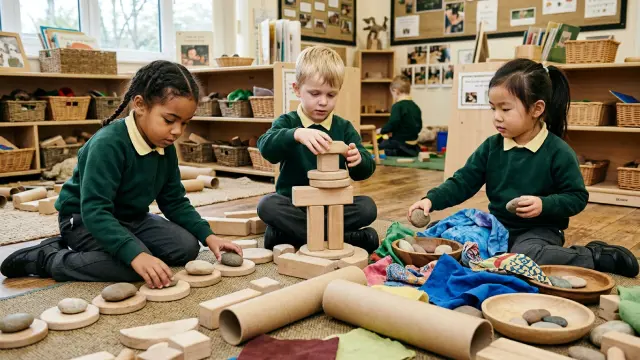
Loose Parts and Heuristic Play: A Practitioner’s Guide
Loose parts and heuristic play give young children open-ended opportunities to investigate, combine, transport and organise everyday objects. Rather than working towards a predetermined result, children can follow their curiosity, test ideas and discover how materials behave. Thoughtful resource selection, careful observation and appropriate supervision help practitioners turn simple objects into rich Early Years learning experiences.
Leah Smith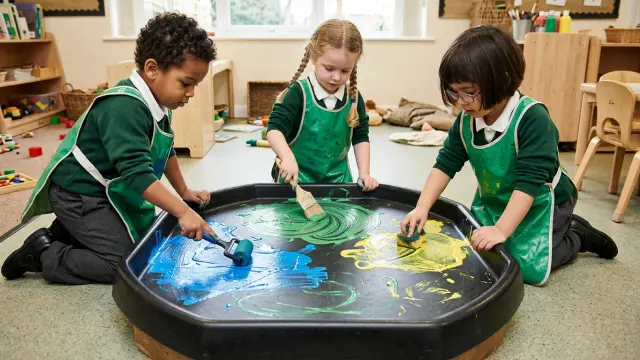
What Is a Tuff Tray and How Is It Used in EYFS Settings?
A tuff tray is a large, shallow activity tray used to contain sensory, messy, creative and small-world play. In EYFS settings, it provides a defined space where children can investigate materials, develop physical skills, use their imagination and explore early concepts. Its versatility makes it a valuable part of carefully planned continuous provision.
Rachel Pangburn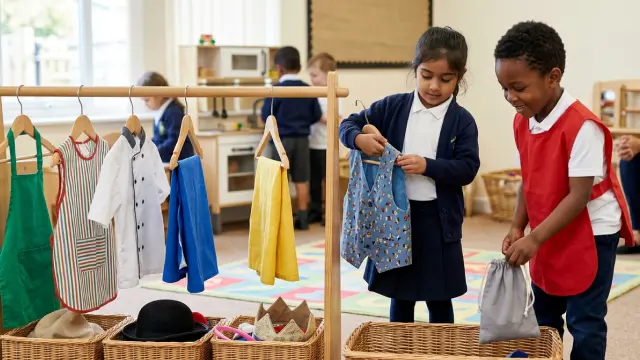
What dressing-up clothes does an EYFS setting need?
An EYFS setting needs a manageable, inclusive selection of dressing-up clothes that children can put on independently and use in many different stories. Prioritise open-ended fabrics, familiar occupational clothing, culturally respectful garments and simple accessories rather than relying only on complete costumes. Resources should be comfortable, washable, safely maintained and organised where children can choose them without unnecessary adult help.
Adelle Whitfield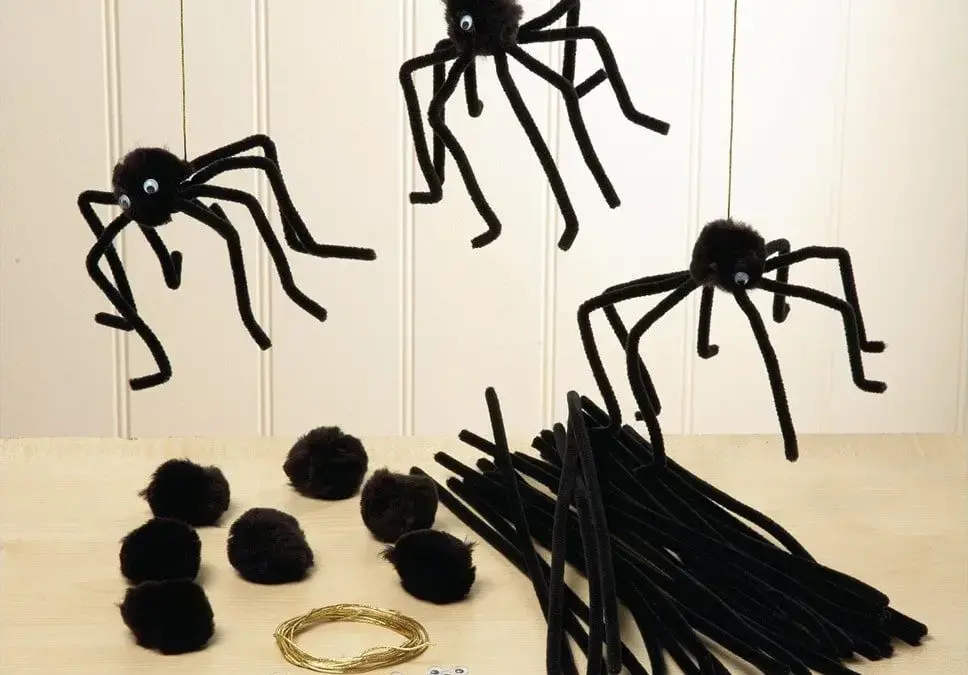
How to make easy pipe cleaner spiders
A simple but spooky solution for a school craft session - pipe cleaner spiders.
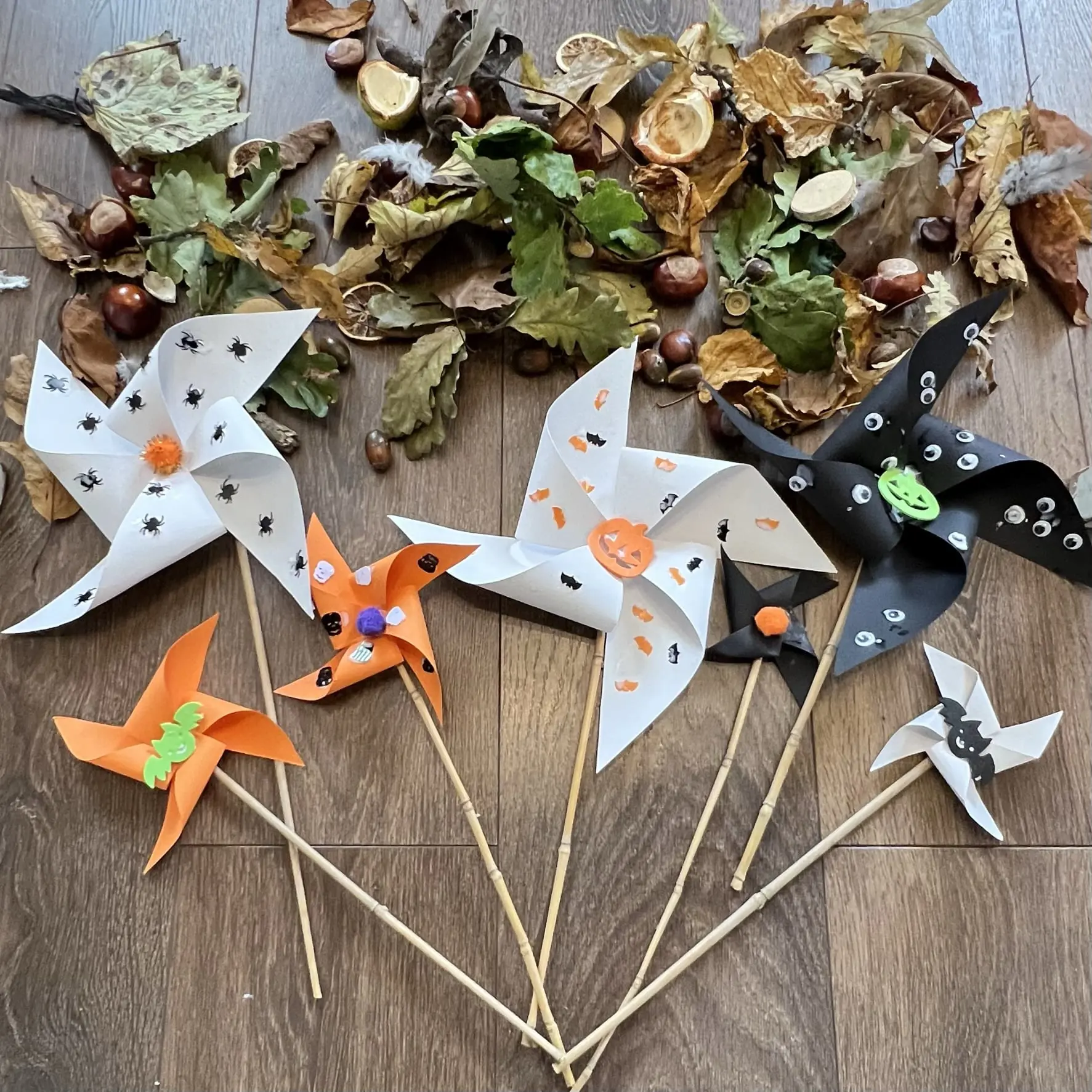
Halloween Craft – Creepy Pinwheel
We've teamed up with an influencer to create a Halloween pinwheel craft perfect for Halloween parties or decorations!