
Hope Blog
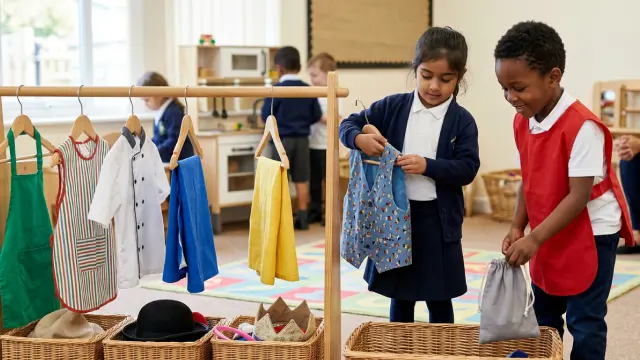
What dressing-up clothes does an EYFS setting need?
An EYFS setting needs a manageable, inclusive selection of dressing-up clothes that children can put on independently and use in many different stories. Prioritise open-ended fabrics, familiar occupational clothing, culturally respectful garments and simple accessories rather than relying only on complete costumes. Resources should be comfortable, washable, safely maintained and organised where children can choose them without unnecessary adult help.
Adelle Whitfield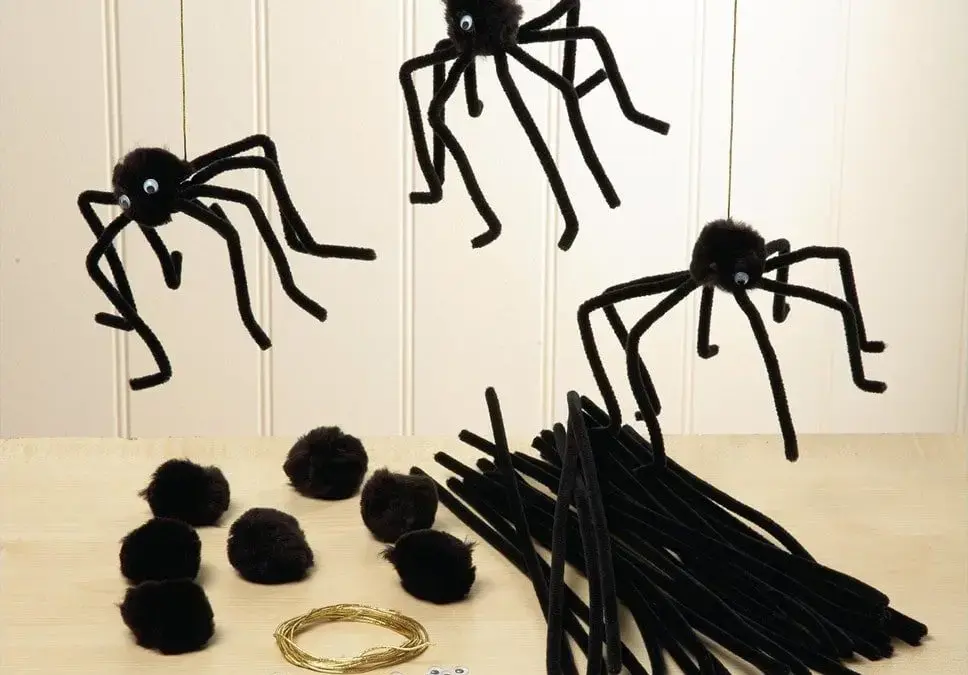
How to make easy pipe cleaner spiders
A simple but spooky solution for a school craft session - pipe cleaner spiders.
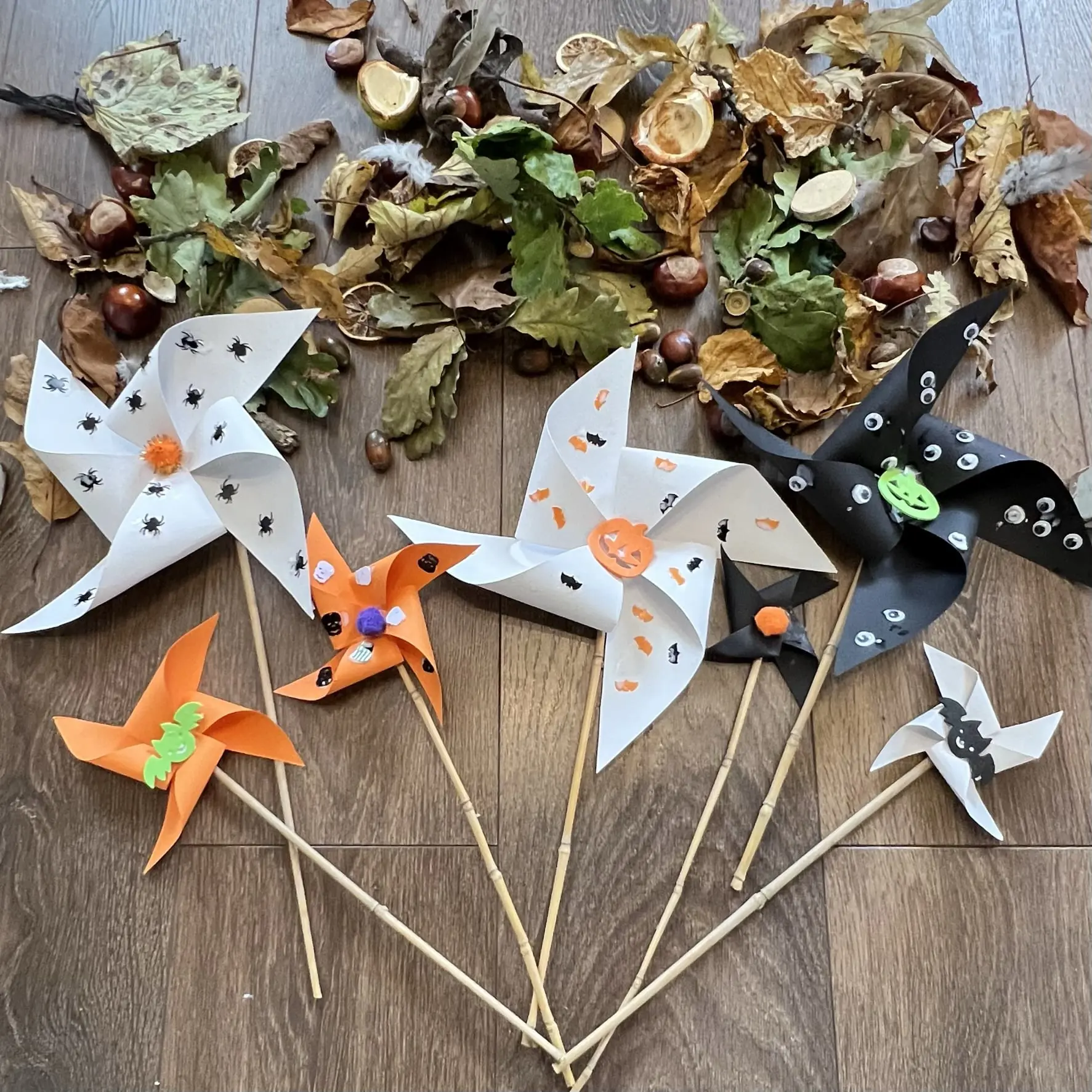
Halloween Craft – Creepy Pinwheel
We've teamed up with an influencer to create a Halloween pinwheel craft perfect for Halloween parties or decorations!
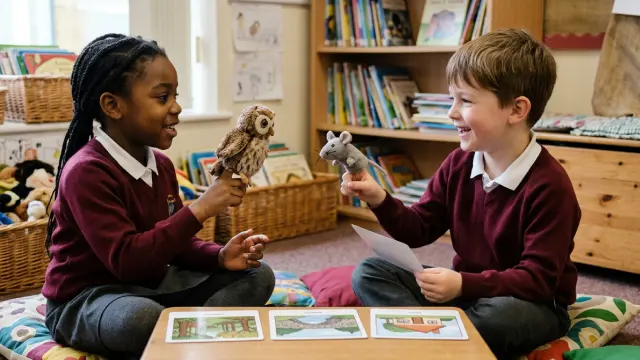
What puppets does a primary school need for storytelling?
A primary school needs a focused puppet collection that supports oral storytelling, retelling, vocabulary and pupil-created narratives. Include versatile people, animals and simple character types alongside puppets reflecting varied families and communities. Choose designs pupils can manipulate confidently and organise in accessible sets. Educational value depends more on purposeful teaching and repeated use than on owning a large collection.
Jack Clarke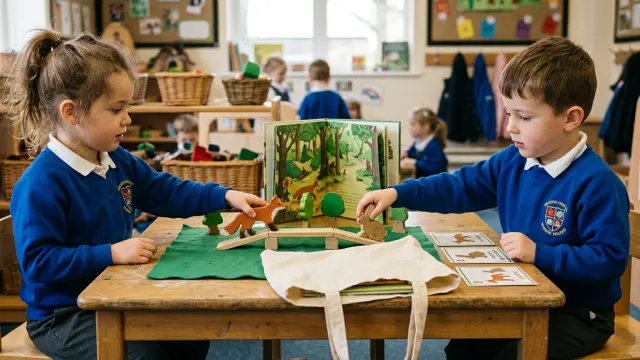
What story sacks does a school need for early literacy?
A school needs story sacks that help children understand, retell and discuss carefully chosen books, rather than a sack for every title. Each useful set contains a quality text plus a few purposeful props, characters and prompts. Prioritise repeated use, inclusive representation and easy organisation. Resources should extend shared reading without distracting children from the story itself.
Natalie McMunn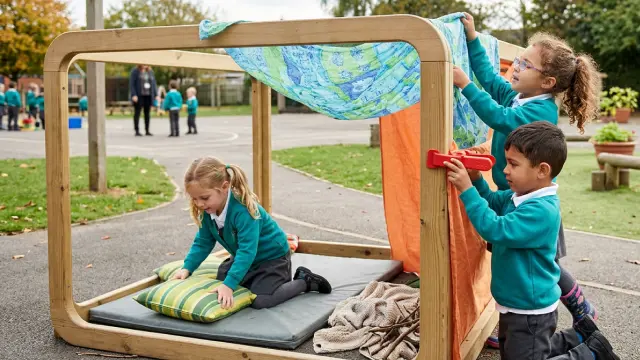
What den-building resources does an EYFS setting need?
An EYFS setting needs versatile den-building resources that children can move, combine and adapt safely. Useful provision includes lightweight fabrics, supervised-play clips, cushions, mats, crates, low frames and risk-assessed natural or recycled materials. The aim is not to create a perfect den for children, but to support planning, cooperation, physical development and imaginative play.
Christine Wheatcroft
How Can Early Years Settings Close the Vocabulary Gap?
Early Years settings can help close the vocabulary gap by creating frequent, meaningful opportunities for children to hear, understand and use new words. Responsive conversation, shared reading, songs, storytelling, role play and practical experiences are most effective when adults follow children’s interests, revisit vocabulary in different contexts and value every child’s home language and way of communicating.
Jack Clarke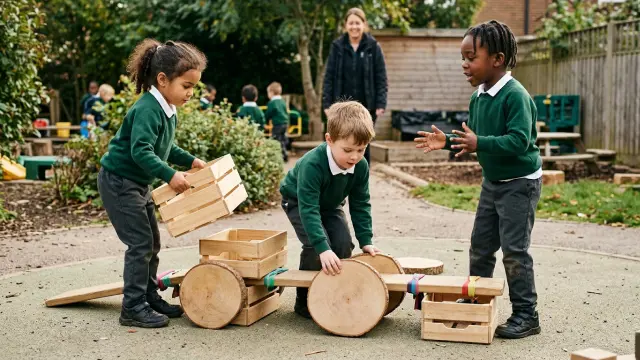
Loose Parts Play in Early Years: Benefits, Ideas and Setup Tips
Loose parts play gives children adaptable objects they can move, combine, arrange and transform in their own ways. In Early Years provision, a carefully chosen collection can support creativity, language, problem-solving, physical development and early mathematical thinking. Effective provision begins with safe, accessible materials, clear routines and adults who observe and extend play without controlling it.
Carla Bonner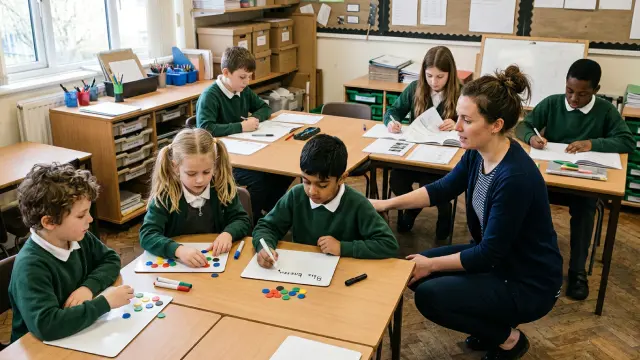
How Small School Leaders Can Manage Workload Staffing and Resources
Leading a small primary school means balancing strategic decisions with day-to-day responsibilities, often with limited staffing and little spare capacity. The most effective approach is to set a small number of clear priorities, share responsibility carefully, protect staff workload and use local partnerships to strengthen curriculum planning, recruitment and resource management.
How Mark-Making in Sand and Messy Play Supports Early Literacy
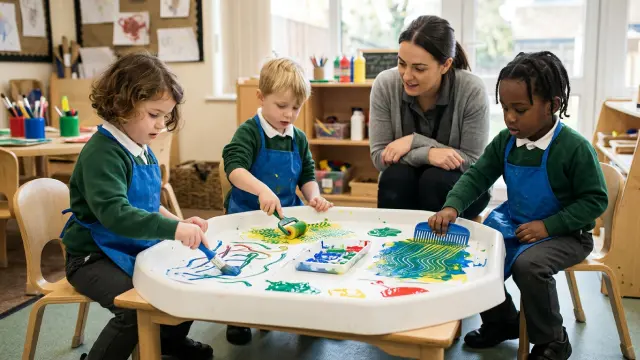
Mark-making in sand and messy play supports early literacy by helping children connect movements, symbols, sounds and meaning through practical exploration. Drawing lines, making patterns and representing ideas can strengthen the physical control, language and confidence needed for writing. These experiences are most effective when they remain playful, purposeful and connected to children’s communication.
Rachel Pangburn
Using Visual Timetables in the Classroom | Practical SEND Support Simon Hunt
Discover how a Year 3/4 teacher uses visual timetables to support routines, reduce anxiety and build independence. Practical classroom ideas using the LDA Magnetic Visual Timetable.
Simon Hunt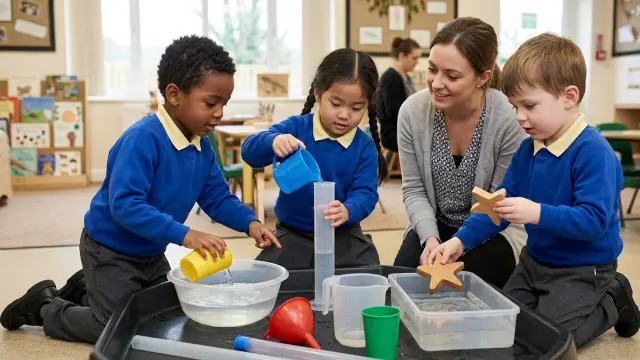
How Water Play Supports Child Development in EYFS
Water play supports child development in EYFS by giving children practical opportunities to pour, fill, transport, investigate and solve problems. These experiences can strengthen physical coordination, communication, early mathematical understanding, scientific thinking and cooperative play. With thoughtful adult support and suitable resources, a water area can become a purposeful, child-led part of continuous provision.
Rachel Pangburn