
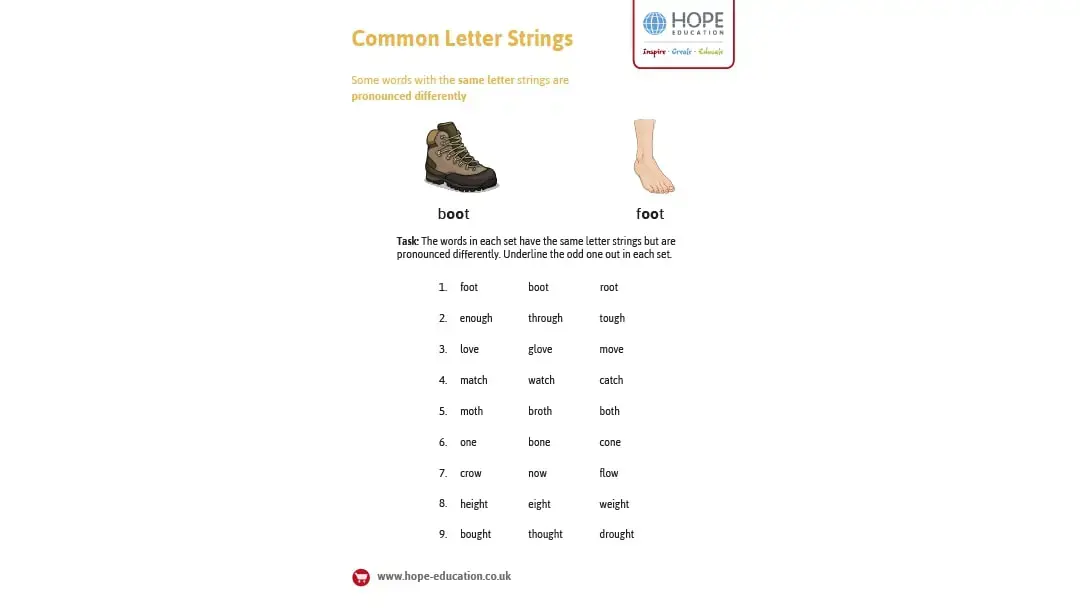
Common letter strings worksheet
Download our free worksheet for exploring common letter strings and their various sounds. Children can read the groups of words and circle the odd one out.
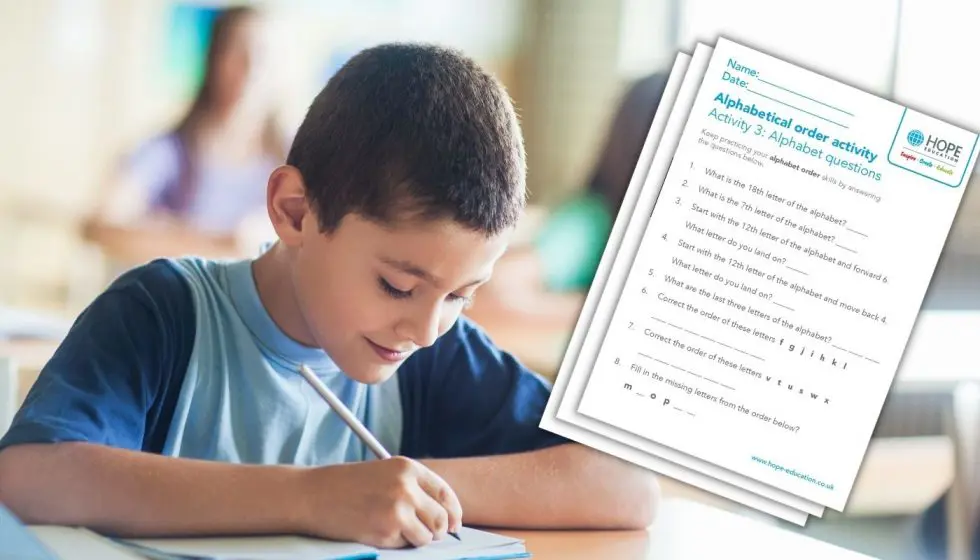
Alphabetical order worksheet pack
Getting to know the letters of the alphabet can be a challenge, but it's also an important skill. Download our free alphabetical order worksheet pack from this blog.
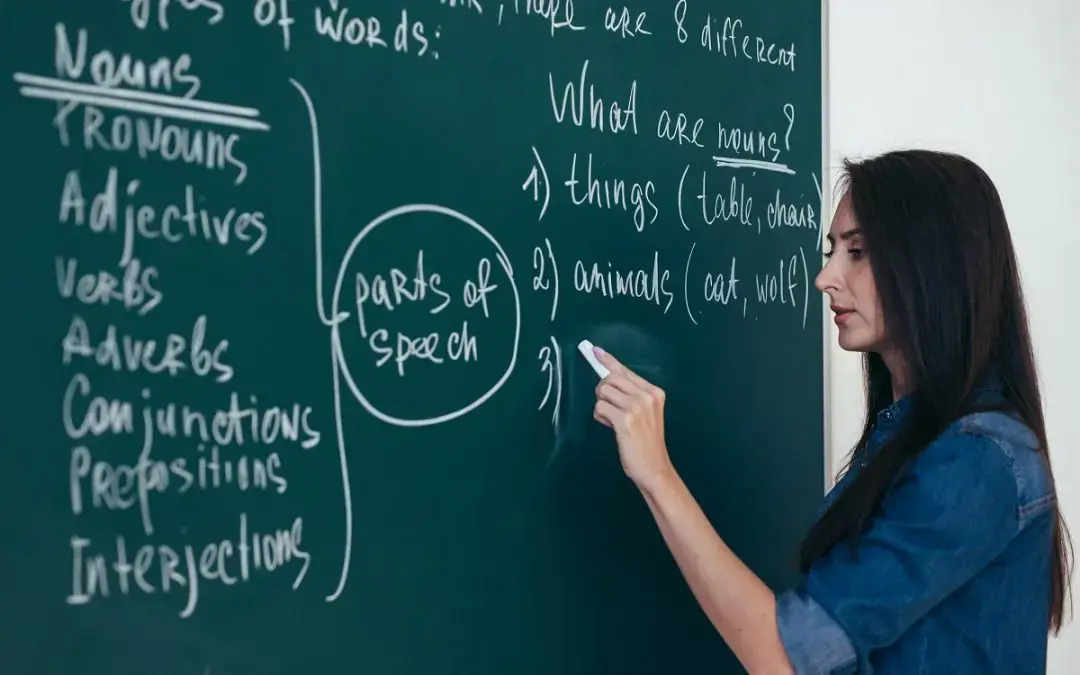
12 activity ideas and the benefits of learning vocabulary
Vocabulary is one place where we never stop learning. Check our our activity ideas here which benefit children learning vocabularly.

School book club reading activities
School book club reading activities With National Book Lovers Day coming up on the 9th of August, get children involved during the summer holidays by creating a school book club. Include plenty of book related activities to inspire children to read.
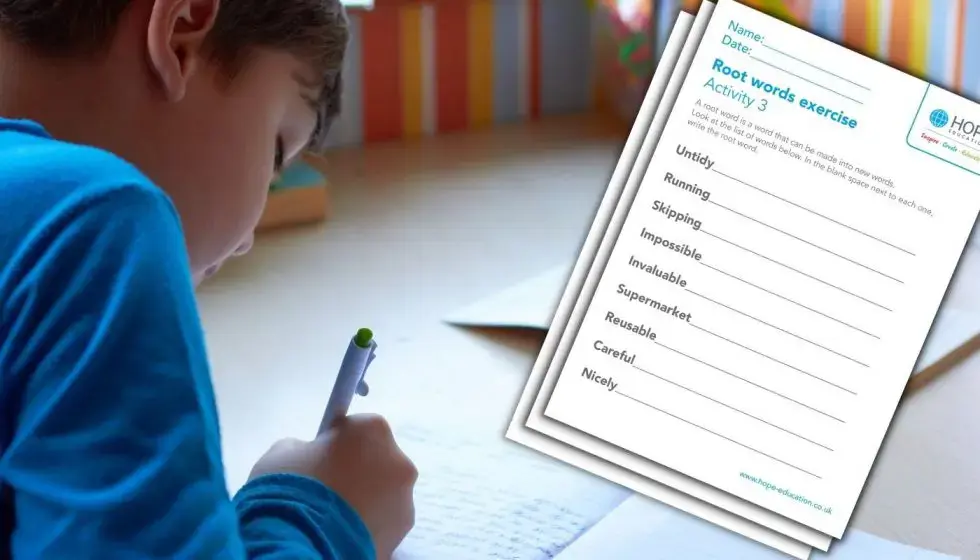
Root words worksheet pack
A comprehensive worksheet pack that focuses is on root words, including their relationship with suffixes and prefixes. Download it for free here.

Engaging Reluctant Readers in Education
Have a read of these classroom tested ideas to help make reading exciting, even for hesitant learners by Callum Porter.

A New Writing Framework for Primary Schools – Helping Every Child Find Their Voice
DfE publishes new writing framework to improve literacy. Findel helps schools embed confident, purposeful writing.

Unlocking Creativity Through Storytelling
Stories don’t just entertain they build language, spark imagination, and create connections. Article by Caroline Rodgers

Teach guided reading in the classroom
Guided reading in the classroom can be difficult to implement. We have created ways to carry out guided reading sessions in class to aid you.

Teaching children how to proofread and edit their own work
Teaching children to proofread and edit their own work can be challenging. Read this blog to discover handy tips for proofing and editing work.
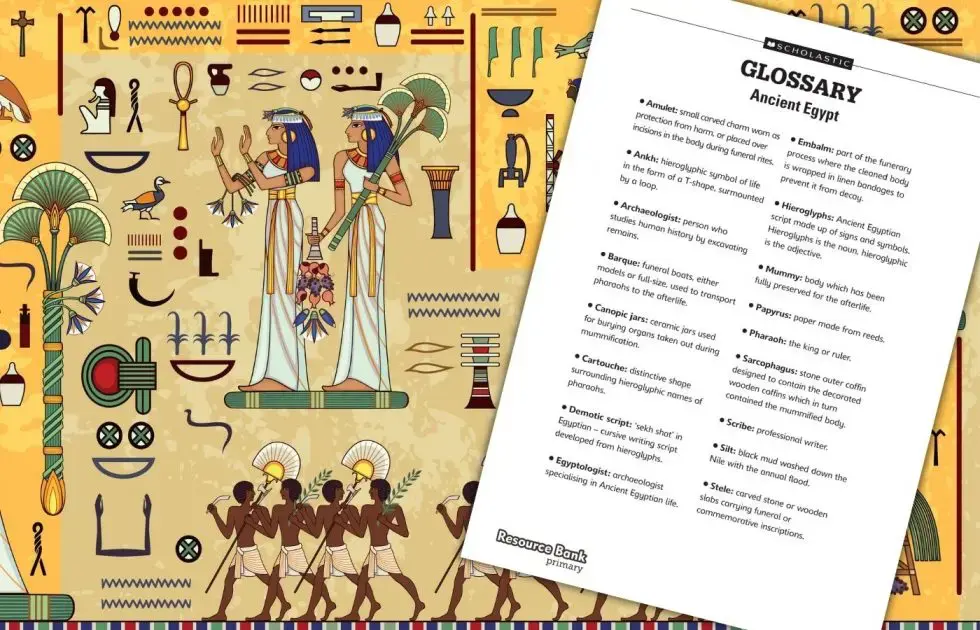
Ancient Egyptian glossary and vocabulary list
Enhance your class's knowledge on Ancient Egypt with this 16-word strong glossary of key terms and definitions from the time. Download it for free.

Building literacy skills: using LEGO ® in the classroom
Check out these building literacy skills tips using LEGO bricks is a fantastic way to engage a class.
Frequently Asked Questions
What Types of Books Should an EYFS Setting Provide?
EYFS settings should provide picture books, rhymes, poems, traditional tales, simple non-fiction and books linked to children’s interests. Collections should include familiar favourites and varied characters, families and experiences. Books should be available for adult-led sharing and independent exploration.
Do Decodable Books Need to Match the School’s Phonics Programme?
Yes. Books used by children who are beginning to read should match the progression of the school’s chosen systematic synthetic phonics programme. Pupils should be able to decode the words using the phonics knowledge they have already been taught.
How Many Books Should Be Displayed in a Reading Corner?
There is no single correct number. The display should be varied but manageable, allowing children to see, choose and return books independently. A smaller selection can be rotated regularly according to children’s interests, teaching and the condition of the books.
How Can Schools Make Classroom Book Collections More Inclusive?
Schools can audit who appears in their books, who has agency and which families, communities and experiences are represented. Inclusive books should be part of everyday provision rather than restricted to particular celebrations or themed events.
What Should Schools Consider When Buying Literacy Intervention Resources?
Schools should identify the precise barrier, check alignment with classroom teaching, consider the evidence behind the approach and establish how progress will be assessed. Intervention resources should supplement—not replace—high-quality teaching and regular access to meaningful reading.
Stay connected with Hope Early Years
Follow Hope Early Years for practical early years ideas, product inspiration, nursery procurement guidance and the latest education news.