
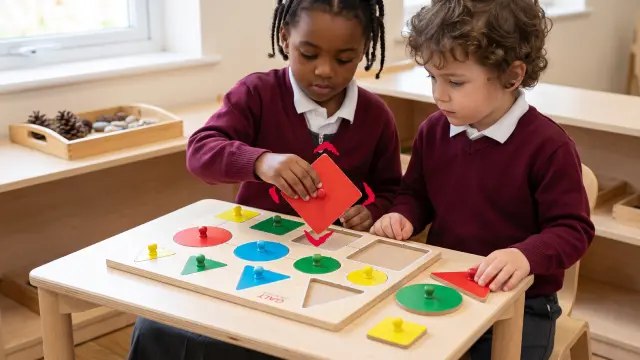
How Play-Based Learning Supports Early Maths in EYFS
Play-based learning supports early maths by giving children meaningful opportunities to count, compare, sort, build, measure and notice patterns. Through carefully planned play, children can handle mathematical ideas, test their thinking and explain what they observe. Skilled practitioners strengthen this learning by choosing purposeful resources, modelling precise language and knowing when to join, extend or observe play.
Natalie McMunn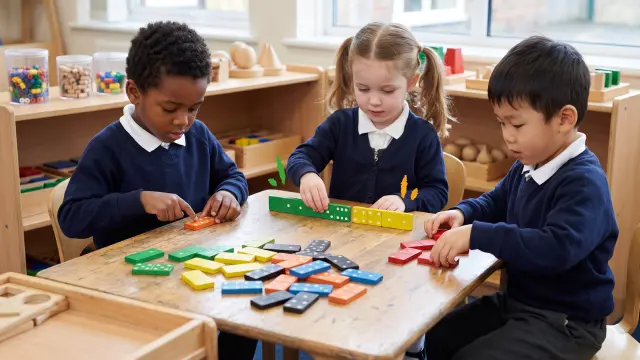
Maths Resources for EYFS: A Practical Buying Guide
The best EYFS maths resources help children explore number, pattern, shape, space and measure through meaningful play. Settings need a carefully chosen range of manipulatives, everyday objects, games and open-ended materials rather than shelves filled with similar products. Resources should match the curriculum, children’s developmental needs and the mathematical thinking practitioners want to encourage.
Rachel Pangburn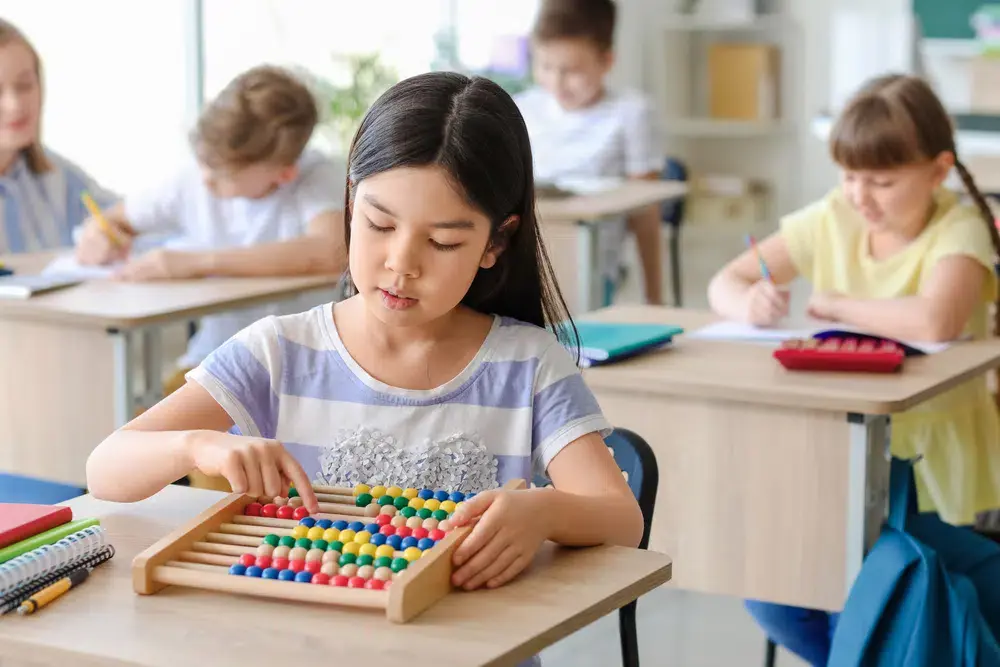
Teaching Fractions in KS2: Hands-On Ideas with a Fractions Stacker
Explore practical ways to teach fractions in KS2 using a Circular Fractions Stacker. Build understanding, confidence and maths talk through hands-on learning in Year 3/4.
Simon Hunt
Name the 2D shape: A worksheet
Use this Measures, Shapes and Space worksheet with your KS1 pupils and help them get to grips with shapes. Match the shape to the name.
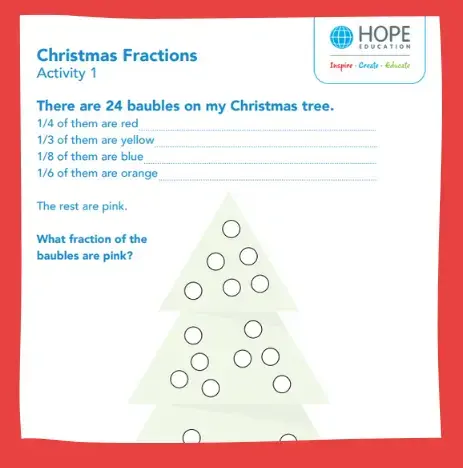
Christmas tree fractions worksheet
Add some festive cheer to your primary maths lesson with this three-tiered fractions activity - with added Christmas trees!

Multilink® Christmas Activities
Combine crucial subjects with some festive fun using Multilink®. Check out how to create these amazing Multilink® Christmas activities now!

Exciting ways to use Numberblocks in the classroom
Introduce maths in a fun way with these exciting ways to use Numberblocks. Perfect for developing children's knowledge on numbers & sums.
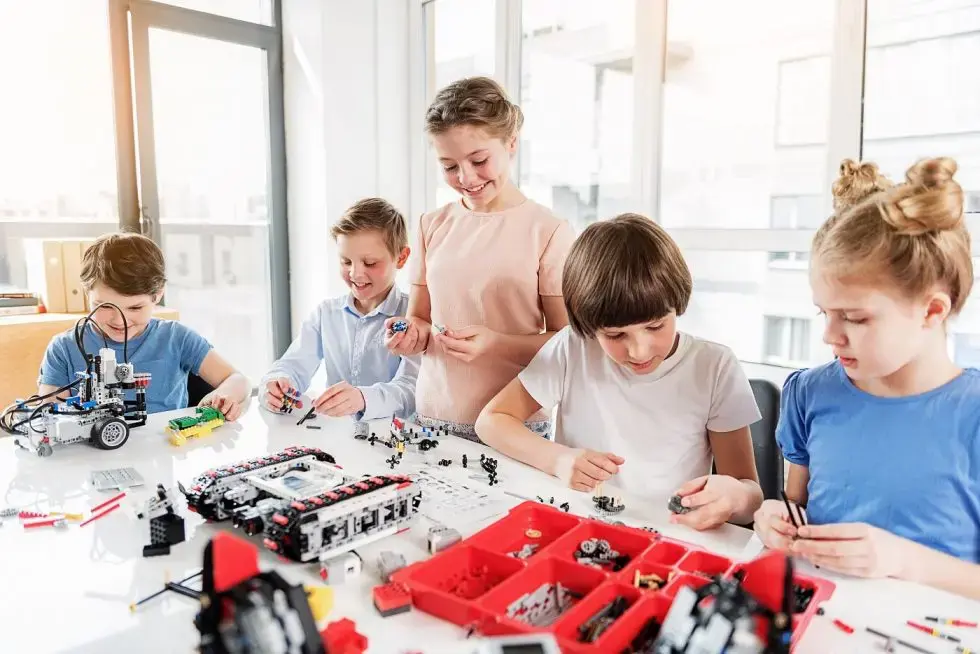
LEGO activities for maths lessons
15 ideas and activities to teach maths using Lego.
Fun and beneficial times tables activities for KS2
Incorporate fun and interactive activities into your lessons to aid times table learning.
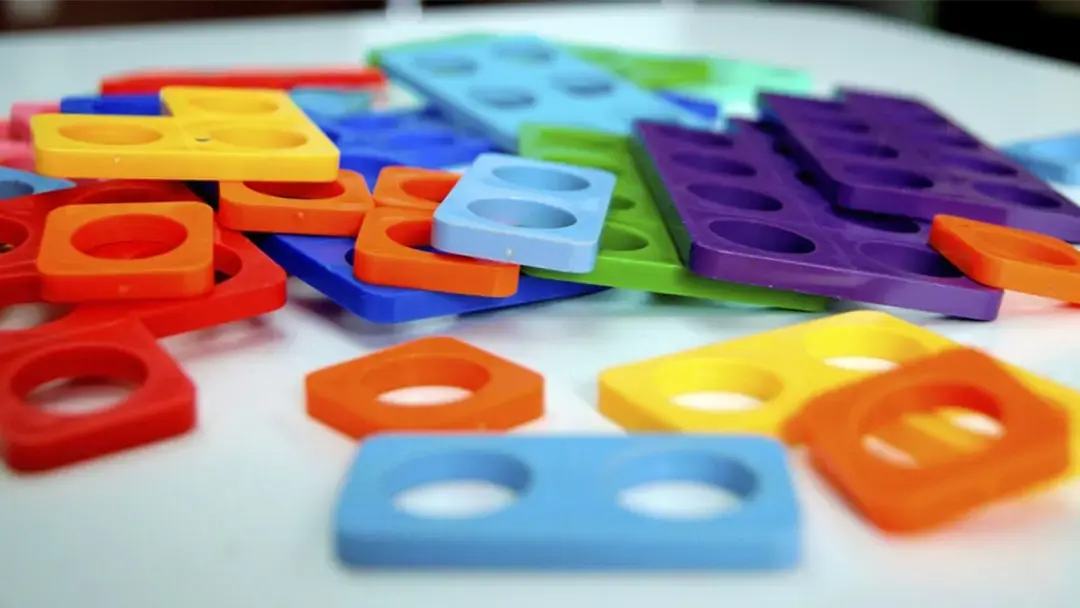
Effective Early Years Numicon Activities
Sheila O’Reilly shares with us her favourite Numicon activities for preschool and beyond.
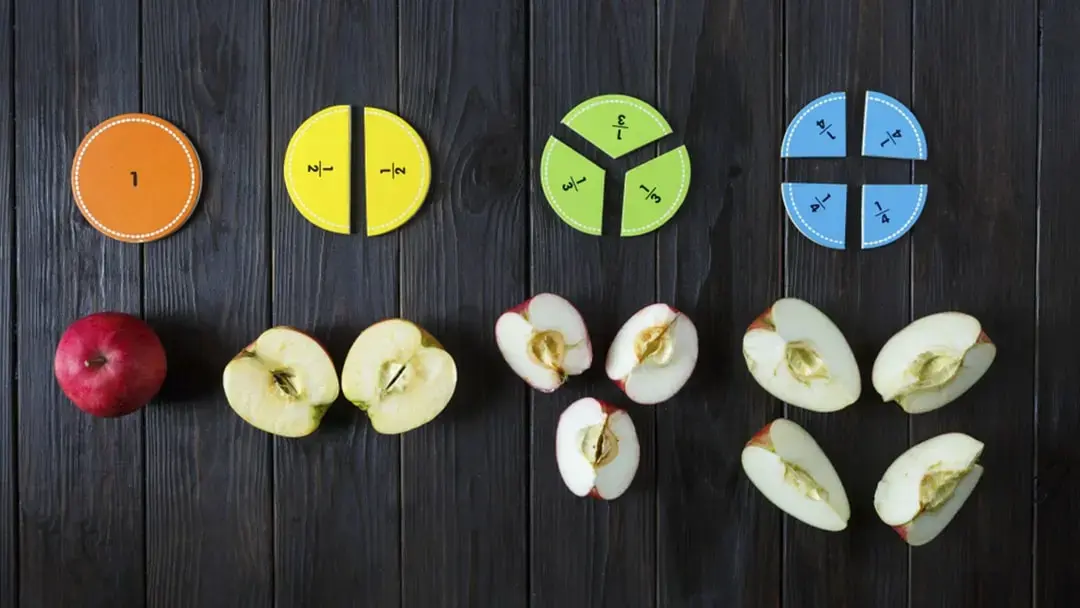
Activities for teaching fractions KS1
Guide on the fun and engaging teaching activities available to help young children learn fractions at KS1.
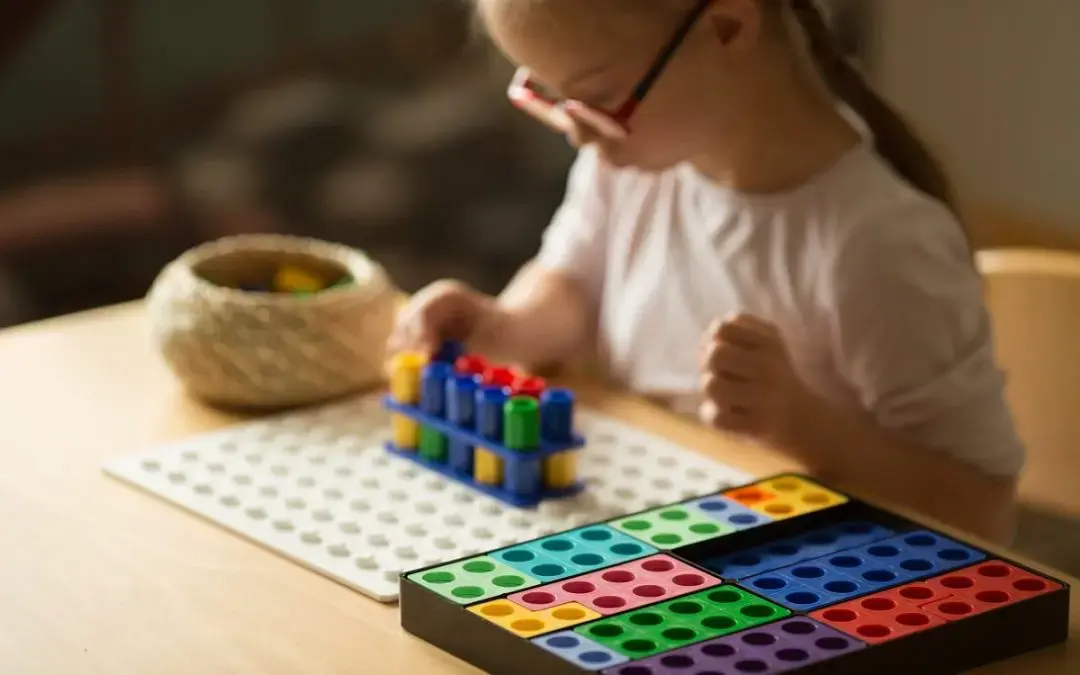
An extensive guide to Numicon
Take our guided tour of Numicon and how it can be used in the classroom.
Frequently Asked Questions
Which maths resources support learning from EYFS through primary school?
Useful resources include counters, frames, cubes, bead strings, number lines, place-value equipment, shapes, measuring tools and fraction representations. The correct choice depends on the concept, pupils’ prior understanding and the school’s curriculum.
Which manipulatives are best for number sense?
No single manipulative is best for every aspect of number. Ten frames can highlight relationships to five and ten, while number rods, bead strings and cubes may reveal composition, magnitude or calculation structures.
What is concrete–pictorial–abstract learning?
It involves connecting physical resources, visual representations and mathematical symbols. It should not be treated as a rigid sequence. Pupils may move between representations while developing or explaining an idea.
How does play support early mathematics?
Play can create meaningful contexts for counting, comparison, shape, measure and pattern. Practitioners support learning by observing, modelling mathematical language and drawing attention to important ideas without taking control of the activity.
When should pupils stop using manipulatives?
Pupils can work without a manipulative when their understanding is secure and they can reason accurately without it. Equipment should remain available when it supports a new concept, explanation or problem.