

 Editor's pick
Art and Craft Resources for EYFS and Primary Schools
The best art and craft resources give children opportunities to explore materials, develop techniques and communicate their own ideas. EYFS and primary provision may include paint, brushes, drawing tools, clay, modelling materials, collage resources and textiles. Schools should select materials according to pupils’ ages, curriculum aims, accessibility needs and the creative processes they want children to experience.
Art and Craft Categories
Which paint brushes do schools need?
Schools benefit from a selection of brushes suited to different techniques and age groups. Broad brushes are useful for large-scale painting, while round, flat and finer brushes can provide different levels of control and mark-making. Specialist brushes, rollers, sponges and alternative tools can introduce further textures and effects.
Brushes should be matched to the paint, surface and intended technique rather than assigned only by year group. Younger children may need robust handles that are comfortable to hold, while older pupils may use a broader range of shapes and sizes more precisely. Cleaning routines, drying arrangements and storage will also affect how long brushes remain usable.
How should air-dry clay be used in the classroom?
Air-dry clay can support modelling, sculpture, surface decoration and the exploration of three-dimensional form without requiring a kiln. Pupils can pinch, roll, coil, join, impress and build with the material while developing their understanding of structure and texture.
Teachers should plan how the clay will be distributed, how work will be protected while drying and whether finished pieces will be painted or sealed. Clay thickness and drying conditions can affect the result, so pupils should understand that cracking or changing shape may form part of learning about the material. Follow the manufacturer’s instructions, protect work surfaces and check suitability for the pupils using it.
How can collage support creative development?
Collage gives children opportunities to select, arrange, overlap, tear, cut and join materials. Useful resources may include paper, card offcuts, fabric, tissue, foil, yarn, natural materials and safe reclaimed items.
Practitioners and teachers can introduce relevant techniques while leaving decisions about composition, colour and material to the child. Collage should not always involve reproducing an adult example or filling a pre-drawn outline.
Materials should be organised so pupils can see and compare available choices. Schools should check reclaimed materials carefully, avoid sharp or unsuitable items and consider how different adhesives will work with the selected surfaces.
How should schools choose sketchbooks and drawing materials?
Sketchbooks should give pupils a personal space to record observations, test materials, collect references, develop ideas and review their work. They should not be treated only as presentation books containing polished final pieces.
When selecting sketchbooks, schools should consider paper weight, size, binding, durability and the materials pupils will use. Cartridge paper may suit a broader range of dry and lightly applied wet materials than thinner paper.
A useful drawing collection might include graphite pencils, coloured pencils, charcoal, chalk, oil pastels and other media selected for the curriculum. Teachers should explicitly teach pupils how different tools behave and give them opportunities to compare, combine and select materials.
What is fabric paint and how should schools use it?
Fabric paint is formulated for use on suitable textiles and can allow pupils to explore colour, pattern, print and surface design. It may be applied using brushes, printing tools, stamps or stencils, depending on the product and intended technique.
Schools should check whether the paint is suitable for the chosen fabric, whether it requires heat-setting and how tools and surfaces should be cleaned. Pupils may benefit from testing colours and techniques on spare material before working on a final piece. Aprons and surface protection should be used where appropriate. Teachers must follow the manufacturer’s instructions and consider age suitability, allergies and individual access requirements.
→ Related guide: What Is Fabric Paint and How Should Schools Use It?
How should seasonal craft be approached in schools?
Seasonal activities can introduce traditions, celebrations, materials and techniques, but they should still provide meaningful creative choices. A successful activity might focus on printing, paper construction, textiles, sculpture or colour mixing rather than requiring every pupil to copy an identical decoration.
Schools should represent celebrations accurately and sensitively, particularly when an activity relates to a religious or cultural event. Subject knowledge and appropriate context are as important as the materials.
Templates may be helpful for practising a specific process or supporting access, but they should not replace opportunities for experimentation and individual response. Finished work should reflect pupils’ decisions wherever possible.
Which materials support different art and craft techniques?
The table below provides a starting point for planning. Final choices should reflect pupils’ ages, previous experience, curriculum sequencing and individual needs.
| Material or resource | Techniques it may support | Useful considerations |
|---|---|---|
| Ready-mixed paint | Colour mixing, brush control, large-scale painting and printing. | Check washability, surface suitability and storage requirements. |
| Watercolour paint | Washes, layering, colour blending and observational work. | Suitable paper and control of water will affect the result. |
| Powder paint | Colour mixing and adjusting consistency. | Requires careful preparation, storage and clean-up. |
| Paintbrushes | Broad marks, fine lines, texture and controlled application. | Match brush size and shape to the technique and surface. |
| Graphite pencils | Line, tone, shading, observation and planning. | Provide a suitable range where different pencil grades are being taught. |
| Coloured pencils | Colour layering, detail, blending and illustration. | Pigment quality, durability and sharpening affect classroom use. |
| Charcoal and chalk | Expressive line, tone, texture and large-scale drawing. | Materials can smudge and create dust; plan surfaces and clean-up. |
| Oil pastels | Bold colour, blending, resist techniques and texture. | Consider storage and protection for finished work. |
| Air-dry clay | Pinching, coiling, joining, modelling and surface texture. | Plan drying space and follow the manufacturer’s instructions. |
| Modelling dough | Manipulation, form, texture and early tool control. | Check age suitability, ingredients and storage guidance. |
| Collage materials | Selection, arrangement, layering, cutting and joining. | Organise materials visibly and inspect reclaimed items. |
| Fabric and yarn | Weaving, stitching, printing, joining and surface design. | Consider needle and tool safety, allergies and accessibility. |
| Printing tools | Repetition, pattern, positive and negative shapes, and texture. | Demonstrate safe use and allow time to test techniques. |
| Sketchbooks | Recording, experimentation, observation and reviewing ideas. | Select paper and binding that suit the planned media. |
Curriculum Guidance & Practical Frameworks
Explore core guidance covering creative development, curriculum progression, classroom organisation, safety, and product specifications below.
1. Creative Development & EYFS / Primary Provision Overview
Which art and craft resources best support creative development in EYFS and primary schools?
Effective art provision includes materials that allow children to investigate colour, pattern, texture, line, shape, form and space. A balanced collection might include paint, brushes, pencils, charcoal, pastels, clay, modelling tools, collage materials, textiles and suitable joining resources.
The most useful materials are not necessarily those that produce the neatest finished result. Children need opportunities to experiment, make decisions, revisit ideas and develop control over time. Resources should be selected according to the children’s ages, current experience, the technique being taught and any individual access requirements. Schools should avoid relying entirely on pre-cut templates or identical adult-designed outcomes.
→ Shop all school art and craft resources
How does art and craft support EYFS Expressive Arts and Design?
Art and craft experiences can give young children opportunities to explore materials, notice changes and communicate ideas through colour, line, texture, shape and form. The EYFS places this within Expressive Arts and Design, while creative activities can also involve physical development, communication and language, mathematics and understanding the world.
Practitioners should provide regular opportunities to investigate media and tools without expecting every child to produce the same outcome. Adults can introduce vocabulary, demonstrate safe tool use and help children reflect on what they notice. Children still need ownership of their choices, ideas and representations, including the freedom to change direction during the creative process.
Related guide: How Art and Craft Supports EYFS Expressive Arts and Design
→ Explore EYFS creative resources
Which art resources support KS1 and KS2 Art and Design?
At KS1, pupils should experience a range of materials and develop techniques involving colour, pattern, texture, line, shape, form and space. Drawing, painting and sculpture should help pupils develop and share their ideas, experiences and imagination.
At KS2, pupils should develop greater control and mastery of techniques, including drawing, painting and sculpture with varied materials. Sketchbooks also become an important tool for recording observations and reviewing ideas.
Resources should therefore support progression rather than simply provide more complicated activities. Subject leaders should consider which materials and techniques pupils will encounter, how these experiences build over time and where pupils will revisit and deepen prior learning.
Related guide: Which Art Resources Support KS1 and KS2 Art and Design?
2. Curriculum Progression from EYFS to KS2
How should art provision develop from EYFS to KS2?
Progression should not mean that younger children only explore while older pupils only follow instructions. Pupils need both creative freedom and increasingly secure knowledge of materials and techniques throughout their education.
| Phase | Main focus | Possible provision |
|---|---|---|
| EYFS | Sensory exploration, manipulation, self-expression and growing confidence with materials and tools. | Large-scale painting, drawing, modelling, collage, printing and supervised textile exploration. |
| KS1 | Using materials creatively, sharing ideas and developing techniques involving colour, pattern, texture, line, shape, form and space. | Drawing, painting, sculpture, printmaking, collage, textiles and artist-informed projects. |
| Lower KS2 | Building control, making informed choices and developing ideas through observation and experimentation. | Sketchbook work, drawing, painting, sculpture, print, textiles and mixed media. |
| Upper KS2 | Improving mastery, reviewing ideas and using practical, theoretical and disciplinary knowledge with greater independence. | Sustained projects, purposeful sketchbook use, material comparison and critical discussion. |
3. Practical Setup, Organisation & Safety Guidance
How should art and craft resources be organised?
Organise resources by material or technique: Group related resources so teachers and pupils can locate them easily. Paint, brushes, drawing materials, collage, textiles and modelling resources may require different storage conditions.
Support independent access where appropriate: Use child-height shelving, labelled drawers, transparent containers and picture labels where these help pupils select and return resources safely.
Separate wet and dry materials: Store paint, inks, adhesives and modelling materials away from paper, sketchbooks and dry drawing media where leaks or moisture could cause damage.
Create a drying and work-in-progress area: Plan where wet artwork, clay pieces and unfinished projects will be kept. Work should be labelled clearly without taking over surfaces needed for other lessons.
Keep tools maintained: Wash and reshape brushes, replace damaged scissors, sharpen pencils appropriately and check modelling tools regularly. Follow the manufacturer’s care instructions.
Retain useful offcuts carefully: Paper, card, fabric and yarn offcuts can support creative choices, but storage should remain manageable. Remove damaged, dirty or unsuitable reclaimed materials.
Plan distribution and collection: Use table caddies, trays or labelled resource boxes to reduce waiting and help pupils take responsibility for equipment.
How should schools manage supervision, safety and clean-up?
Check age suitability: Follow manufacturer guidance and consider pupils’ developmental stages and individual needs. Some tools and small components will require closer supervision.
Complete appropriate risk assessment: Schools should assess tools, materials and processes according to their own policies, pupils and learning environment.
Check ingredients and allergies: Review product information before using paints, modelling materials, adhesives or textiles. Consider known allergies and sensitivities within the class.
Protect clothing and surfaces: Use aprons, table coverings and washable surfaces where appropriate. Make expectations for tool use and movement around the room clear.
Establish clean-up routines: Teach pupils how to return tools, wash brushes, close containers and dispose of waste responsibly. Allocate enough lesson time for cleaning rather than treating it as an afterthought.
Store materials securely: Keep resources requiring adult supervision in suitable secure storage while allowing independent access to materials that pupils can use safely.
4. Hope Education Range Spotlight & Selection Criteria
Hope Education art and craft resources
Hope Education provides art and craft materials for early years settings and primary schools, including paint, brushes, drawing media, modelling materials, collage resources, textiles and seasonal craft supplies.
When selecting resources, consider:
- The intended technique
- Pupils’ ages and previous experience
- EYFS or curriculum aims
- Opportunities for experimentation
- Ease of handling and control
- SEND and accessibility requirements
- Indoor or outdoor use
- Washability and clean-up
- Storage and shelf life
- Manufacturer age and safety guidance
- The durability required for school use
- Whether the resource supports individual creative choices
Resources should be compared according to classroom technique, age suitability and creative outcome—not specifications or purchase price alone.
Featured articles

More Art & Craft Guides, Downloadable Checklist & Related Hubs
Featured art and craft guides
How Art and Craft Supports EYFS Expressive Arts and Design
Explore how varied materials and creative experiences can support imagination, self-expression and children’s growing control of tools.
Read the full guide →Types of Paint for EYFS and Primary School: What's Suitable?
Compare brush sizes and shapes according to the marks, surfaces and painting techniques pupils will explore.
Read the full guide →Safe Scissors for EYFS and KS1 Children: A Practical Buying Guide
Plan classroom clay activities, from preparation and modelling techniques to drying, storage and finishing.
Read the full guide →More art and craft guidance
Seasonal craft
- Bringing Autumn Into the Classroom
- Recycled Christmas Crafting
- Classroom Craft: Make Your Own Christmas Stocking
- Classroom Craft: Stained Glass Decorations
Art and Craft Provision Checklist for EYFS and Primary Schools
Use this checklist to plan, organise or review art and craft provision across an early years setting or primary school.
Related Hope Education hubs
Follow Hope Education
Follow Hope Education for creative teaching ideas, curriculum guidance and practical support for UK early years settings and primary schools.
Ready to order? Browse the full art and craft range with free next-day delivery on orders over £40.
Shop art and craft resources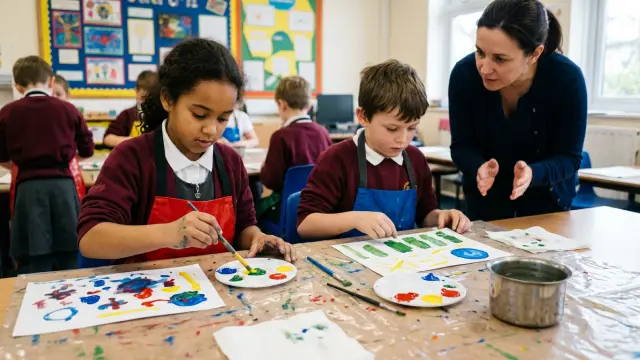
How to Support the KS1 and KS2 Art Curriculum
You can support the KS1 and KS2 art curriculum by giving pupils time to explore ideas, practise techniques, learn about artists and make increasingly purposeful choices. Effective provision combines regular drawing with painting, sculpture and other media, plus time to evaluate and improve. Hope Education resources can help schools build this progression without reducing art to identical finished products.
Carla Bonner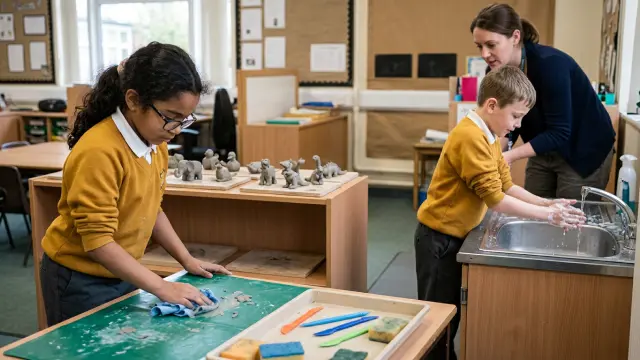
What is air-drying clay and is it safe for primary schools?
Air-drying clay is a modelling material that hardens through exposure to air rather than kiln firing. It can be suitable for primary schools when staff choose an age-appropriate product, follow its instructions and control dust, hygiene and tool risks. Schools should assess the exact material and activity; “air-drying” alone does not guarantee that every product is suitable.
Carla Bonner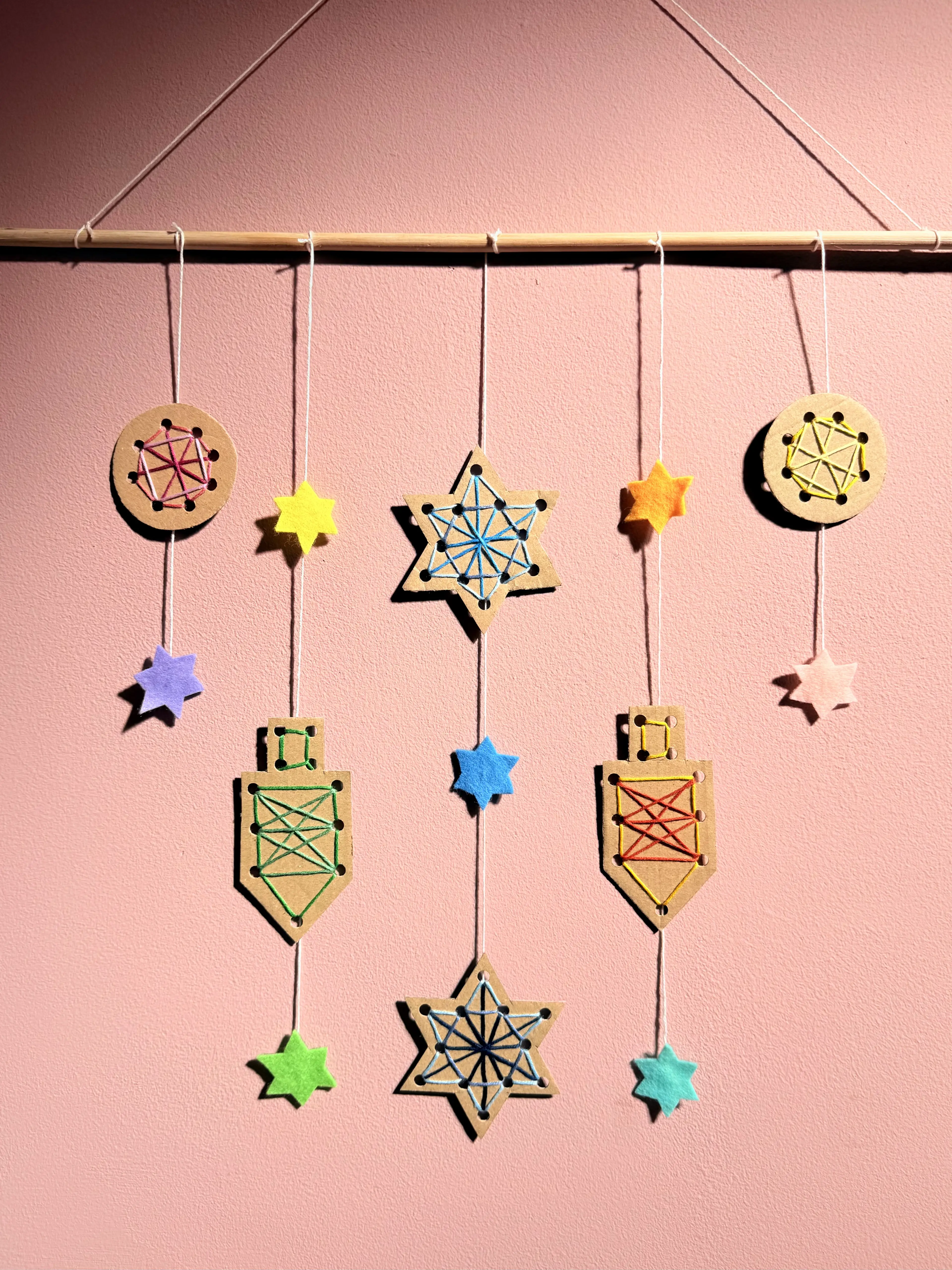
Festival crafts: A Hanukkah Mobile
Looking for a simple, creative way to explore Hanukkah with the children? This lovely craft from Sharon at Crafted by Bears is a great one to try together.
Cecilia Drummond-Roe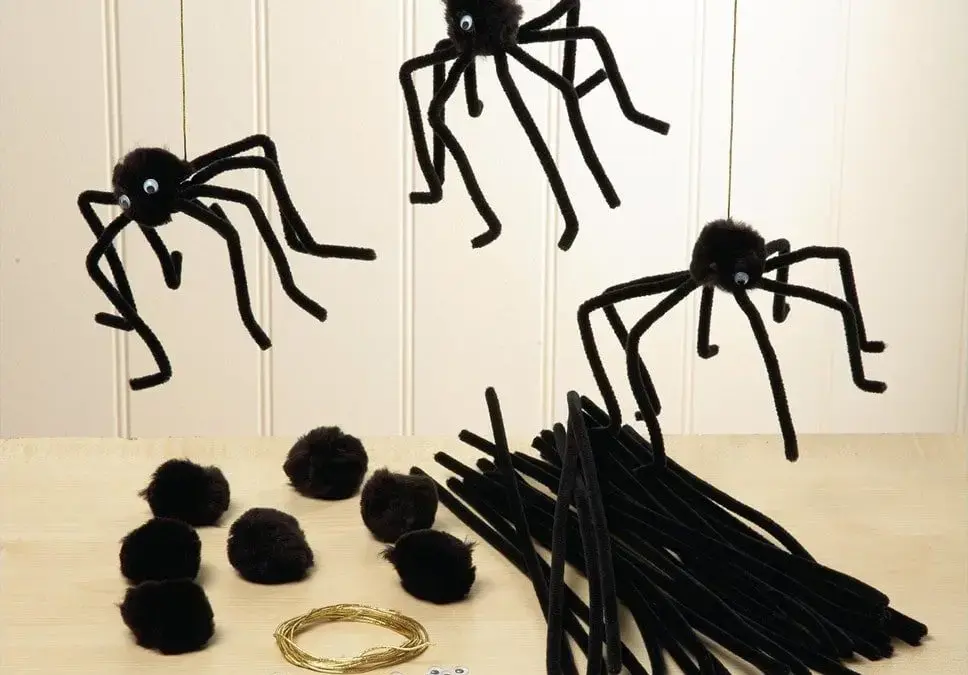
How to make easy pipe cleaner spiders
A simple but spooky solution for a school craft session - pipe cleaner spiders.
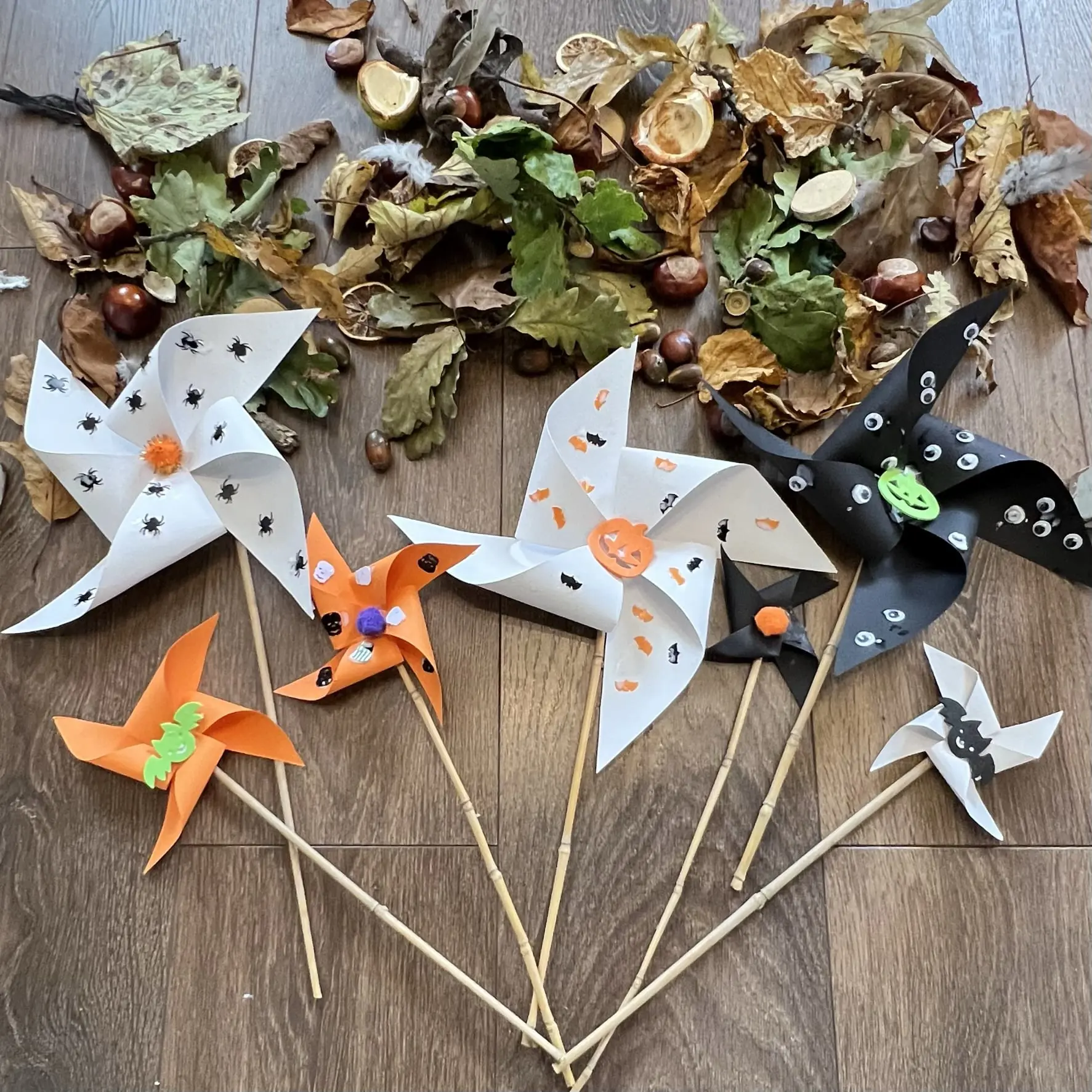
Halloween Craft – Creepy Pinwheel
We've teamed up with an influencer to create a Halloween pinwheel craft perfect for Halloween parties or decorations!
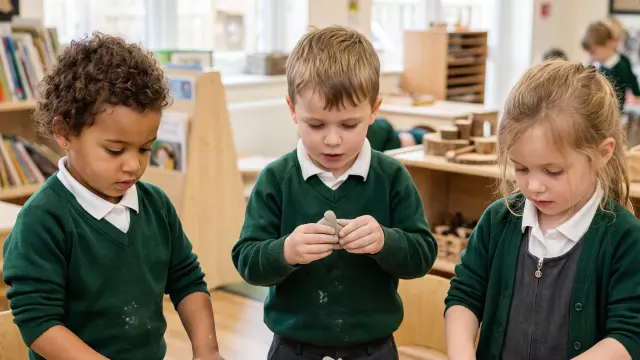
How Clay and Playdough Support Child Development in EYFS
Clay and playdough support child development by strengthening hand control, encouraging creative thinking and giving children a responsive material they can transform through touch. In EYFS provision, squeezing, rolling, pinching, joining and modelling can contribute to Physical Development and Expressive Arts and Design while also creating valuable opportunities for language, collaboration and imaginative play.
Emma Davies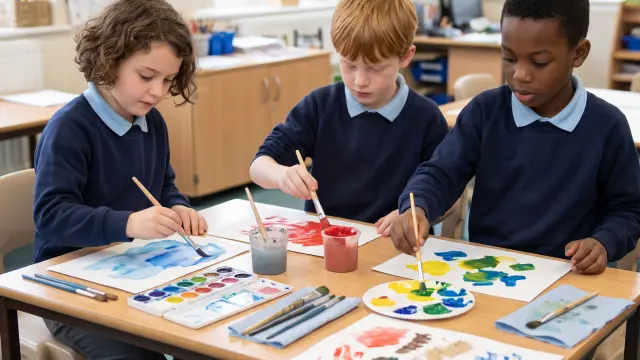
Types of Paint for EYFS and Primary School: What’s Suitable?
The most suitable paint depends on the children’s age, the technique being taught and the surface being used. Ready-mixed paint is a practical everyday choice for EYFS, while watercolours, powder paint, acrylic paint and specialist paints support different learning in primary art. Every product should be age-appropriate, correctly labelled and used with suitable supervision.
Rachel Lowe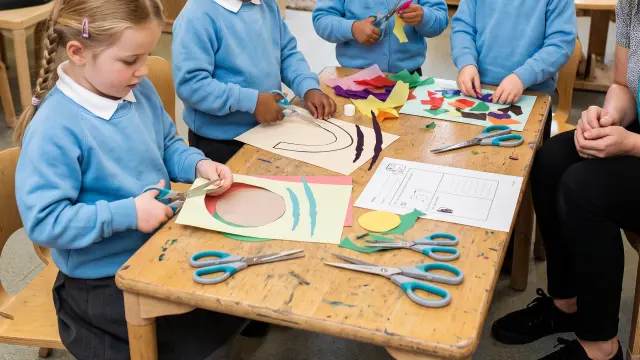
Safe Scissors for EYFS and KS1 Children: A Practical Buying Guide
The safest scissors for EYFS and Key Stage 1 children are appropriately sized, comfortable to hold and matched to each child’s developmental stage. Rounded tips, short blades and supportive handles can help reduce risk, but effective supervision and explicit teaching remain essential. Children also need scissors that cut successfully, allowing them to develop control, confidence and independence.
Jack Clarke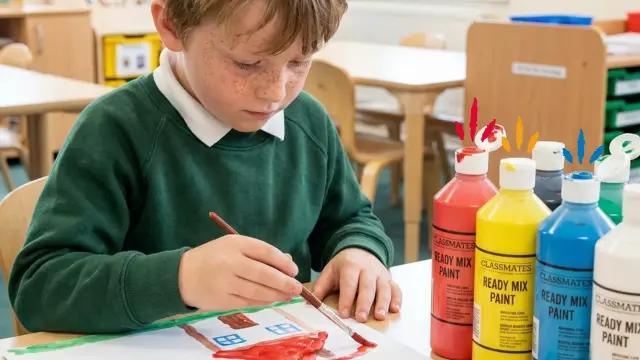
How Art and Craft Supports EYFS Expressive Arts and Design
Art and craft supports EYFS Expressive Arts and Design by giving children purposeful opportunities to explore materials, communicate ideas and develop their creativity. Through drawing, painting, modelling, printing and collage, children can investigate colour, texture, form and function while strengthening the physical, language and thinking skills that underpin learning across the Early Years curriculum.
Jack Clarke
Strategies and tips for effective intervention in the classroom
Within this teacher's guide, you’ll find a whole host of tips, advice and techniques for planning and implementing the perfect intervention strategy for any subject.

How to make a 3D hot air balloon
Take your pupils up, up and away with this hot air balloon craft, perfect for crafty afternoons. You can use the link below to get the materials needed to make this simple and fun homemade hot air balloon.

World War 1 lesson resources
It’s been well over 100 years now since Britain’s involvement in the Great War, but we still come together to commemorate those that fought for their country. In preparation for Remembrance Day, we’ve pulled together some resources that are perfect for a lesson...
Frequently Asked Questions
Which art and craft resources best support creative development?
Useful provision may include paint, brushes, pencils, pastels, charcoal, clay, modelling tools, collage materials, textiles and sketchbooks. The most suitable resources depend on pupils’ ages, prior experience, curriculum aims, individual needs and the techniques being taught.
How does art and craft support EYFS Expressive Arts and Design?
Art and craft experiences give children opportunities to explore materials, use tools, express ideas and develop imagination. Practitioners should offer regular exploration without expecting every child to produce an identical finished result.
Which paint brushes do primary schools need?
Schools benefit from broad, round, flat and finer brushes for different surfaces and techniques. Choices should be based on the type of paint, intended marks, pupils’ ages and the level of control required.
Can air-dry clay be used in primary schools?
Yes. Air-dry clay can be used for modelling and sculpture without a kiln. Schools should follow the manufacturer’s instructions, protect surfaces, plan suitable drying space and teach pupils how to join and handle the material.
What should primary schools look for in a sketchbook?
Consider paper weight, size, binding, durability and the media pupils will use. Sketchbooks should support observation, experimentation, idea development and reflection rather than contain only polished final work.