

 Editor's pick
Paper, Card and Classroom Display Resources: A Guide for EYFS and Primary Schools
EYFS and primary classrooms need paper, card and display resources suited to everyday learning, creative work, mounting and classroom organisation. A practical range may include copier paper, drawing paper, coloured paper, card, display backing, borders and mounting materials. Schools should choose formats and weights according to purpose, accessibility, available storage and equipment compatibility.
Explore paper, card and classroom display resources
What paper sizes and types do primary classrooms need?
A4 is the most commonly used classroom paper size and is suitable for printing, worksheets, drawing and general written work. A3 provides more space for posters, diagrams, group work and larger creative activities. A2 and larger sheets may be useful for collaborative work, displays and large-scale mark-making.
→ Related Guides: What Paper Sizes and Types Do Primary Classrooms Need? • Explore classroom paper • Explore drawing and creative paper
Which backing paper and borders should schools choose?
Backing paper should create a clear surface for pupils’ work, key information or teaching prompts. Colour can help define a display, but highly patterned backgrounds or too many competing colours may make content harder to read.
→ Related Guide: Which Backing Paper and Borders Should Schools Choose?
How can classroom displays support learning?
A classroom display should have a clear purpose. It might celebrate pupils’ work, provide a reference point, introduce key vocabulary, support routines or show how learning has developed over time.
→ Related Guide: How Can Classroom Displays Support Learning?
How should paper and card be stored for independent access?
Paper and card should be stored flat, dry and protected from damage wherever possible. Clearly labelled shelves, drawers, paper racks and mobile storage units can help staff and pupils locate the correct material without disturbing the rest of the stock.
→ Related Guides: How Should Paper and Card Be Stored for Independent Access? • Explore classroom storage solutions • Explore paper storage
What paper and card formats suit different classroom uses?
| Format or material | Typical classroom uses | Points to consider |
|---|---|---|
| A4 copier paper | Printing, photocopying, worksheets, writing and everyday drawing. | Check printer compatibility, opacity and whether duplex printing is required. |
| A3 paper | Posters, diagrams, paired work, larger drawing and folded activities. | Requires suitable storage and compatible printing equipment where printing is needed. |
| A2 and larger paper | Collaborative work, floor drawing, displays and large-scale planning. | Plan flat or roll storage and enough working space. |
| Cartridge or drawing paper | Drawing, sketching, colouring and some lightly applied wet media. | Choose weight and surface according to the materials being used. |
| Sugar paper | Drawing, collage, cutting, backing and classroom activities. | Lighter sheets may not withstand heavy wet media or repeated handling. |
| Coloured paper | Sorting, printing, classroom organisation and visual differentiation. | Ensure text remains readable and colour is not the only way information is communicated. |
| Lightweight card | Printing, folding, labels, cards and simple construction. | Confirm printer compatibility and whether greater rigidity is required. |
| Medium-weight card | Mounting, models, signs, templates and durable classroom resources. | Consider cutting requirements and storage space. |
| Heavy card or board | Firm backing, display headings, construction and reusable resources. | May require adult cutting tools and may not be suitable for printers. |
| Display backing paper | Covering boards and creating a consistent display background. | Measure the board before ordering and consider contrast and visual clutter. |
| Mounting paper or card | Framing pupils’ work and adding contrast between work and backing. | Use consistent margins and avoid excessive layers that distract from the work. |
| Tissue and lightweight decorative paper | Collage, layering and selected craft activities. | Store carefully to prevent creasing and link creative uses to the Art & Craft hub. |
Classroom Display Planning Checklist
Use this checklist to plan, create and review displays in EYFS and primary classrooms PDF Free download
Featured articles

Ready to order? Browse the full paper, card and display range with free next-day delivery on orders over £40.
Shop paper and display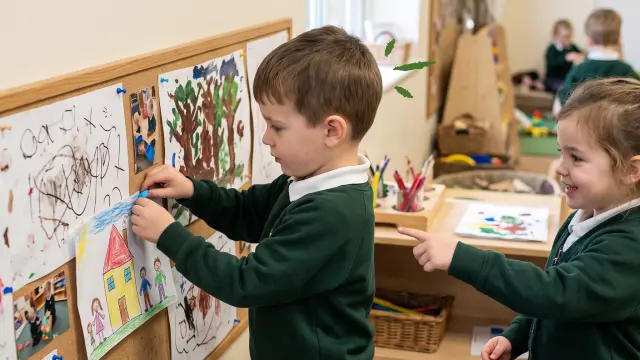
How Classroom Display Supports Learning in EYFS
Classroom displays support learning in EYFS when they reflect children’s ideas, make important language visible and help children revisit shared experiences. The most effective displays are not simply decorative or created entirely by adults. They grow alongside the children, celebrate meaningful learning and contribute to an enabling environment in which every child feels recognised, capable and included.
Carla Bonner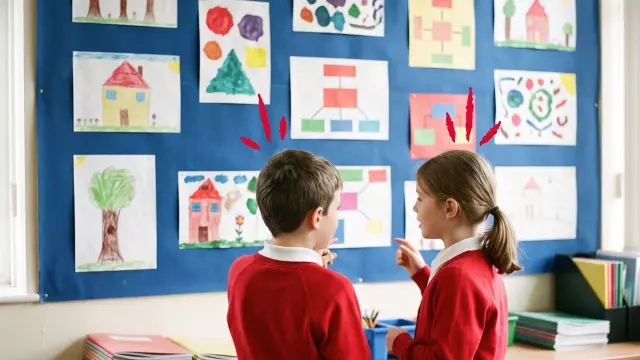
Backing Paper for Primary Schools: A Classroom Display Guide
Backing paper provides a clear foundation for classroom displays, helping pupils focus on the work, vocabulary and learning prompts that matter. The most effective choice is not always the brightest or most decorative. Durable paper, thoughtful colour choices and uncluttered layouts can help teachers create purposeful displays that support learning without increasing workload or overwhelming the classroom environment.
Carla Bonner
Top tips for creating display boards
Top tips for creating display boards If you follow our Instagram account you’ve probably seen our reels with Display Lady. Lois of Display Lady is a former primary school teacher and shares her passion for creating beautiful display boards. Check some out here.

Winter classroom display ideas
Winter is the perfect time to create different engaging displays children will love. Be inspired with our winter classroom display ideas & try them out here.

27 Classroom Decoration Ideas to make your Classroom Sparkle
Inject some fun into everyday learning with these classroom decoration ideas.
Frequently Asked Questions
What paper, card and display resources do primary classrooms need?
Most classrooms use A4 and A3 paper, drawing paper, coloured paper, lightweight and medium-weight card, display backing, borders and mounting materials. The exact selection depends on teaching activities, equipment compatibility, storage and display requirements.
What paper sizes do primary schools use?
A4 is commonly used for printing, worksheets and everyday activities. A3 is useful for posters, diagrams and larger creative work. A2 and larger sheets may be needed for displays, collaborative activities and large-scale mark-making.
What card weight is suitable for classroom activities?
Lightweight card may suit printing, folding and simple construction. Medium-weight card can work well for mounting, models and durable resources. Heavier board is useful where greater rigidity is required. Always check equipment compatibility.
How can classroom displays support learning?
Displays can provide useful prompts, introduce vocabulary, celebrate pupils’ work and show how learning develops. They should have a clear purpose, use accessible text and contrast, and avoid unnecessary visual clutter.
How should schools store paper and card?
Store paper and card flat, dry and clearly labelled. Use racks, drawers or shelves suited to different sizes. Keep everyday materials accessible where appropriate and store specialist stock and heavier packs separately.
Stay connected with Hope Early Years
Follow Hope Early Years for practical early years ideas, product inspiration, nursery procurement guidance and the latest education news.