
Sleep Mats and Rest Equipment for Nurseries: A Buying Guide
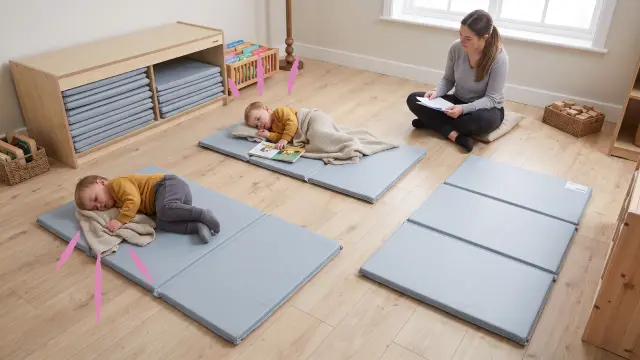
The right nursery sleep equipment should provide every child with a safe, comfortable and hygienic place to rest. Babies require an age-appropriate cot and safer-sleep arrangements, while suitable sleep mats or low beds may support older children. Nursery managers should prioritise safety, individual needs, cleanability, storage and effective supervision rather than choosing on price alone.
Adelle Whitfield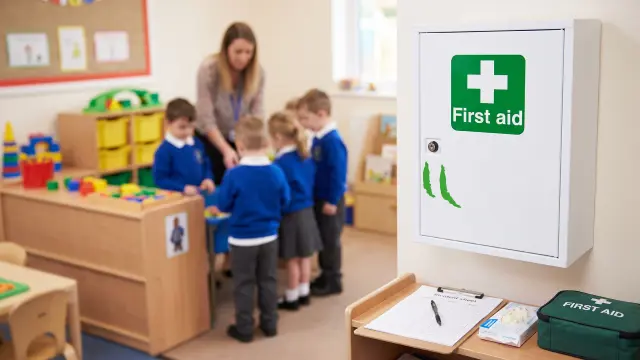
First Aid Supplies for EYFS Settings: A Compliance Guide
EYFS settings must always have an accessible first aid box containing appropriate items for children. There is no single statutory contents list for every nursery, so supplies should be selected through a first aid needs assessment. Effective provision also depends on trained practitioners, reliable stock checks and clear procedures that work across rooms, outdoor spaces, mealtimes and outings.
Adelle Whitfield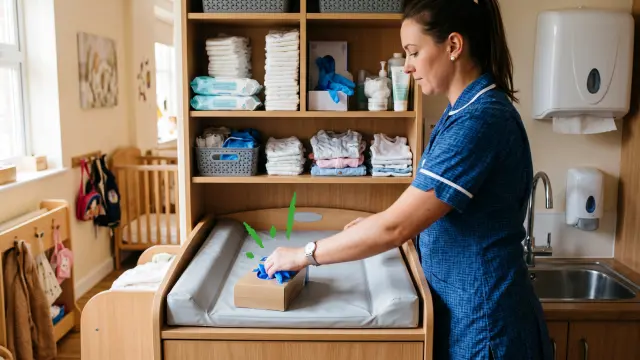
Changing Facilities and Equipment for Nurseries: What’s Needed?
Safe, hygienic and well-organised changing facilities are an essential part of high-quality nursery provision. In Early Years settings, changing areas must support children’s health, comfort, dignity and wellbeing while enabling practitioners to follow effective hygiene procedures. Appropriate equipment, clear routines and compliance with the EYFS Statutory Framework help create safe environments where children’s care needs are met consistently and respectfully.
Natalie McMunn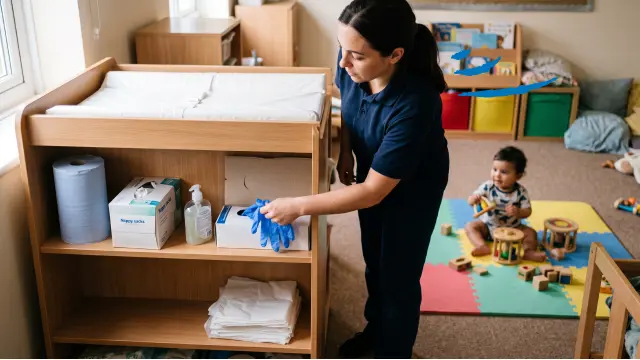
Hygiene Consumables for Nurseries and Baby Rooms: What You Need
Hygiene consumables are essential in nursery and baby room environments because they help maintain safe, clean and healthy spaces for babies and young children. Effective hygiene practices support children's wellbeing, reduce the spread of infection and help settings meet safeguarding and welfare requirements. Having the right consumables available ensures practitioners can respond quickly to daily care routines while maintaining high standards of cleanliness and safety.
Adelle Whitfield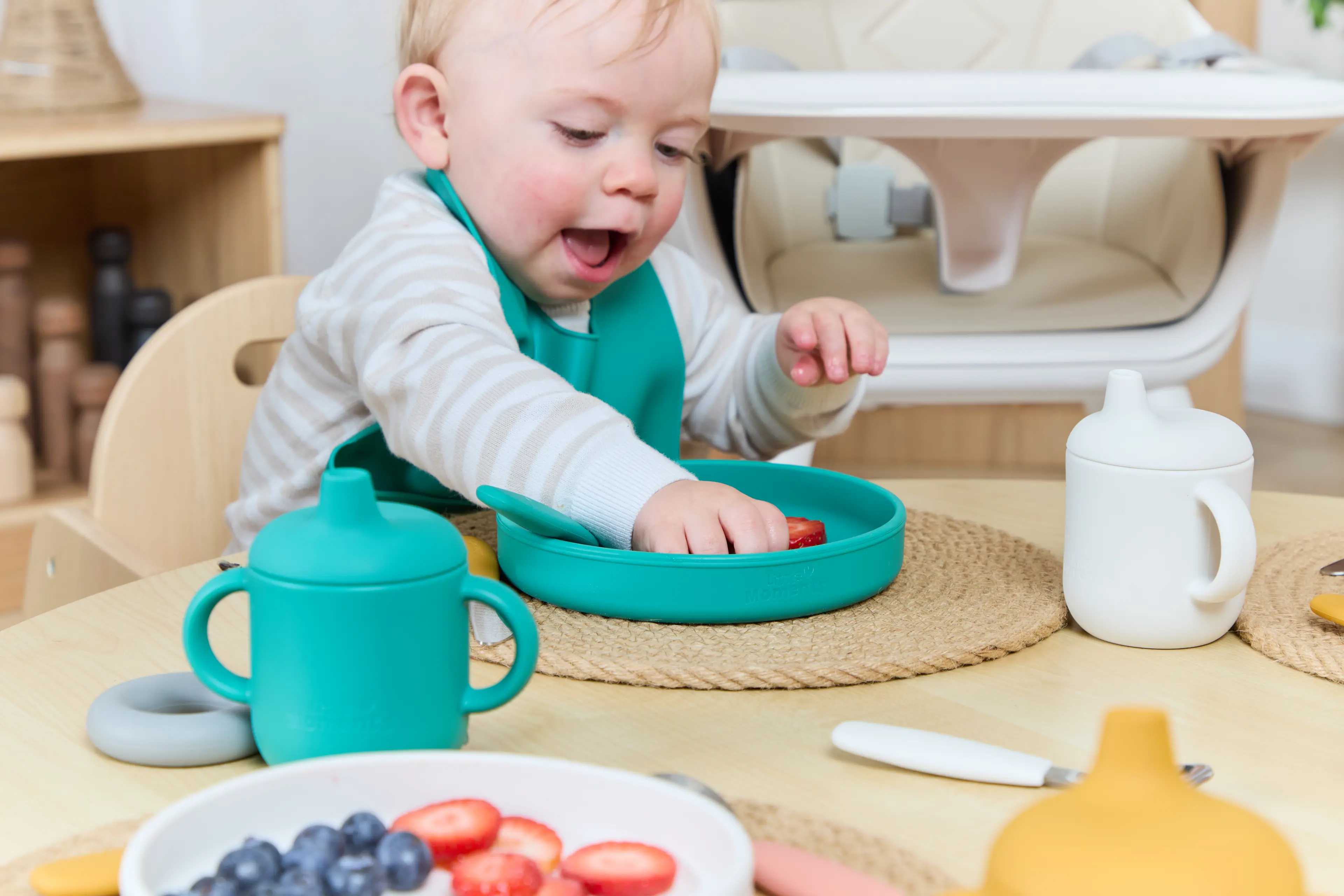
Nourishing the Next Generation: Healthy Eating for Birth to Five-Year-Olds
Healthy eating routines established from birth to age five lay the foundations for lifetime wellness.
Emalee Caton
Early Years Funding and Wage Challenges in 2025
Rising wages and unspent local funds put early years settings under strain. Findel examines how providers can adapt.
Frequently Asked Questions
What hygiene and changing essentials does a nursery baby room need?
A baby room usually needs suitable changing facilities, nappies, wipes, disposal bags, handwashing supplies, a suitable nappy bin, approved cleaning products, spare clothing and individually labelled care products. Exact requirements depend on children’s needs and nursery procedures.
What should nurseries look for in a nappy bin?
Consider capacity, hands-free operation, odour containment, cleanability, refill availability, ongoing costs and compatibility with local waste arrangements. The bin should be securely positioned away from children and food areas.
How should nurseries prevent cross-infection during nappy changing?
Use a designated changing area, prepare supplies in advance, follow protective-equipment procedures, dispose of waste correctly, clean the surface and wash and dry hands after every change. Personal creams and lotions should be labelled and not shared.
What feeding equipment does a nursery baby room need?
Provision may include bottles, cups, bowls, plates, bibs and age-appropriate utensils. Settings must follow current food-safety, safer-eating and allergy procedures, as well as each child’s individual feeding information.
Stay connected with Hope Early Years
Follow Hope Early Years for practical early years ideas, product inspiration, nursery procurement guidance and the latest education news.