
Hope Blog
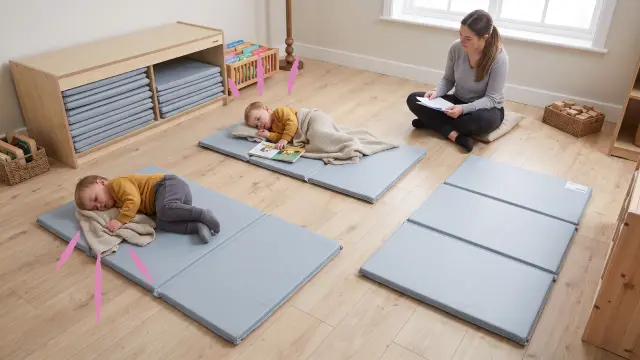
Sleep Mats and Rest Equipment for Nurseries: A Buying Guide
The right nursery sleep equipment should provide every child with a safe, comfortable and hygienic place to rest. Babies require an age-appropriate cot and safer-sleep arrangements, while suitable sleep mats or low beds may support older children. Nursery managers should prioritise safety, individual needs, cleanability, storage and effective supervision rather than choosing on price alone.
Adelle Whitfield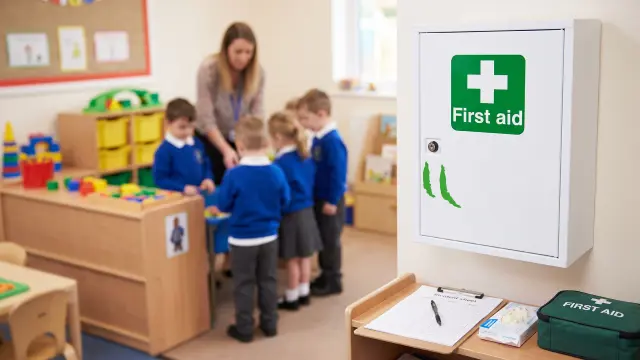
First Aid Supplies for EYFS Settings: A Compliance Guide
EYFS settings must always have an accessible first aid box containing appropriate items for children. There is no single statutory contents list for every nursery, so supplies should be selected through a first aid needs assessment. Effective provision also depends on trained practitioners, reliable stock checks and clear procedures that work across rooms, outdoor spaces, mealtimes and outings.
Adelle Whitfield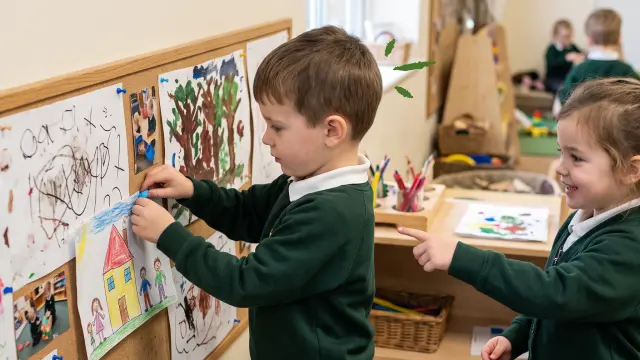
How Classroom Display Supports Learning in EYFS
Classroom displays support learning in EYFS when they reflect children’s ideas, make important language visible and help children revisit shared experiences. The most effective displays are not simply decorative or created entirely by adults. They grow alongside the children, celebrate meaningful learning and contribute to an enabling environment in which every child feels recognised, capable and included.
Carla Bonner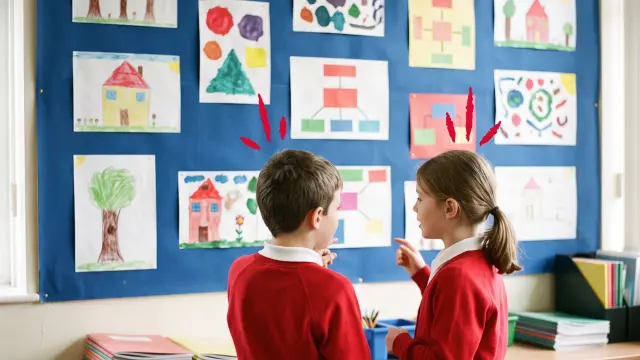
Backing Paper for Primary Schools: A Classroom Display Guide
Backing paper provides a clear foundation for classroom displays, helping pupils focus on the work, vocabulary and learning prompts that matter. The most effective choice is not always the brightest or most decorative. Durable paper, thoughtful colour choices and uncluttered layouts can help teachers create purposeful displays that support learning without increasing workload or overwhelming the classroom environment.
Carla Bonner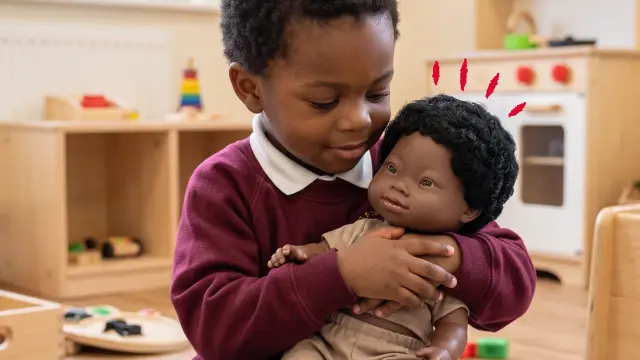
Dolls and Figures That Promote Diversity and Inclusion in EYFS
Diverse dolls and figures help children see themselves, their families and their communities represented in everyday play. A thoughtfully chosen collection can support belonging, empathy, communication and positive attitudes towards difference. In EYFS provision, these resources are most effective when they are available throughout the year and embedded naturally within meaningful, child-led play.
Adelle Whitfield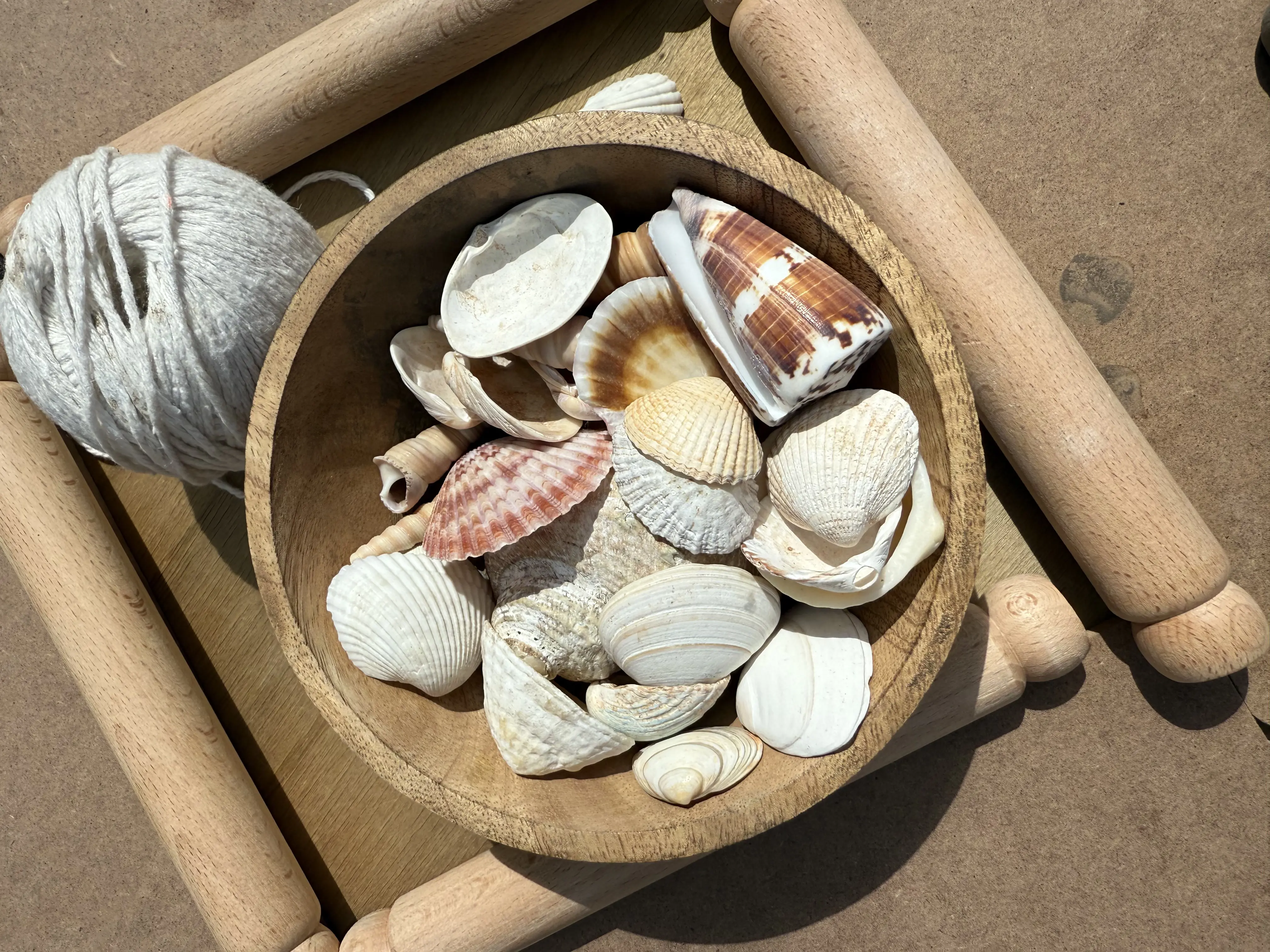
3 Sensory Play Activities for Early Years: Part 2
Simple activities like summer water play, ice painting, and creating seashell necklaces encourage children to explore textures, colors, and physical changes while driving curiosity, creativity, and self-led discovery aligned with EYFS development goals.
Katie Taylor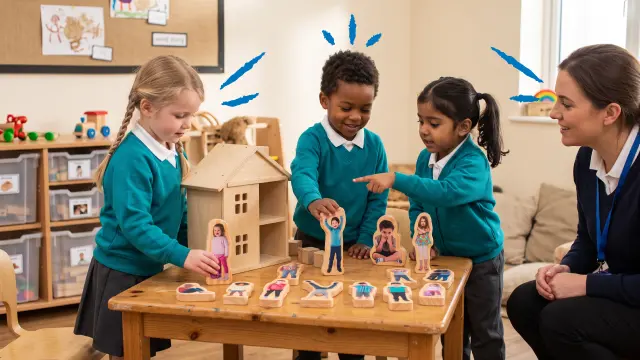
Resources That Help Children Understand Emotions in EYFS
Resources can help children understand emotions by making feelings easier to recognise, name, discuss and express. In the EYFS, stories, puppets, mirrors, emotion cards and role play can all support Personal, Social and Emotional Development. These resources work best alongside warm relationships, sensitive conversations and adults who help children manage feelings without judgement.
Carla Bonner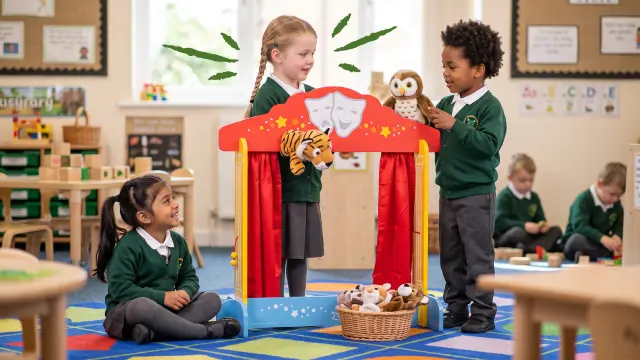
How Role Play Supports Child Development in EYFS
Role play supports child development by giving children meaningful opportunities to communicate, cooperate, imagine and make sense of their experiences. In the EYFS, well-planned pretend play can strengthen personal, social and emotional development, language, creativity and early literacy. Its value lies in children actively exploring ideas, relationships and familiar situations through play.
Carla Bonner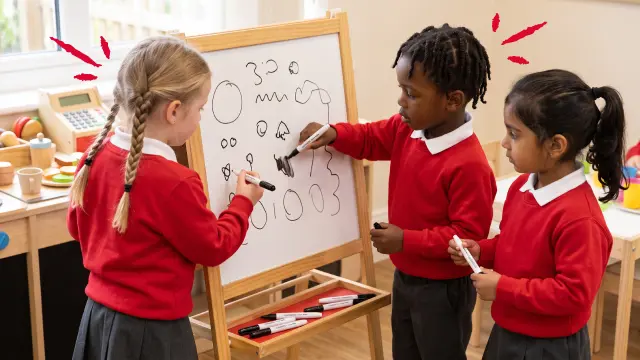
How Whiteboard Pens Support Early Mark-Making in EYFS
Whiteboard pens support early mark-making by giving children a responsive, wipe-clean way to draw, write, experiment and try again. When used with suitable whiteboards, they can build confidence, develop controlled movement and support early literacy, phonics and creative expression. Their greatest value comes when children use them purposefully across play and continuous provision.
Natalie McMunn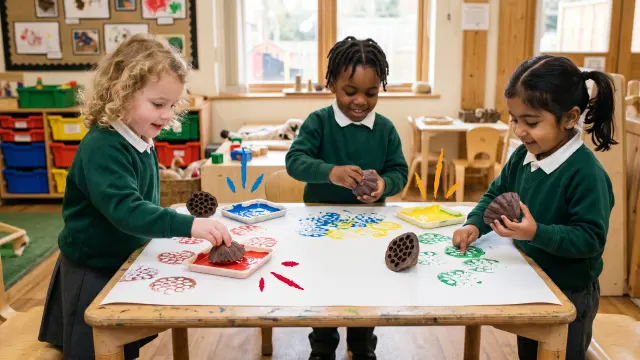
How Mark-Making in EYFS Supports Early Writing Skills
Mark-making supports early writing by helping children understand that movements can create visible marks and that those marks can carry meaning. Through drawing, painting, scribbling, pattern-making and pretend writing, children develop the physical control, language, confidence and symbolic understanding needed to move towards letter formation, spelling and purposeful written communication.
Natalie McMunn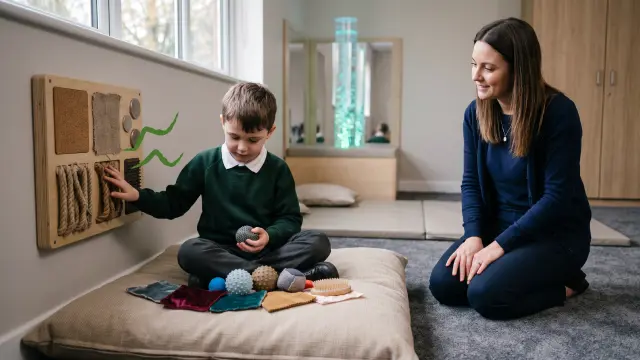
How to Set Up a Sensory Room in a Primary School
A primary school sensory room should be a carefully planned space that helps identified pupils regulate sensory input and return to learning. Begin with pupils’ needs, professional advice and clear intended outcomes before choosing equipment. The most effective rooms are safe, uncluttered, supervised and adaptable, rather than filled with as many sensory products as possible.
Natalie McMunn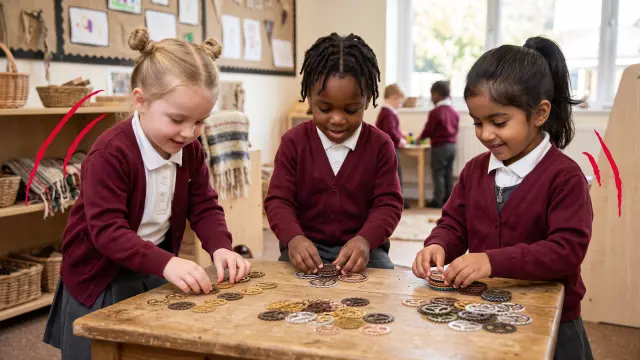
Loose Parts Play in EYFS: What It Is and How to Use It
Loose parts play gives children open-ended materials that they can move, combine, arrange, redesign and use in many different ways. From wooden discs and pebbles to tubes, blocks and fabric, loose parts encourage children to follow their ideas, solve problems and create their own play without being restricted to one predetermined outcome.
Adelle Whitfield