
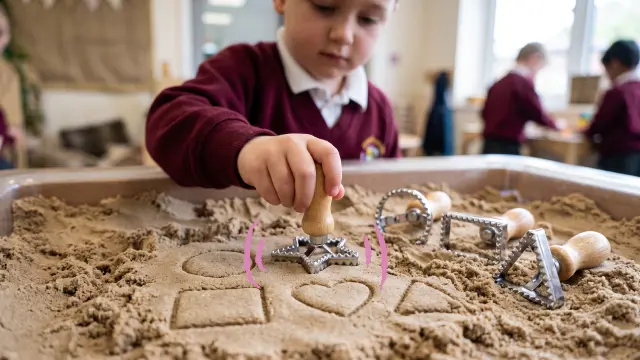
How Sand Play Supports the Seven EYFS Areas of Learning
Sand play can support all seven areas of learning in the EYFS by giving children a practical, open-ended way to communicate, collaborate, investigate, create and solve problems. With thoughtful adult interaction and carefully chosen resources, a familiar sand area can become purposeful continuous provision that responds to children’s interests and supports development across the whole curriculum.
Carla Bonner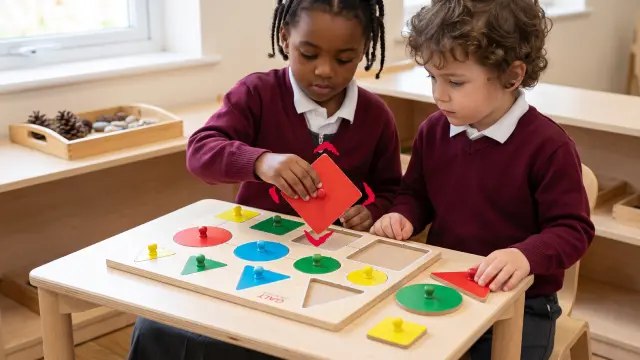
How Play-Based Learning Supports Early Maths in EYFS
Play-based learning supports early maths by giving children meaningful opportunities to count, compare, sort, build, measure and notice patterns. Through carefully planned play, children can handle mathematical ideas, test their thinking and explain what they observe. Skilled practitioners strengthen this learning by choosing purposeful resources, modelling precise language and knowing when to join, extend or observe play.
Natalie McMunn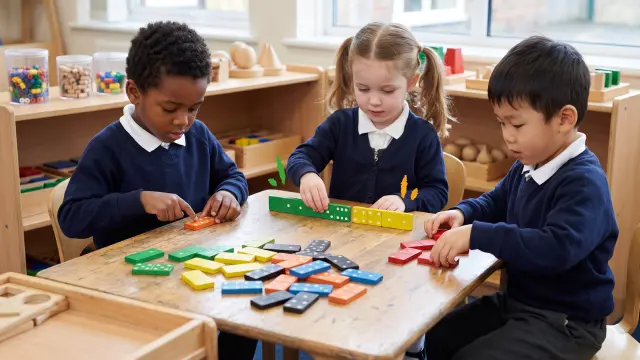
Maths Resources for EYFS: A Practical Buying Guide
The best EYFS maths resources help children explore number, pattern, shape, space and measure through meaningful play. Settings need a carefully chosen range of manipulatives, everyday objects, games and open-ended materials rather than shelves filled with similar products. Resources should match the curriculum, children’s developmental needs and the mathematical thinking practitioners want to encourage.
Rachel Pangburn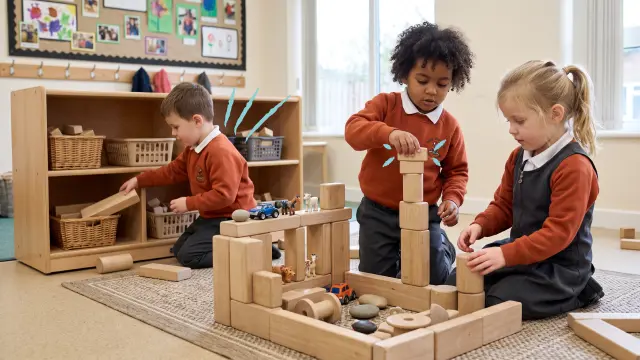
How to Set Up Different Areas in an EYFS Classroom
Different areas in an EYFS classroom should provide purposeful opportunities for play, communication, movement, creativity and exploration. Effective areas are clearly organised but flexible, with accessible resources that children can use independently. The aim is not to fill every available space, but to create an inclusive environment that supports the curriculum, children’s interests and responsive adult teaching.
Natalie McMunn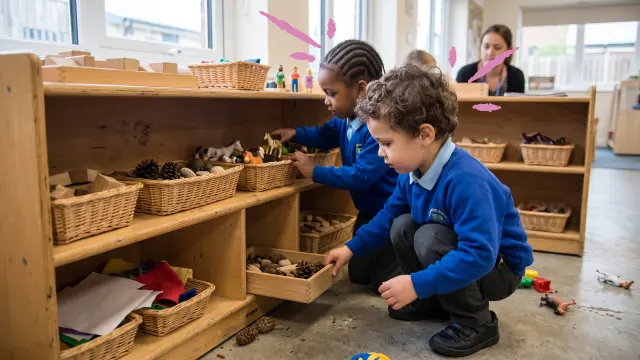
The EYFS Enabling Environments Principle, Explained
An enabling environment is an Early Years space in which children feel safe, included and confident to explore. It brings together purposeful organisation, accessible resources, responsive adult support and positive relationships with families. Its quality is measured not by its appearance or quantity of equipment, but by what it enables every child to experience, practise and learn.
Adelle Whitfield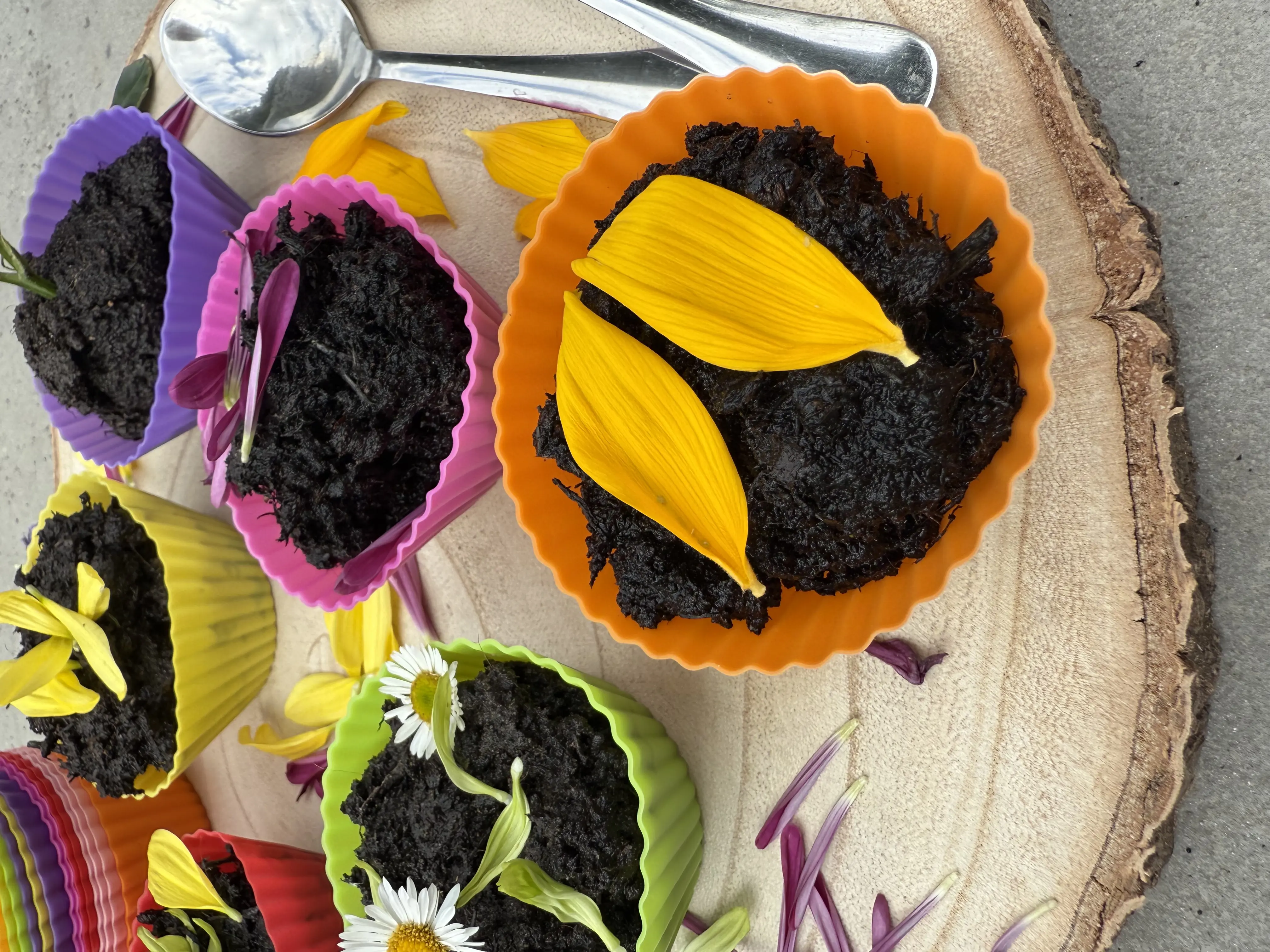
3 creative and easy summer activities for early years: Part 3
Discover three simple, low-cost outdoor summer activities for early years children designed in collaboration with Early Years Outdoors. These activities—Summer Herby Tea, Summer Petal Cupcakes, and Summer Colours—boost language, creative thinking, and sensory development using accessible, everyday natural resources.
Katie Taylor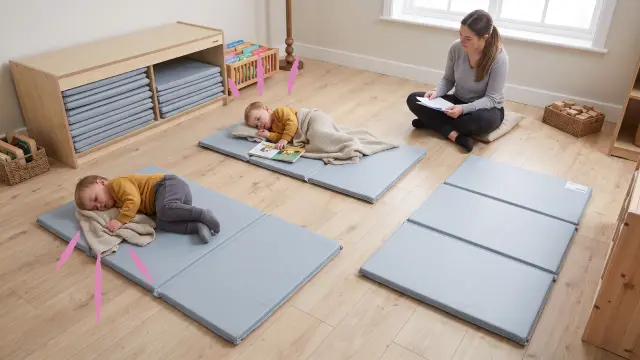
Sleep Mats and Rest Equipment for Nurseries: A Buying Guide
The right nursery sleep equipment should provide every child with a safe, comfortable and hygienic place to rest. Babies require an age-appropriate cot and safer-sleep arrangements, while suitable sleep mats or low beds may support older children. Nursery managers should prioritise safety, individual needs, cleanability, storage and effective supervision rather than choosing on price alone.
Adelle Whitfield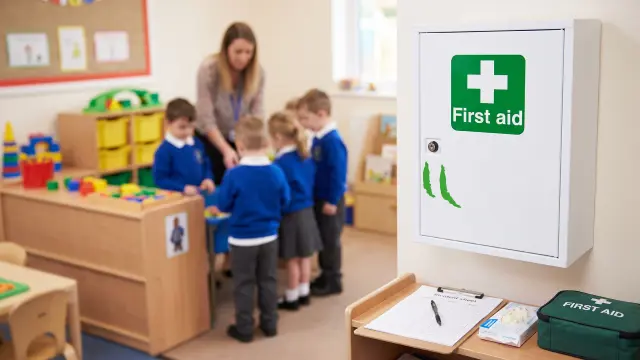
First Aid Supplies for EYFS Settings: A Compliance Guide
EYFS settings must always have an accessible first aid box containing appropriate items for children. There is no single statutory contents list for every nursery, so supplies should be selected through a first aid needs assessment. Effective provision also depends on trained practitioners, reliable stock checks and clear procedures that work across rooms, outdoor spaces, mealtimes and outings.
Adelle Whitfield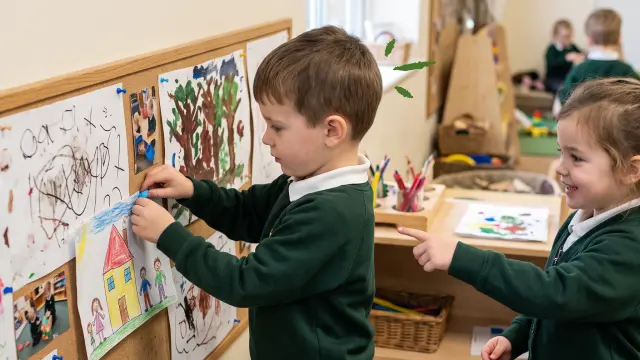
How Classroom Display Supports Learning in EYFS
Classroom displays support learning in EYFS when they reflect children’s ideas, make important language visible and help children revisit shared experiences. The most effective displays are not simply decorative or created entirely by adults. They grow alongside the children, celebrate meaningful learning and contribute to an enabling environment in which every child feels recognised, capable and included.
Carla Bonner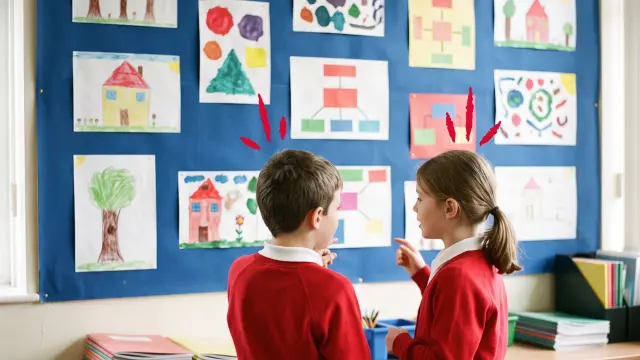
Backing Paper for Primary Schools: A Classroom Display Guide
Backing paper provides a clear foundation for classroom displays, helping pupils focus on the work, vocabulary and learning prompts that matter. The most effective choice is not always the brightest or most decorative. Durable paper, thoughtful colour choices and uncluttered layouts can help teachers create purposeful displays that support learning without increasing workload or overwhelming the classroom environment.
Carla Bonner
3 Sensory Play Activities for Early Years: Part 2
Simple activities like summer water play, ice painting, and creating seashell necklaces encourage children to explore textures, colors, and physical changes while driving curiosity, creativity, and self-led discovery aligned with EYFS development goals.
Katie Taylor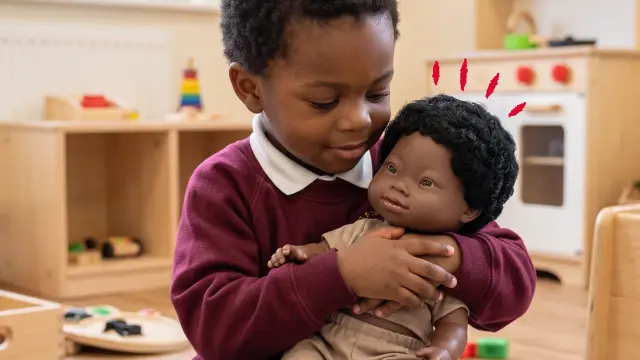
Dolls and Figures That Promote Diversity and Inclusion in EYFS
Diverse dolls and figures help children see themselves, their families and their communities represented in everyday play. A thoughtfully chosen collection can support belonging, empathy, communication and positive attitudes towards difference. In EYFS provision, these resources are most effective when they are available throughout the year and embedded naturally within meaningful, child-led play.
Adelle Whitfield