
 Editor's pick
Classroom Inspiration & Curriculum Ideas
Classroom inspiration works best when it starts with what children need to learn. Explore practical teaching ideas, curriculum activities and adaptable approaches for early years and primary classrooms. Find ways to connect subjects, support participation and make purposeful use of familiar resources, with guidance that helps you turn a promising idea into manageable everyday practice.
Classroom Inspiration & Curriculum Categories
How can you turn an activity idea into purposeful learning?
Start with a clear learning intention, then choose an activity that helps children explore or practise it. Think about what they already know, the vocabulary you will introduce and how you will recognise understanding. A memorable theme can provide a starting point, while the teaching sequence gives it purpose.
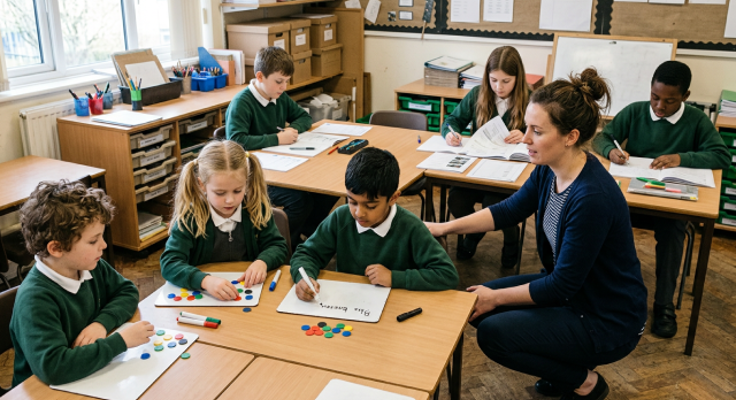
Before adding new materials, consider what you already have. Books, whiteboards, loose parts and everyday objects can be used in different ways across the week. Keep preparation manageable and allow time to revisit ideas rather than introducing a new activity for every lesson.
→ Related Guide: Eight (not six / seven) Teaching Tips and Strategies by Mike Kinnear
Featured articles


More Children Arriving Not ‘School Ready’: Why Foundations Matter More Than Ever
An increasing number of children are starting Reception without expected developmental milestones, placing sustained pressure on early years teams across England.

Benefits of using mini whiteboards in the classroom
What are the benefits of using mini whiteboards in the classroom? Read our rundown here...

Embracing Black History Month in the Classroom - Updated
What is Black History Month UK and why is it celebrated? Black History Month in the UK honours the history, arts, and culture of black people in the United Kingdom.

The Chinese New Year story
Chinese New Year is the oldest traditional festival in China, but where does the origin and story behind the holiday come from? Find out here

Sun safety for kids free downloadable poster
Use our sun safety for kids guide to help them learn all about UV protection and prevent any dangers. Download our free poster to use in class too!

Facts about the Windrush
Learn all about Windrush & Black history through our facts about Windrush. Expand children’s knowledge & show the importance of Windrush.

William Shakespeare facts for kids
William Shakespeare facts for kids Shakespeare day is on the 23rd of April to celebrate the playwright and poet and enjoy his famous work. William Shakespeare is a core part of the English curriculum, particularly for secondary school where pupils study and analyse...

6 models of blended learning
Blended learning is becoming more commonplace in education – but what are the available options? Our post runs down six common blended learning models.

Musical Instruments For Early Years
Check out these activities designed by our specialists to integrate music seamlessly into the Expressive Arts and Design (EAD) and Physical Development (PD) areas of learning, building strong foundations in rhythm, listening, and creativity.

5 Christmas films that will excite and educate your class
It’s the end of term & you need an injection of festive fun. Use this list of Christmas films and associated activities to engage & educate your class.

9 effective ways to teach communication skills to your pupils
Active listening, non-verbal cues and questioning: there’s a lot to cover when teaching effective communication skills to children. Use our ideas to help.

The ‘Best Start in Life’ Strategy – Strengthening Reception and Early Years Learning
Government launches £400m plan to improve early years and Reception learning. Findel explores what this means for schools.
Frequently Asked Questions
How do I choose a classroom activity that supports the curriculum?
Begin with what you want children to know, understand or practise. Check where the activity fits in your teaching sequence and what pupils already know. Then choose materials, questions and support that serve that aim. Decide what you will look or listen for so that you can judge whether the activity has helped.
Can one resource support learning across different subjects?
Yes, when each use has a clear purpose. A set of objects might support counting, descriptive language or a sorting investigation at different times. Make the intended learning explicit and avoid adding subject links simply to make an activity cover more areas. Reusing familiar materials can also reduce preparation and help children use resources confidently.
How can I adapt an activity for children with different needs?
Keep the learning intention in view while adjusting how children access the task and show understanding. You might use larger materials, visual prompts, shorter instructions, a quieter space or additional modelling. Draw on what you know about individual pupils and agreed support plans. Review the adaptation through observation and discussion, rather than assuming one approach suits everyone.
What can I do when planning time is limited?
Choose a familiar routine and change the content rather than rebuilding the whole lesson. Reuse resources, keep instructions clear and select one manageable learning focus. A short discussion, worked example or practical task can be useful when it fits the teaching sequence. Keep notes on what worked so that successful approaches are easier to use again.
Are the ideas suitable for both early years and primary classrooms?
This hub brings together ideas for early years and primary teaching, but each activity needs to be checked against the children, curriculum and setting. Early years provision may involve exploration and responsive adult interaction, while primary lessons may need more explicit subject teaching. Use the linked article to assess its audience and adapt the approach thoughtfully.