
Preschool Activities
Published on 10/11/2025 in Early Years
In early years settings, every creative painting, every shared story, and every roleplay interaction helps children build essential skills for later life. Finding activities that are both engaging and developmentally meaningful can sometimes feel like a challenge. Hope understands how vital early years learning is and how much passion and creativity early years practitioners, nursery teachers, and childminders bring to their work every day. That’s why Hope’s tried and tested preschool activity ideas help to ensure learning is fun, inclusive, and easy to deliver.
In this blog, you’ll find practical, play-based activities designed to support all areas of child development, from communication and creativity to confidence and coordination. Each activity links back to the EYFS framework and can be adapted to suit your setting, space, resources and children. Both adaptations to support and challenge children have been included to ensure all children can access to the activities. Also included are resources from Hope that can be used in your environment.
Why Preschool Activities Are Important
In the early years, children learn best through play. The EYFS framework recognises play as a powerful vehicle for developing social, emotional, physical, and cognitive skills.
Social and Emotional Development: Group games and imaginative play teach cooperation, empathy, and self-regulation.
Physical Development: From climbing to cutting, movement builds both fine and gross motor control.
Cognitive Development: Puzzles, stories, and sorting activities encourage problem-solving, curiosity and critical thinking.
Communication and Language: Singing, rhyming, and storytelling expand vocabulary and confidence.
Play based learning isn’t “just fun” — it lays the foundations for literacy, numeracy, and lifelong learning.
The preschool years are a time for children to grow and discover. Every activity, from building towers with blocks to singing songs and rhymes, plays a vital role in shaping how children think, feel, and interact with the world around them. Under the Early Years Foundation Stage (EYFS) framework, play-based learning is recognised as central to supporting children’s holistic development.
Below explores the prime areas from the EYFS framework in more detail for you to further understand why activities are so fundamental to children’s early learning. The prime areas are foundational and crucial for a child's ability to learn in four specific areas from the EYFS framework – Literacy, Mathematics, Understanding the World and Expressive Arts and Design.
You can view Development Matters (EYFS Framework) here - Development Matters (EYFS Framework)
Social and Emotional Development
Through play, children learn how to share, take turns, and express their feelings. Group activities, such as role play or circle games, encourage empathy, cooperation, and self-regulation. These early interactions build the foundation for healthy relationships and emotional well-being later in life.
Physical Development
Whether climbing, painting, or threading beads, physical play strengthens both gross and fine motor skills. It also supports coordination, balance, and confidence in movement, all essential for future writing, self-care, and independence. The EYFS highlights the importance of active play in helping children understand what their bodies can do and how to keep themselves healthy.
Cognitive Development
Hands-on exploration allows children to experiment, ask questions, and make sense of cause and effect. Activities such as building towers with blocks, solving puzzles, or exploring nature spark children’s curiosity and critical thinking. These are key skills within the Understanding the World and Mathematics areas of learning.
Communication and Language Development
Children’s language flourishes when they engage in meaningful play. Storytelling, singing, and pretend play expand children’s vocabulary, encourage listening, and help them learn how to express themselves clearly. These experiences underpin early literacy and set the foundations for children to become successful readers and writers.
A common misconception about children’s play in early years is that it’s simply ‘fun’. However, by offering a balance of guided and child-led activities for children, practitioners can nurture confident, capable learners who are ready to thrive in school and in later life.
Fun and Educational Preschool Activities
Here are some simple ideas to inspire your planning and support every child’s development in a range of areas -
Creative Arts & Crafts
Nature Collages – Collect leaves, twigs, and flowers during outdoor time and create textured collages. Encourages sensory exploration and creativity.
Reasonable Adjustments - Offer pre-collected materials for children with sensory sensitivities. Encourage all children to express themselves in their own way - there’s no “right” creation. Challenge children by encouraging them to talk about what have made – counting leaves, explaining decisions, making comparisons.
Bubble Painting – Mix paint with bubbles and blow onto paper for a fun, sensory art experience. Supports fine motor skills and colour recognition.
Reasonable Adjustments - Provide adaptive tools (e.g., large straws or blowers) for children with limited oral motor control. Allow choice of colours and tools to suit preferences. Challenge children by promoting independent decision making.
Recycled Art Station – Use boxes, bottles, and scrap materials for open-ended model-making. Promotes imagination and sustainability awareness.
Reasonable Adjustments - Include a variety of textures and sizes. Celebrate different approaches, for example, some may glue, others may build or arrange. Challenge children by discussing the choices they have made.
Hope Resources
Craft Compendium
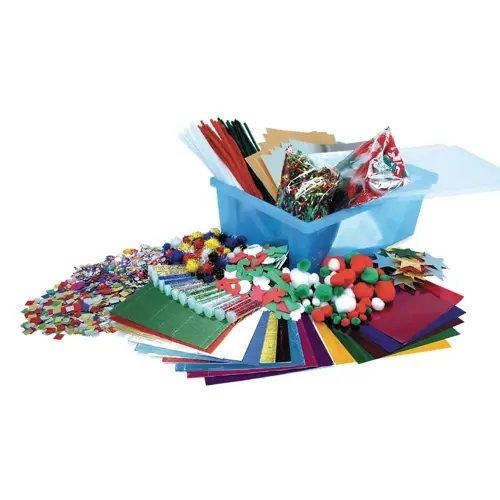
Ideas -
Finding natural resources.
Making number formations with natural objects.
Matching quantities to numerals Play Tray with Stand
Play tray with stand
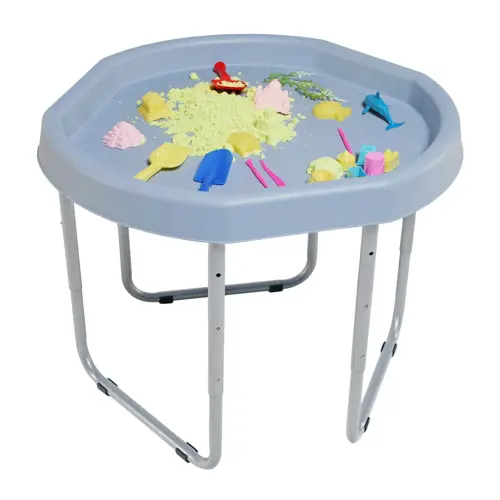
Ideas -
Bubble painting
Messy play
Sensory activities (foam, sand, stones, water)
Painting
Hand Mark Making Kit
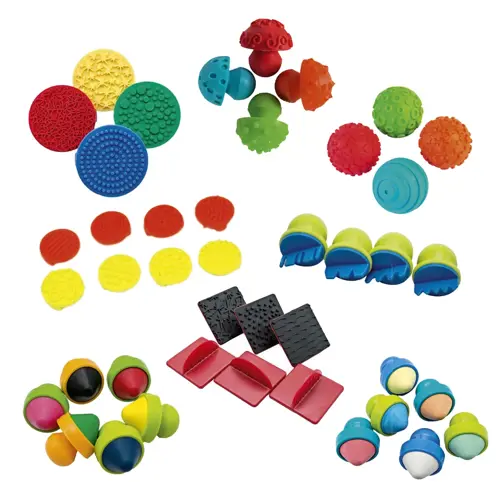
Ideas -
Printing
Creating patterns
Creating shapes
Birthday and Christmas cards
Literacy & Language
Storytelling Circle – Use props or puppets from Hope Education’s storytelling kits to bring tales to life. Builds narrative skills and confidence.
Reasonable Adjustments - Provide visual supports, Makaton signs, or audio cues for children with communication needs. Allow children to express stories through words, gestures, or art.
Phonics Treasure Hunt – Hide letter cards around the room and have children find items that start with each sound.
Reasonable Adjustments - Offer clues in picture and symbol form as well as letters. Pair children for peer support and confidence-building.
Singing and Rhyming Time – Daily rhymes and songs help rhythm, memory, and language development.
Reasonable Adjustments - Use songs from diverse cultures. Encourage participation through movement, signing, or instruments for non-verbal children.
Hope Resources
Fairytale Puppets
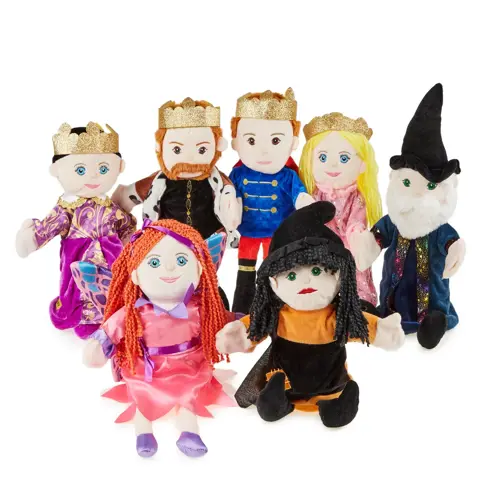
Ideas -
Identifying characters
Retelling stories
Character perspective conversations Phonics Spots
Phonic Spots
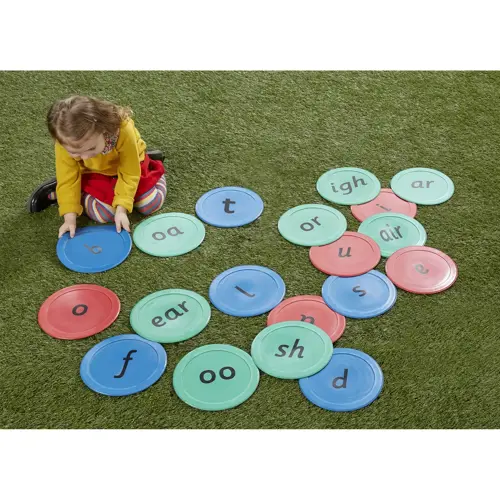
Ideas -
- Hiding and finding sounds
- Identifying and matching using initial sounds
- Building words (name)
- Treasure hunt
Nursery Rhyme Stones
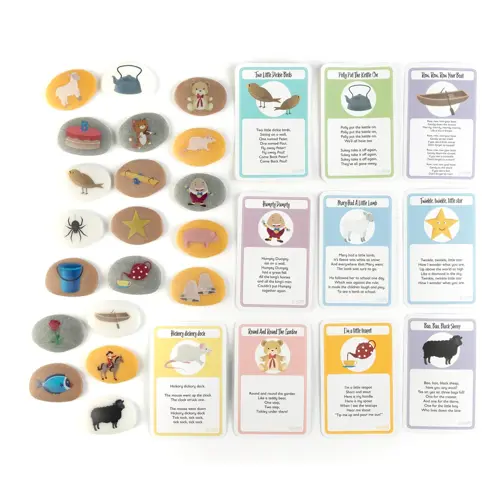
Ideas -
Order the rhyme
Pairs/matching
Encourage songs and rhymes
Numeracy & Problem-Solving
Shape Sorting Challenge – Provide a basket of mixed shapes and ask children to sort by size or colour. Introduces mathematical language.
Reasonable Adjustments - Offer tactile and visual variations (e.g., raised shapes, contrasting colours) for sensory and visual needs. Allow sorting by multiple attributes to support different abilities.
Counting in Nature – Collect pebbles, petals, or sticks and count in groups of five or ten.
Reasonable Adjustments - Offer pre-gathered materials or tactile counting aids for those unable to collect. Encourage teamwork to support mixed-ability engagement.
Puzzle Play – Use wooden puzzles from Hope Education’s range to strengthen logical thinking and hand–eye coordination.
Reasonable Adjustments - Offer puzzles with varying complexity and large handles for easier grasping. Celebrate all attempts, not just completion.
Hope Resources
Natural Autumn/Winter Number Cards
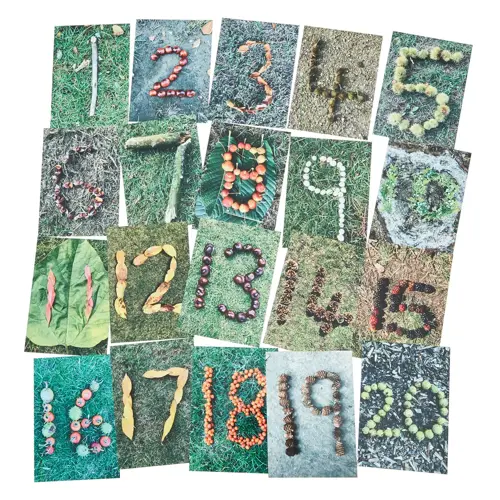
Ideas -
Finding natural resources
Making number formations with natural objects
Matching quantities to numerals
Polydron Magnetic Shapes
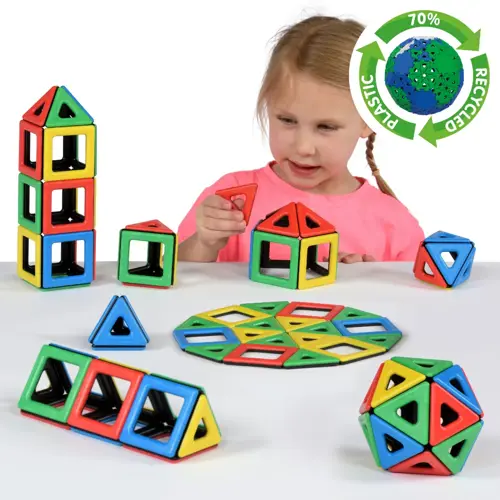
Ideas -
Sorting (colour and shape)
Building 3D models
Create simple patterns
Touch and Feel Puzzle
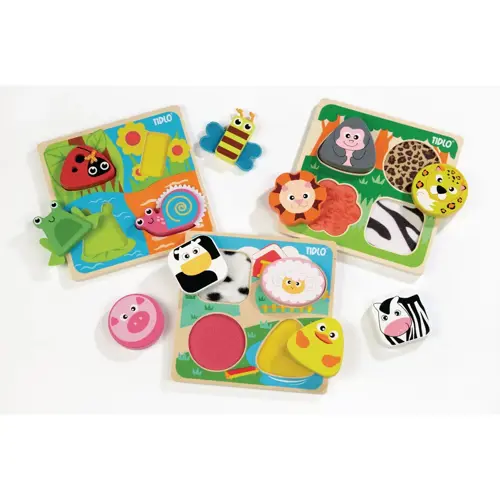
Ideas -
Exploring textures
Matching
Hide the animal
Make a sound (animal)
Physical Play
Obstacle Course – Set up tunnels, hoops, and cones to build balance and gross motor control.
Reasonable Adjustments - Offer adjustable routes (shorter paths, alternate challenges). Encourage cooperative runs or team support for varied ability levels.
Fine Motor Stations – Try threading beads, pegging clothes, or scooping rice for precision practice.
Reasonable Adjustments - Provide different grip tools, tongs, or adapted materials for children with fine motor difficulties. Celebrate persistence and effort.
Parachute Games – Encourage teamwork, coordination, and laughter with group play.
Reasonable Adjustments - Include seated or standing participants. Allow children to choose their role (e.g., lifting, rolling a ball, leading a chant).
Hope Resources
Obstacle Course Set
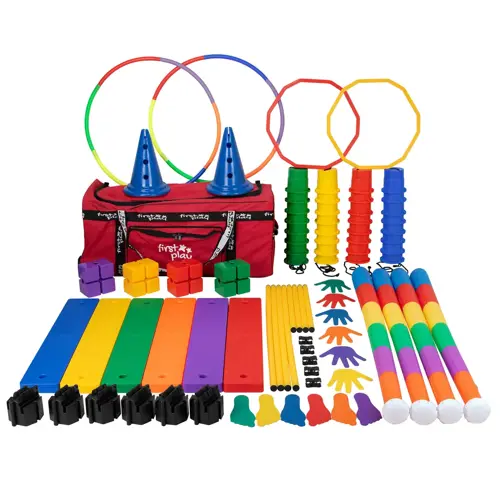
Ideas -
Independent team games
Races
Crawl, climb, jump, skip, hop, walk
Wooden Lacing Kit
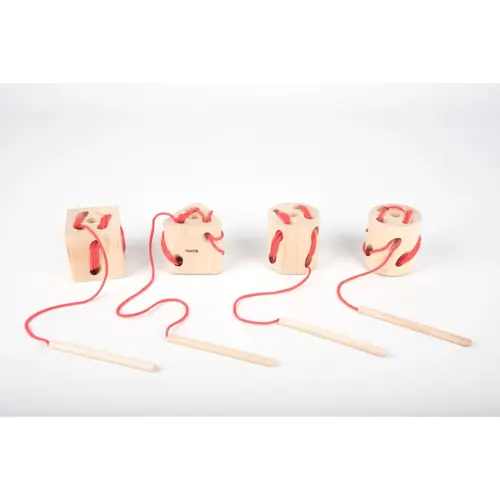
Ideas -
Creating jewellery
Threading
Creating patterns
Parachute Games
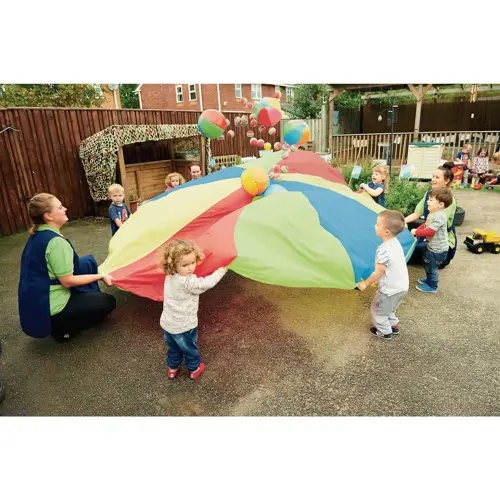
Ideas -
Parachute tag
Ball role
Mushroom
Social & Emotional Development
Role Play Corner – Set up a pretend shop, doctor’s surgery, or kitchen. Encourages empathy and cooperative play.
Reasonable Adjustments – Include multicultural dolls, play foods, and dress-up items. Encourage children to act out familiar or aspirational roles to reflect diversity.
Feelings Faces – Create emotion cards and use them in circle time to talk about how children feel.
Reasonable Adjustments - Represent diverse emotions and facial expressions across different cultures and abilities. Provide mirrors or AAC (Augmentative and Alternative Communication) boards for children who need extra support.
Turn-Taking Games – Simple board games help develop patience and social awareness.
Reasonable Adjustments - Offer cooperative versions of games so everyone participates simultaneously. Encourage verbal and non-verbal ways to take turns (gestures, signs, visual cues).
Hope Resources
Builders Roleplay Kit

Ideas -
Engage in pretend play
Build homes and familiar buildings
Team work to problem solve
Engage in conversations about safety
Wooden Lacing Kit
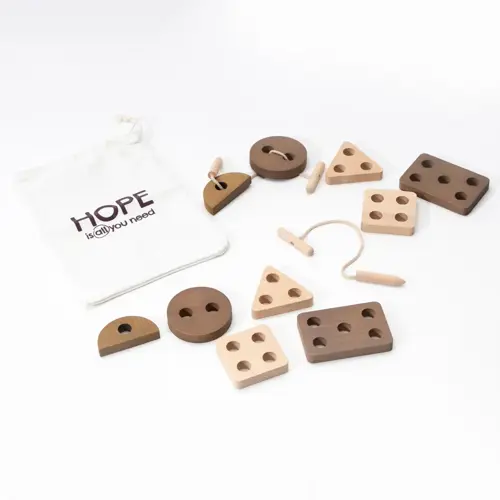
Ideas -
Teach and label feelings
Talk about our feelings
Learn parts of the face
Talk about ourselves
Crocodile Hop Floor Game
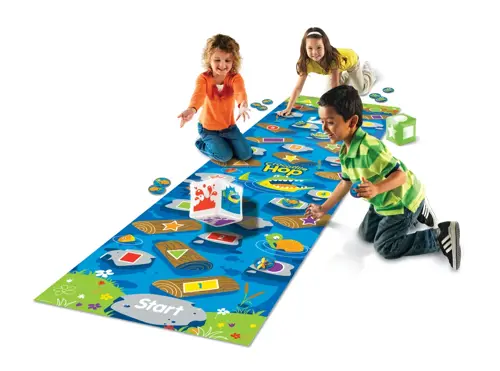
Ideas -
Team building opportunities
Turn taking opportunities
Name and learn animal names
Tips for Successful Early Years Activities
Keep it flexible
Activities should be adaptable for children’s different learning styles and abilities.
Offer open-ended materials – Provide loose parts (buttons, fabric, blocks, natural objects) that can be used in a range of different ways.
Differentiate by outcome, not the task – Let children show understanding in various forms (drawing, building, storytelling) - let them lead!
Use multi-sensory approaches – Combine visual and auditory learning styles, e.g. counting with music and movement.
Vary time and pace – Allow some children to spend longer exploring, while others move on when ready. Provide a suitable challenge for children who finish quickly.
Encourage choice – Let children decide how to use materials or which aspect of an activity interests them most.
Follow the child’s lead
Allow exploration and creativity to guide the direction of play.
Observe first, then join in – Notice what children are curious about and extend their learning, e.g. if children are fascinated by bugs, set up a mini bug hotel.
Ask open-ended questions – “What do you think will happen if?
Encourage imaginative play – Provide props for role play that can be adapted, e.g. scarves, boxes, costumes.
Be flexible with outcomes – If an activity goes in a new direction—follow children's enthusiasm.
Involve everyone
Offer sensory friendly and inclusive adaptations for children with additional needs.
Provide sensory options – Use calm corners, fidget tools, or noise cancelling headphones.
Adjust materials – Larger handles for fine motor support, visual cues for instructions, or textured resources.
Use visual timetables – Help children understand routines and transitions through images.
Offer alternative communication methods – Use Makaton signs, picture cards, or gestures alongside speech.
Celebrate diversity – Include stories, songs, and cultural materials that reflect all backgrounds and abilities.
Encourage home links
Share simple versions of activities for parents to try at home, building continuity in learning.
Use photos or short videos – Show families what activities looked like in class so they can replicate them.
Offer bilingual resources – Provide instructions or songs in home languages to support family engagement.
Conclusion
Engaging preschool activities do more than fill the day — they shape confident, curious learners ready for the world ahead. By weaving together creativity, movement, and communication, early years practitioners can nurture every aspect of a child’s development.
So why not try something new this week? Experiment, adapt, and enjoy the wonderful process of learning through play.
Explore Hope Education’s full range of early years’ resources to bring your preschool activities to life.