Expert tips for creating inclusive environments
Published on 02/01/2026 in SEND & Inclusion
We asked three SEND experts for real life examples of how they have created an inclusive environment and the impact this has had on the children in the setting. Read on to find out simple, easy ways you can make a big difference to your children with SEND.

Cheryl Warren, award winning Early Years Neurodiversity Affirming Consultant and International Trainer
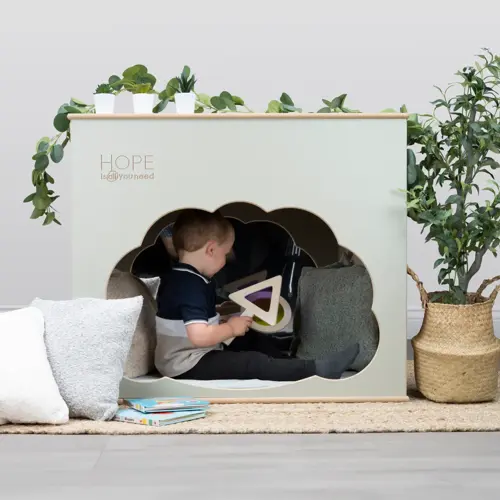
One setting I supported added a small ‘place of escape’, a cosy little nook offering gentle privacy and retreat and the impact was evident within just a short time. Children used it by choice when sensory input spiked, advocating for their own needs rather than them being ‘removed’ from an environment by an adult. It became a powerful regulation anchor. Sensory-safe, neuroinclusive spaces shouldn’t be optional, they’re a vital part of neurodiversity-affirming practice, recognising nervous system differences and giving children a place to breathe, reset and return when ready.
Lucy Yarnell, SEND Lead Advisor at Kids Planet
Our nurseries each have different layouts and group sizes, but inclusivity is at the heart of every environment. We focus on creating spaces where children can take time away from the busy world and regulate. Not every room has a dedicated sensory area, so supporting breakout spaces is essential. The resources we’ve added—such as tents and sensory tools—offer children a calm, relaxing place to reset and rejoin the group with renewed energy.

Gillian Holbrook, Early Years Educator and owner of @thecreativestrawberries
The main thing I have found in the classroom is acceptance. Ensuring that all children feel valued and accepted as they are. For specific learning provisions, visual cues and aids are always a bonus to go alongside verbal instruction, and this helps the whole class not just SEND children. Always offering a variety of options and alternatives, for example seating arrangements or activities, so that there is always an option suitable for every child and you’re always prepared.