
Early signs of Spring for Early Years children
Published on 25/02/2026 in Early Years
Winter hasn’t fully left us yet, but there are some definite signs that spring is on the way. For young children, this ‘in-between’ season is a beautiful time to practice noticing small changes in the world around them. Those tiny shifts help build observation skills, curiosity, and a sense of awe and wonder.
Here’s how to spot early signs of spring and turn them into meaningful, playful learning moments with your little learners.
The first signs of Spring
Even when it is still chilly outdoors, nature starts whispering that change is coming. The following are some of the changes you might see as winter draws to a close:
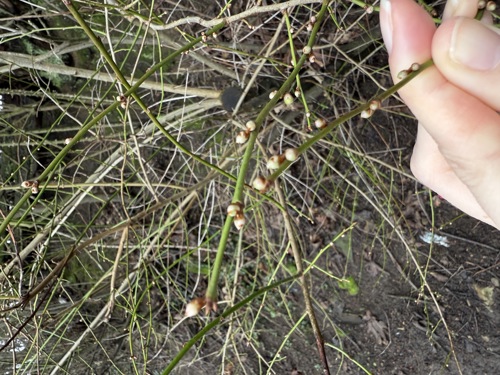
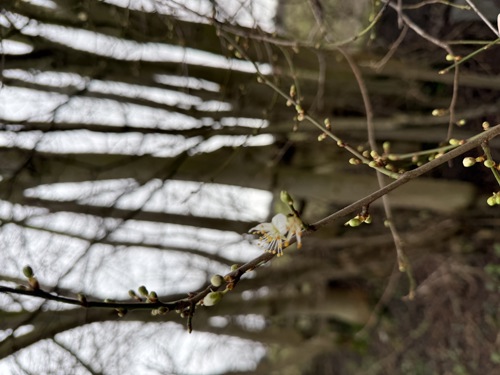
Look out for buds starting to grow on the tips of tree branches. They usually start off a green colour in an oval shape. Blackthorn blossom has early buds to look out for and are one of the earliest to flower.
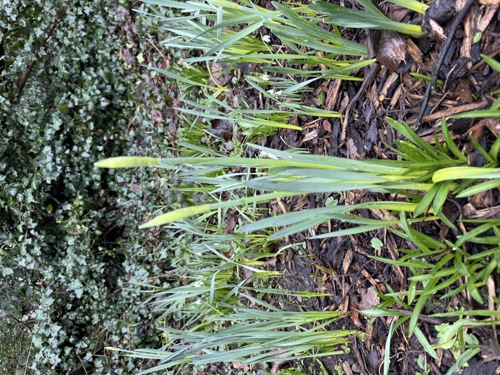
The first flowers of the year that poke through the ground are typically snowdrops and crocuses. Sometimes at this point in the year, you will also see daffodils that haven’t bloomed yet.
The grass on the ground starts to become lusher and greener, growing longer and swaying gently in the Spring breeze.
Early in the morning, you will hear birds chirping and singing, letting us know that Spring is definitely on the way.
Moles are especially active in spring and autumn, so you may be able to spot some extra mole hills when outdoors.
Children may notice that daylight lasts a little longer each day and they can spend more of their day outdoors before it turns dark in the evening.


Why taking time to notice changes matters
This time of year is perfect for nurturing those early observation skills in young children as they begin to spot the changes all around them. As educators, we can ask questions such as “What looks different outside today?” and “I wonder what we will see growing…” which will spark their curiosity.
The children will be exposed to a variety of new vocabulary linked to the season such as colours, textures, sounds and specific names of plants. Model the language when outdoors and through play.
Allow children to explore how the seasons make them feel, such as happy when the days are brighter and the sun shines on their face, or excited when they spot something new growing from the ground that was not there previously. This will help with their emotional growth and guide them to link their feelings to the season.
Ideas for little ones to join in with:
Go on an early signs of Spring scavenger hunt. Print out the sheet at the bottom of the page and see how many you can spot. Talk about each one found and describe how it links to the season.
Plant beans, peas or herbs. They are all fast growing and children won’t have to wait too long to see growth. You could plant them in jars or transparent cups to observe the roots. Discuss how to care for the plant and what they will need to enable them to grow.
Use paints, chalks, crayons or pens to create artwork based on the colours seen in Spring.
Take colour charts or sheets outdoors to match with their Spring nature finds. Discuss the colours seen and how this may differ from the seasons they have previously encountered.


Enjoy noticing the changes of the upcoming season and sharing the joy with young children...
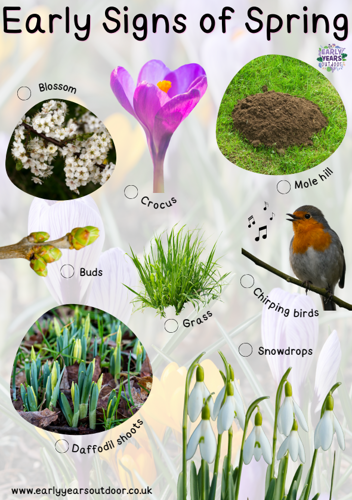
Click here to download or view the Early Years Spring Poster...
Author
Katie Taylor
Early Years Specialist
Early Years specialist who loves inspiring outdoor learning.