
Engaging Reluctant Readers in Education by Callum Porter
Published on 25/11/2025 in Primary
Supporting young children in developing a love of reading is one of the most important aspects of a practitioner's job in education. Many practitioners understand the challenge of the reluctant reader and the child who struggles to focus during story time, shows little interest in books, or feels overwhelmed by early literacy activities. This reluctance is common in primary schools, but with the right strategies, we can guide children toward becoming confident and enthusiastic readers. Reading in the early years begins long before children learn to decode words. It starts with curiosity, connection, and play. Keeping reading experiences engaging, accessible, and developmentally appropriate, especially in a busy classroom setting, can be difficult.
This article provides practical, classroom tested ideas to help make reading exciting, even for hesitant learners. Each suggestion reflects child development theory and aligns with the EYFS framework, focusing on communication and language, literacy, emotional development, and physical skills.
Hope Education understands how vital early reading experiences are for young children and how essential it is for educators to feel supported. They provide trusted, high-quality resources designed to make literacy learning both playful and purposeful.
Early Reading Experiences Matter
Engaging reading activities play a central role in children’s social, emotional, physical, and cognitive development. Under the EYFS framework, literacy and communication are deeply interconnected with every area of learning. Through early reading experiences, children learn to develop language and vocabulary, strengthen listening and attention skills, make emotional connections and build strong relationships with others. In early years, children's first engagement with reading often comes through looking at books freely, through storytelling, role play, or shared reading. This is where children begin to see reading as an enjoyable and meaningful experience, and for reluctant readers, reading through play is the best place to start.
Activities to Engage Reluctant Readers and Hope Resources
Below are some easy, inclusive activities that help the reluctant readers in my class build confidence and curiosity.
Creative Development
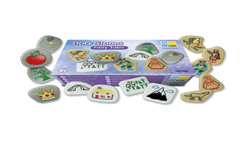
Story Stones – Children use the stones to order and retell the story. Plain stones found in nature can also be used to create your own set. Adding plain stones with this resource provides children with the opportunity to innovate a story, changing characters, settings and events. This resource is great for oral language and imagination.
Sensory Story Baskets – Combine objects with a book to bring them to life – Handa's Surprise Story Basket. This resource is perfect for a focus text during literacy lessons and supports sensory needs for children with SEND.
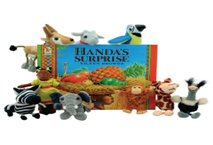
Travelling Tales - Handa’s Surprise
Literacy & Language
Phonics Treasure Hunt – Practitioners can hide sound cards or initial sound objects around the room and ask children to match the sounds – e.g. snake, s. This activity promotes movement and phonics recognition.
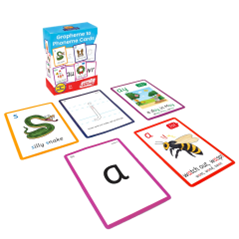
Junior Learning Grapheme to Phoneme Cards
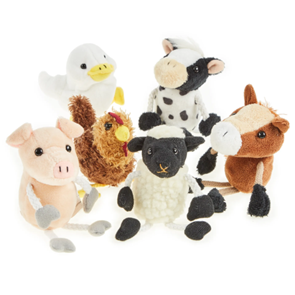
Puppet Reading Buddies – Shy readers may read to a puppet, reducing pressure and boosting confidence. For older children, audiobooks can reduce cognitive load, allowing children to access more ambitious vocabulary. Teacher read alouds are also important as teachers can model fluency and expression. During read alouds, children can focus on developing comprehension.
Numeracy and Problem Solving
Shape Story Characters – Build characters from simple shapes, helping children link literacy with early maths. Children can talk about the decisions they have made – e.g. “the circle is the wolf’s face” or “the cone is the witch because it looks like her hat”.

Physical Play
Outdoor Story Trails – Use story cards linked to events in a book, e.g, “Stomp like the bear” for We’re Going on a Bear Hunt.
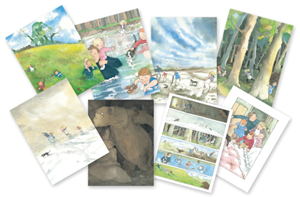
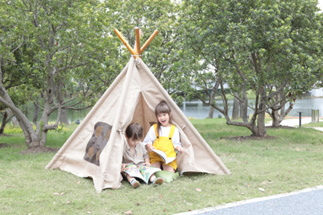
Roleplay Story Corners – Encourage physical acting-out of stories, perfect for energetic and enthusiastic learners. Ensuring your environment is inviting, comfortable and calm is vital for promoting a love of reading, so resource choices matter.
Social & Emotional Development
Feelings Books – Use books to explore emotions and check with children about how they are feeling. It is important to expose children to both fiction and non-fiction texts throughout the environment.
For older children, offer a wider range of texts, novels, magazines, audiobooks, comics, sports articles, newspapers, short stories and diaries. Children can also take ownership by selecting books and topics to match their interests, such as animals, gaming, fashion, and mystery. Using high-interest, low difficulty texts helps ensure reading feels accessible rather than overwhelming.
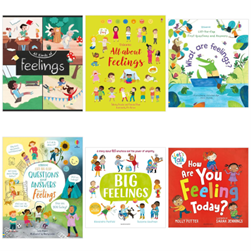
Feelings and Emotions Non-Fiction Books
All activities above from Hope have been designed to be safe, inclusive, and adaptable for mixed-ability groups, including children with SEN needs.
Tips for Supporting Reluctant Readers
Keep it short - little bursts of reading play are far more effective than long sessions.
Follow the child’s interests - use stories that will hook children's attention - Dinosaurs, Trucks, Unicorns.
Offer choice – Providing a range of texts helps children from a love of reading, e.g. picture books, sensory books, comics, fiction and non-fiction books.
Create an inviting environment - A cosy reading corner, soft lighting, and familiar props will encourage children to explore reading.
Reassure and celebrate reading - Adult engagement and praise support motivation and progress.
Work with parents/carers - Sharing simple home ideas such as bedtime stories, library visits, and helping parents to engage with reading at home. Inviting parents into school for reading mornings can also be effective.
Motivation - Pre-teaching vocabulary and providing previews and summaries can help prepare children for a difficult book and ensure they feel motivated to read. Breaking the text into smaller sections helps children not to feel overwhelmed by longer books.
Low Stakes Reading Culture – Asking for volunteers to read aloud helps avoid making reluctant or dyslexic readers feel uncomfortable. It is also important to encourage children by celebrating progress rather than focusing on reading levels.
Represent Reading in the World – Providing children with recipes, instructions, manuals, blogs and guides to show children how important reading skills are in the world.
Share Book Recommendations – Allow children to lead reading culture in class by introducing a recommended or familiar texts basket where children can select and think about their favourite texts each week.
Technology – show children that reading appears in many digital forms on iPads, apps and documents. Tools for dyslexic children can be enabled on iPads and tablets – font changes, line spacing, overlay on pages, text to speak, etc.
Conclusion
Engaging reluctant readers isn’t about pressuring children to read but inviting them into stories through play and exploration. When literacy activities are fun, flexible, and child-led, even the most hesitant reader can discover the magic of books. By experimenting with the ideas above and choosing approaches that reflect your children’s interests, you can build a nurturing reading culture where every child feels capable and excited to explore a wide range of texts.
The resources from Hope Education help practitioners to create a high quality and vocabulary rich environment with meaningful reading opportunities for children.