
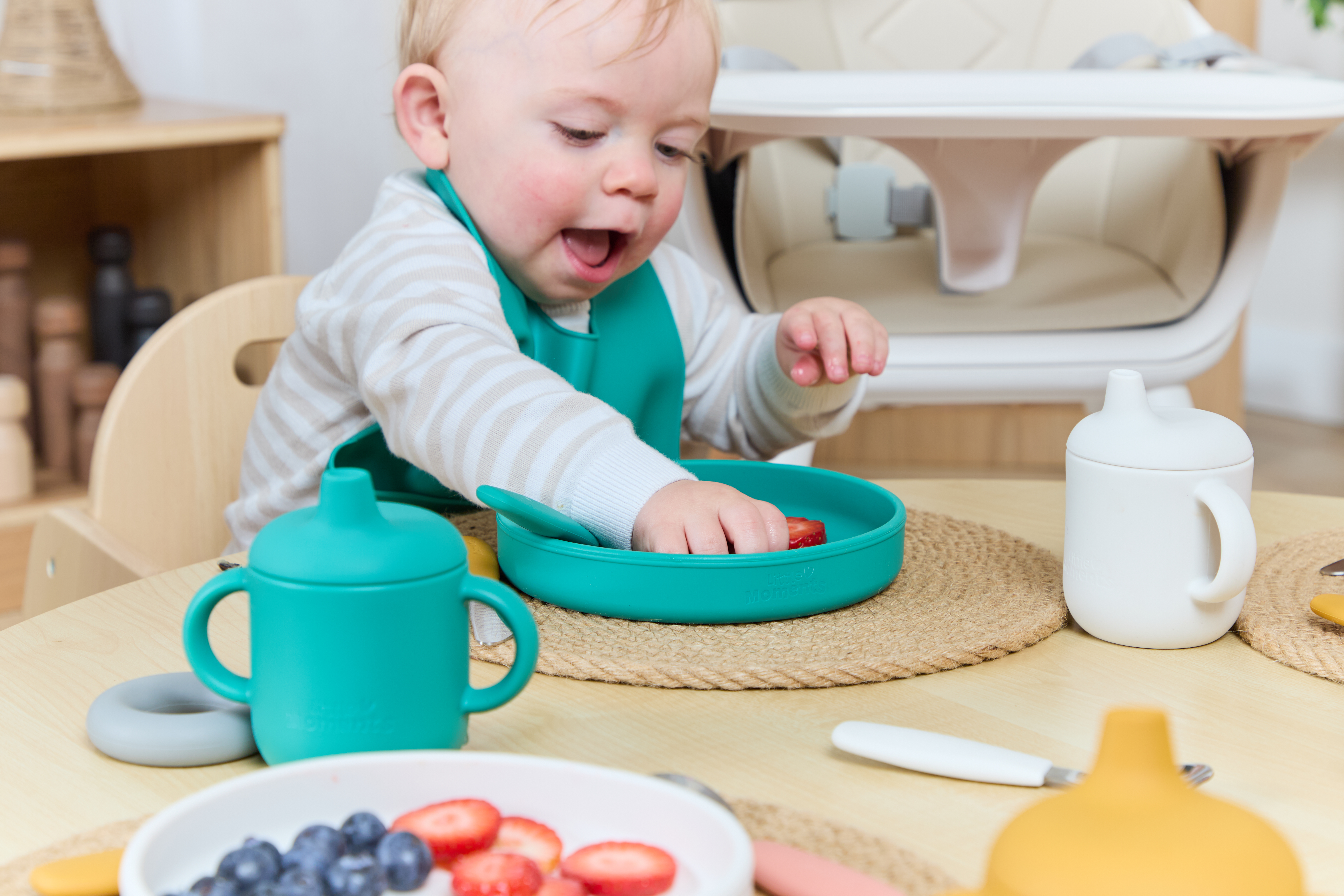
Nourishing the Next Generation: Healthy Eating for Birth to Five-Year-Olds
Quick Answer
Healthy eating routines established from birth to age five lay the foundations for lifetime wellness. Emphasising food variety, independent sensory discovery, low-pressure shared meals, and positive language helps track healthy development, strengthens immune systems, supports oral hygiene, and empowers toddlers to form a lifelong healthy relationship with food.
In this article
The first five years of a child’s life are full of incredible growth, discovery and development. During this important stage, children are not only learning how to walk, talk and explore the world around them, they are also developing lifelong attitudes and habits around food and eating.
The experiences children have at mealtimes during these early years can shape the way they think and feel about food for the rest of their lives. By creating positive, relaxed and enjoyable eating experiences, parents and early years practitioners can help children build healthy relationships with food that support their well-being long into adulthood.
Good nutrition plays a vital role in early childhood. Young children grow rapidly and need a wide range of nutrients to support brain development, strong muscles and bones, healthy immune systems and overall well-being.
Healthy eating is also closely linked to concentration, mood, energy levels and oral health. Rather than focusing on strict diets or ‘perfect eating’, the goal during early childhood should be variety, balance and enjoyment. Helping children feel curious, confident and comfortable around food is one of the greatest foundations adults can provide.
Weaning and first foods
Around six months of age, babies begin the exciting journey from milk feeds to solid foods. While breast milk or infant formula remains an important source of nutrients throughout the first year, introducing solids helps babies learn new tastes, textures and feeding skills.
Many health professionals now recommend introducing vegetables before sweeter fruits during weaning. Offering vegetables such as broccoli, peas, carrots and sweet potato early on may help babies become more accepting of savoury flavours as they grow.
Finger foods are another important part of early feeding. Providing soft foods that babies can pick up independently helps to develop hand-eye coordination, chewing skills and confidence at mealtimes. Offering a colourful variety of textures and flavours helps to make eating fun, engaging and adventurous.
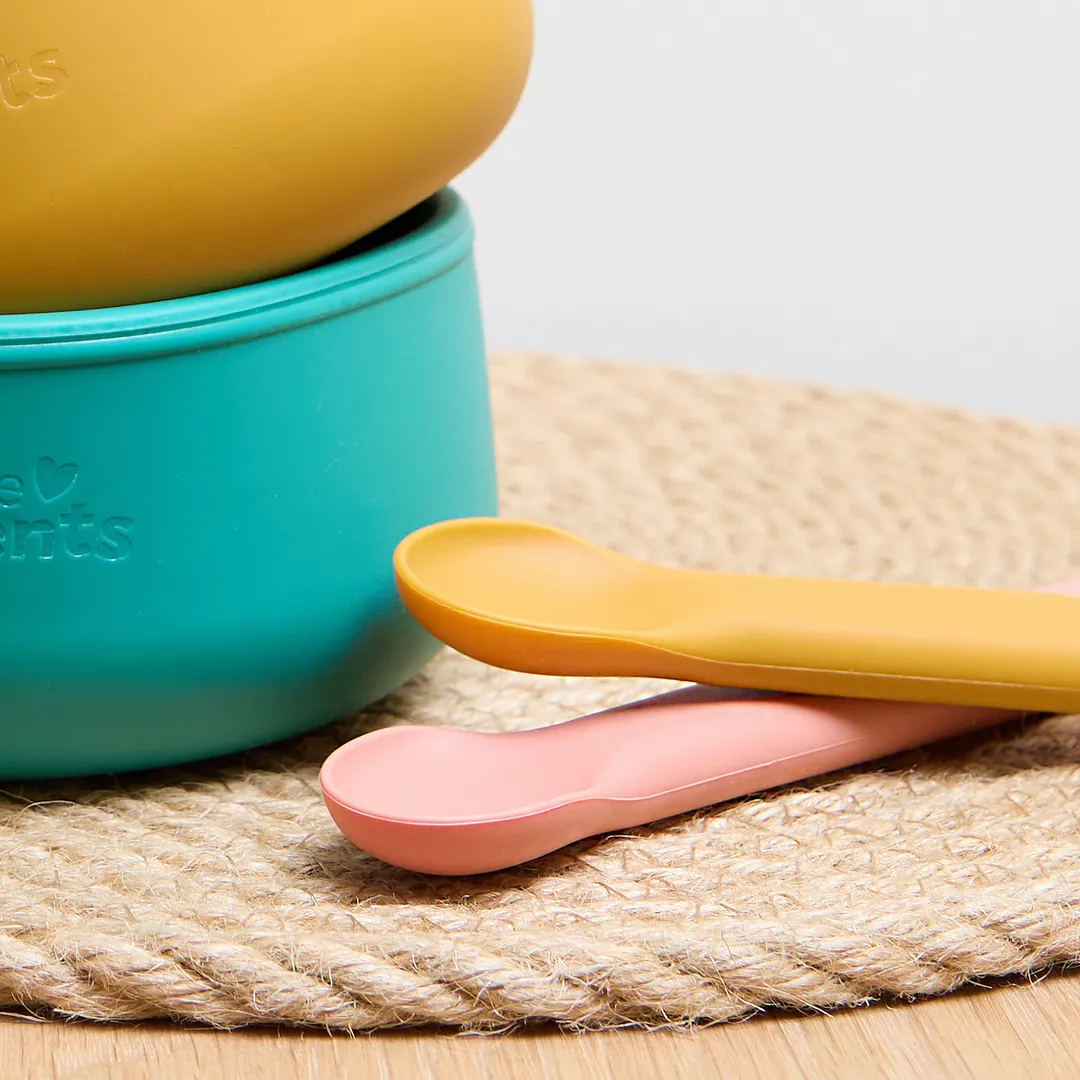
The Little Moments silicone spoons are a gentle introduction to cutlery for younger children. They are gentle on delicate mouths and gums but durable enough to be part of the everyday routine in a setting.
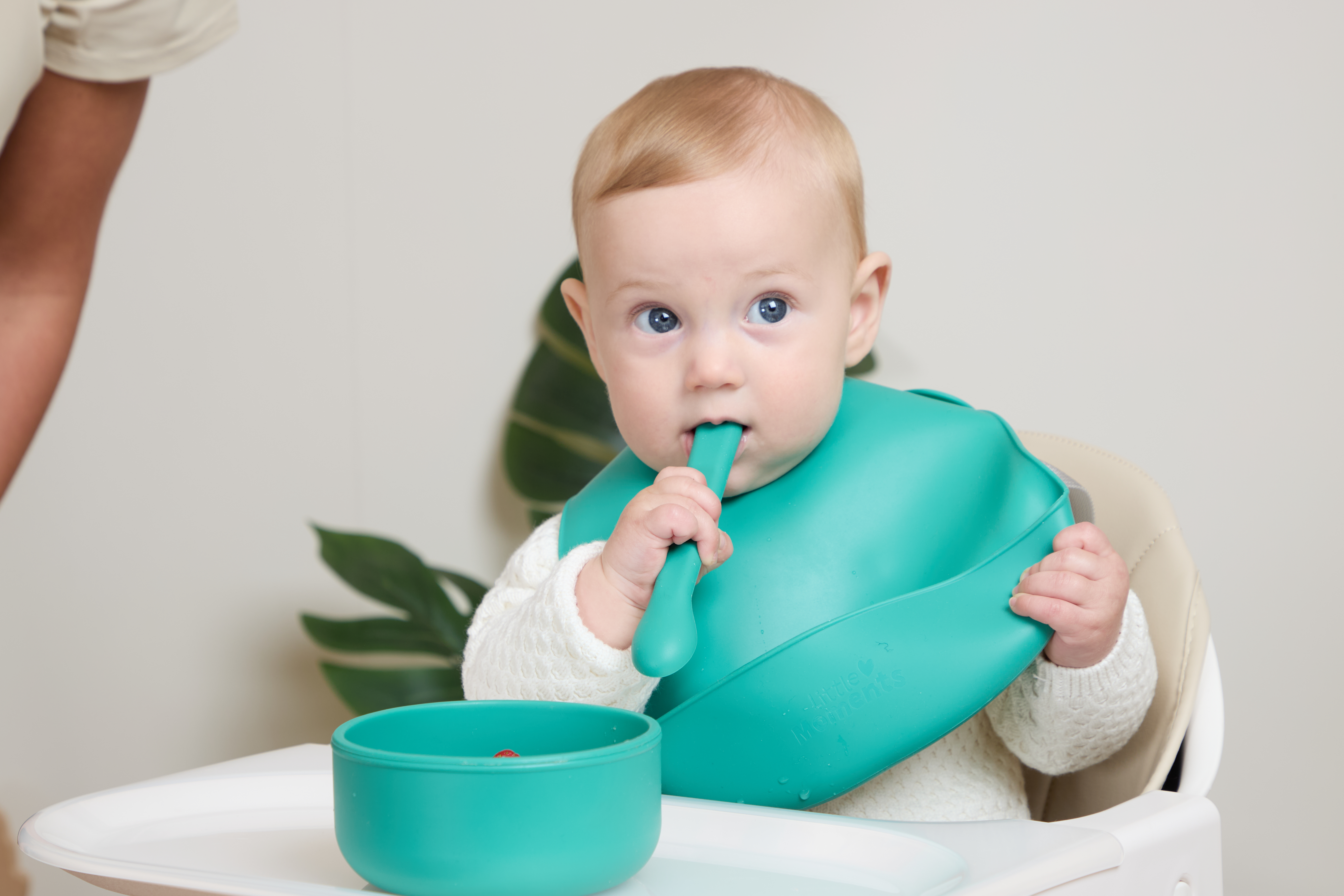
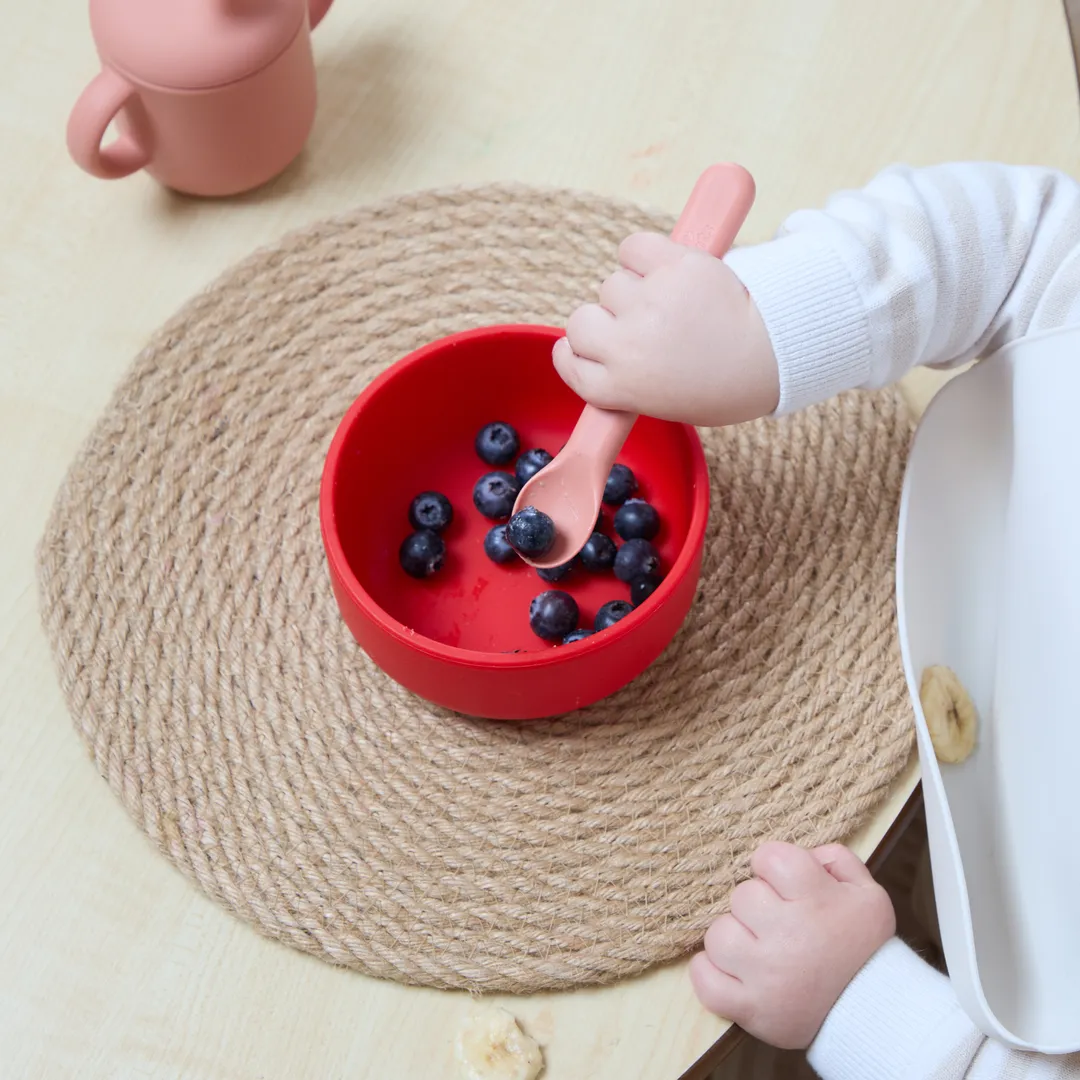
Every child approaches food differently. Some babies dive straight into new tastes and textures with excitement and enthusiasm, while others prefer to watch and explore more cautiously. Both responses are completely normal. There is no ‘right’ timeline for learning when to enjoy food; repeated exposure is key, as research shows that offering children new foods alongside familiar foods multiple times can encourage choice and then acceptance. Gentle encouragement, without pressure, is the most effective approach to building confidence as they explore in their own time.
Supporting healthy eating in toddlers and preschoolers
As children move beyond their first birthday, milk continues to provide important nutrients such as calcium and vitamins. Alongside this, children should be encouraged to enjoy a varied diet of solid foods which allows them to practise independent feeding.
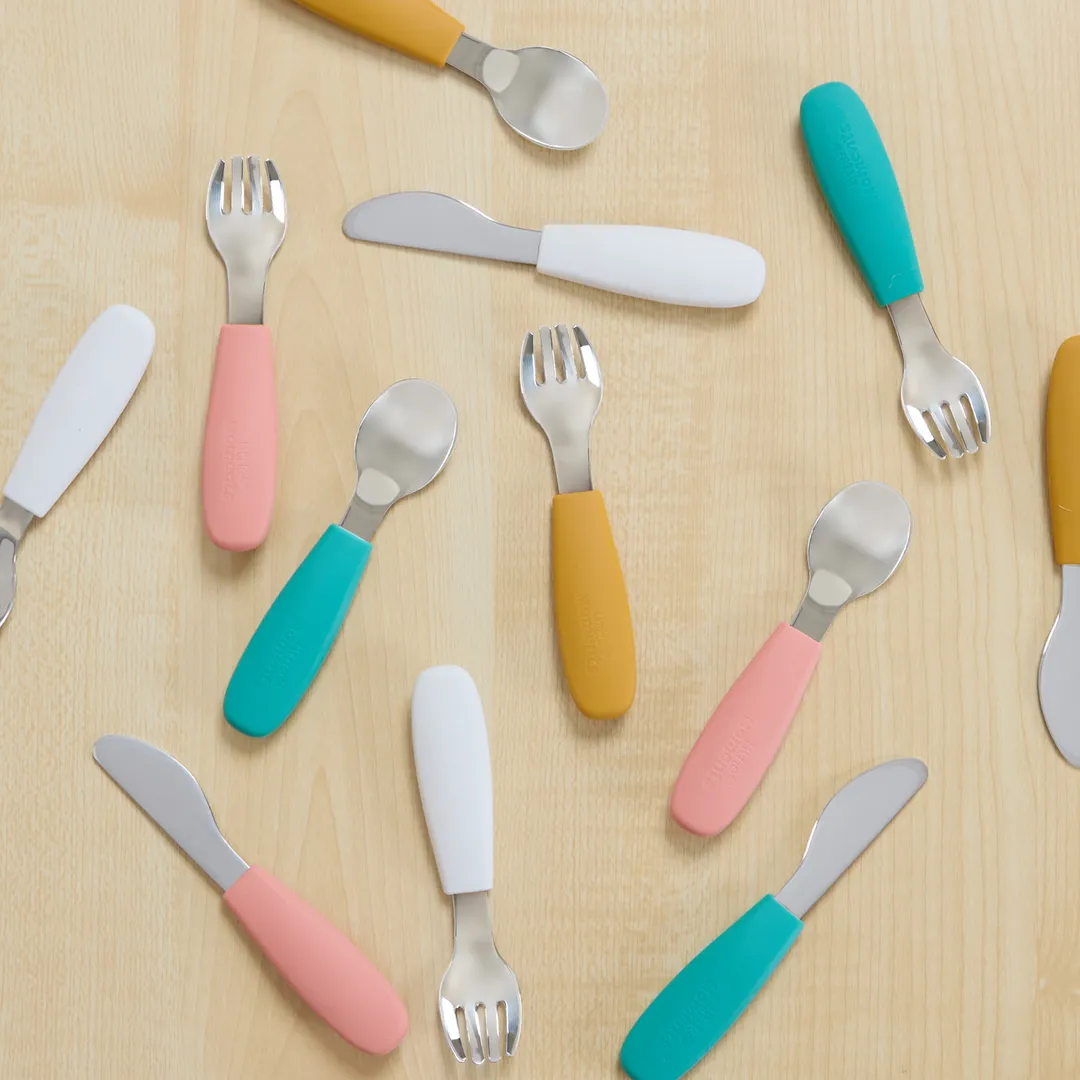
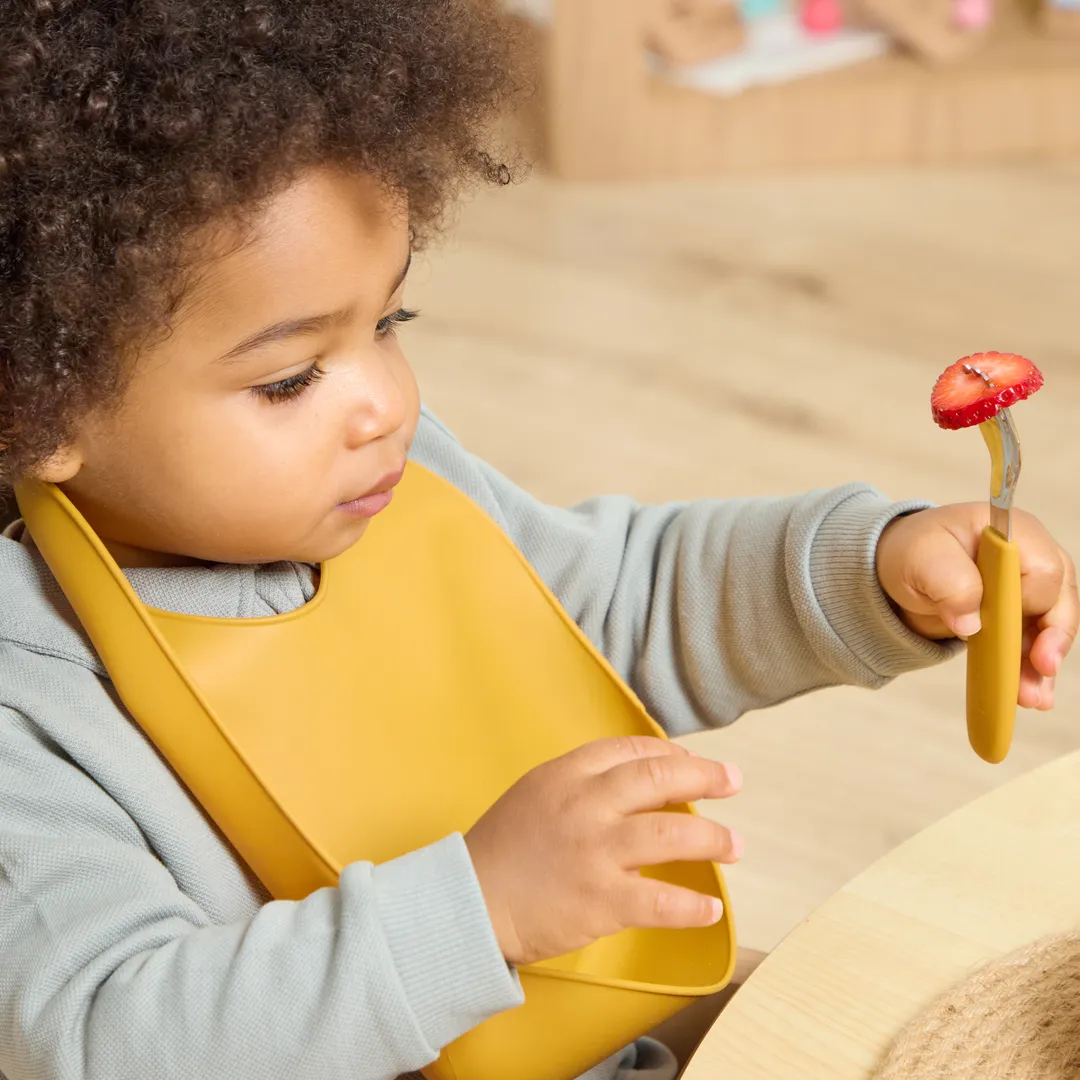
Age appropriate utensils, like the silicone handled Little Moments range, help children to become confident with using their hand eye coordination to feed themselves with comfortable to use, durable cutlery.
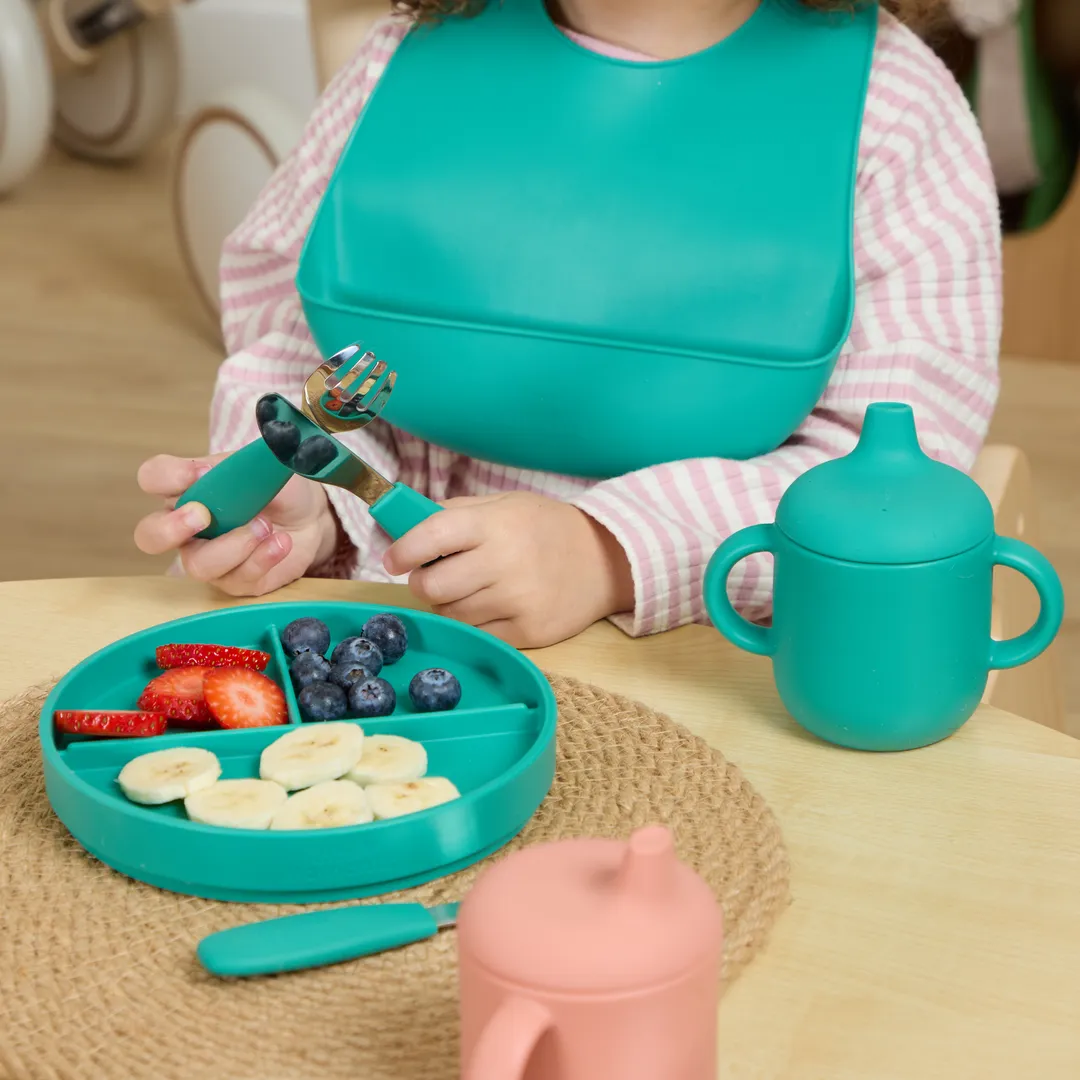
Balanced meals help fuel children’s rapid growth and endless energy. It is essential that children are offered foods from all of these groups throughout the day, to make sure they receive the nutrients they need to grow, learn and develop healthily:
- Carbohydrates such as rice, pasta and potatoes provide the main source of energy for playing and learning.
- Proteins like meat, fish, eggs and beans support healthy growth and muscle development.
- Dairy (or plant based alternatives) foods such as milk, yoghurt and cheese help strengthen bones and teeth.
- Fruits and vegetables provide essential vitamins, minerals and fibre.
- Healthy fats also play an important role in supporting brain development during the early years.
Teaching children about food in simple and positive ways can spark curiosity and build confidence around eating. Explaining that “carbohydrates give us energy to run and play” or “milk helps keep our bones strong” helps children, from an early age, begin to understand how food supports their bodies to function and grow properly.
The language adults use around food really matters. Many early years settings are moving away from describing foods as ‘good’ or ‘bad’, recognising that this kind of moral framing can create feelings of guilt or shame around eating. Instead, some settings use terms such as ‘everyday foods’ and ‘sometimes foods’ to help children begin to understand balance without judgement. Warm, relaxed conversations about food can help children develop a confident and positive relationship with eating as they grow.
Encouraging independence with food
Appetites naturally vary from day to day depending on growth, activity and mood. Allowing children some control over their meals can support independence and help them learn to recognise their own hunger and fullness cues.
Self-service mealtimes, where children can choose what they would like on their plate and return for more if they are still hungry, are a wonderful way to encourage confidence and body awareness. Children should never feel pressured to finish everything off their plate if they are full. Learning when they have had enough is an important life skill and supports healthy eating habits long term.
Food should also never be used as a reward or punishment. For example, pudding should not be offered as a prize for eating vegetables. Instead, desserts can simply form part of a balanced and enjoyable meal experience.
Growing food = Growing curiosity
Giving young children opportunities to grow their own food can have a powerful impact on their attitudes towards healthy eating. Simple activities such as planting herbs, watering vegetables or picking strawberries help children understand where food comes from and build excitement around trying new foods.
Children are often far more willing to taste fruits and vegetables they have helped grow themselves. Gardening also supports wider learning opportunities, helping children develop patience, responsibility and an appreciation for nature and sustainability.
In early years settings, gardening activities can create meaningful conversations about nutrition, lifestyles and caring for the environment; all while making eating nutritious food, fun, grounded in experience and memorable.
The importance of oral health
Healthy habits for strong teeth begin in early childhood. Water and milk are the best drink choices for young children, while sugary drinks such as juice, squash and fizzy drinks should be avoided.
The impact of poor oral health in children can be serious. In the UK, one child undergoes a general anaesthetic every ten minutes to have teeth removed because of tooth decay; a problem that is largely preventable through education for both parents and children, as well as through lifestyle habits that support well-being.
Children should be encouraged to brush their teeth twice a day using age-appropriate toothpaste and for the recommended two minutes each time. Establishing consistent, positive oral health routines early can protect children’s teeth and support lifelong dental health.
The power of adult role modelling
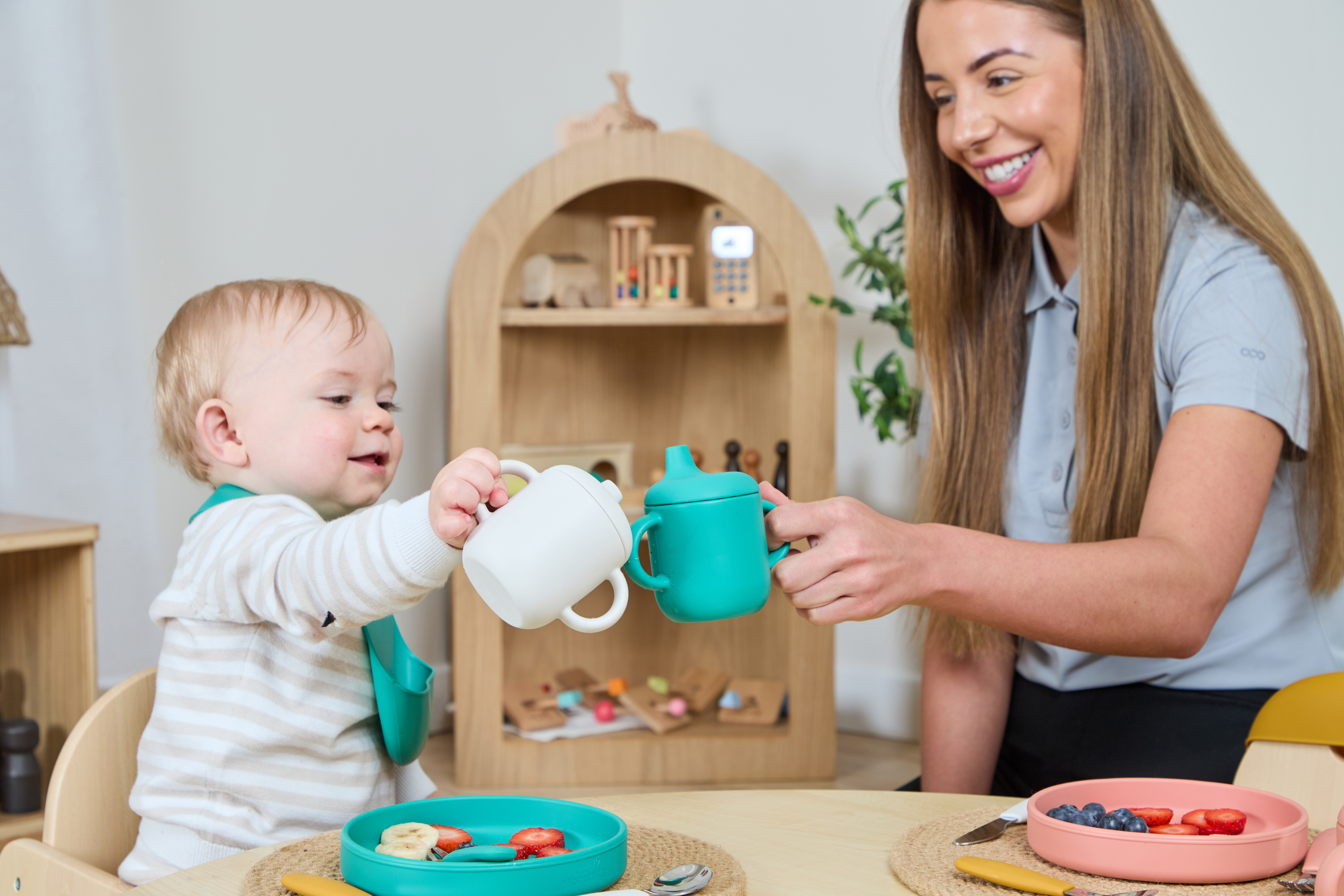
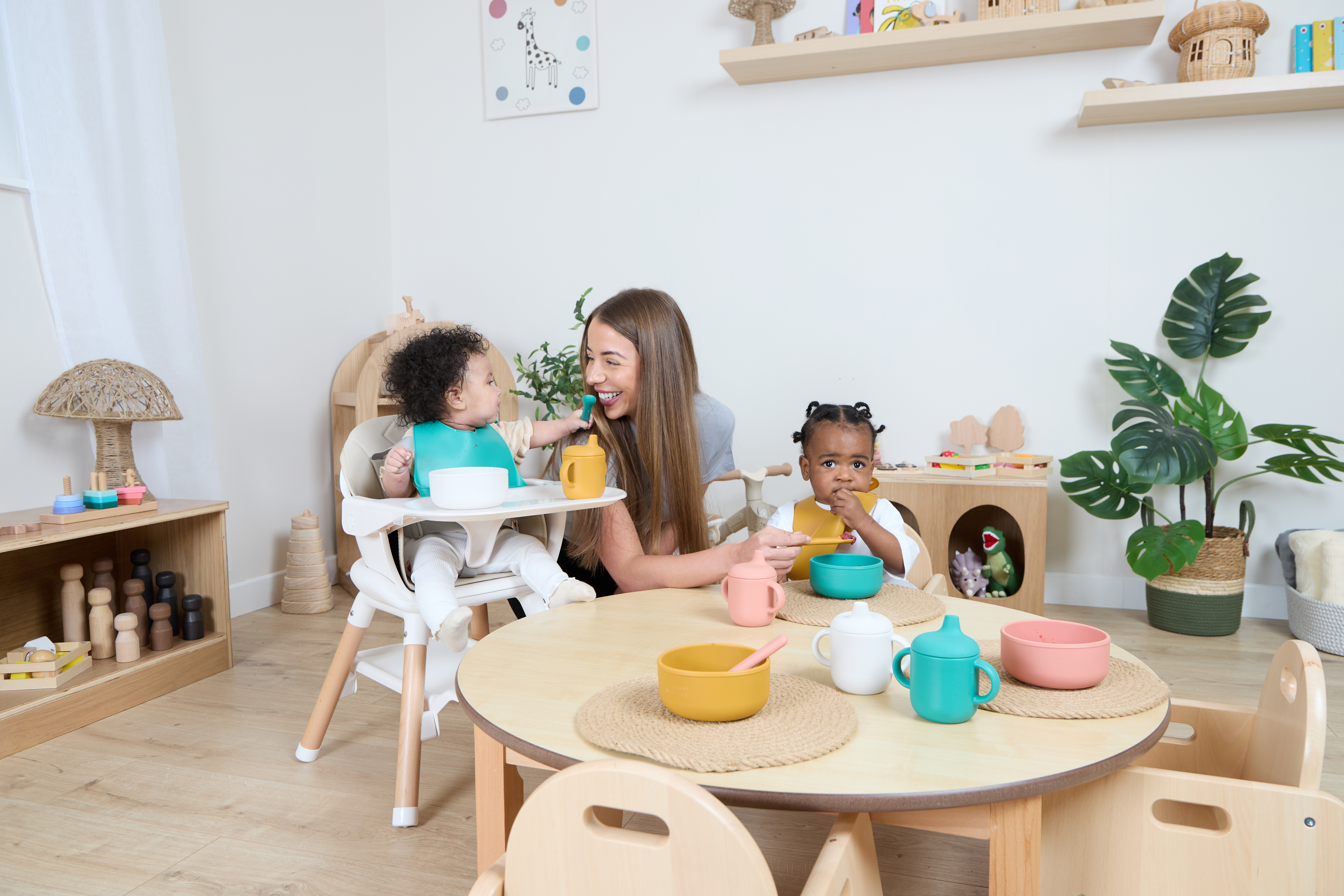
Children learn best by watching the adults around them. When adults sit and eat alongside children, they can model healthy eating habits, positive table manners and a willingness to try new foods. Shared mealtimes are also valuable opportunities for conversation and connection.
Talking about where food comes from and how it helps our bodies can make eating more meaningful and engaging for children. Simple comments such as, “This rice gives us energy to climb and jump alloy,” or “Cheese and spinach help make our bones and teeth strong” can help children connect food with health and well-being.
Seeing trusted adults enjoy a variety of foods often gives children the confidence to explore unfamiliar flavours and textures themselves, while also learning that mealtimes are enjoyable social experiences.
Food allergies and safety
Food allergies and intolerances must always be taken seriously. Clear policies and procedures should be in place to ensure that children with allergies are kept safe during meal and snack times.
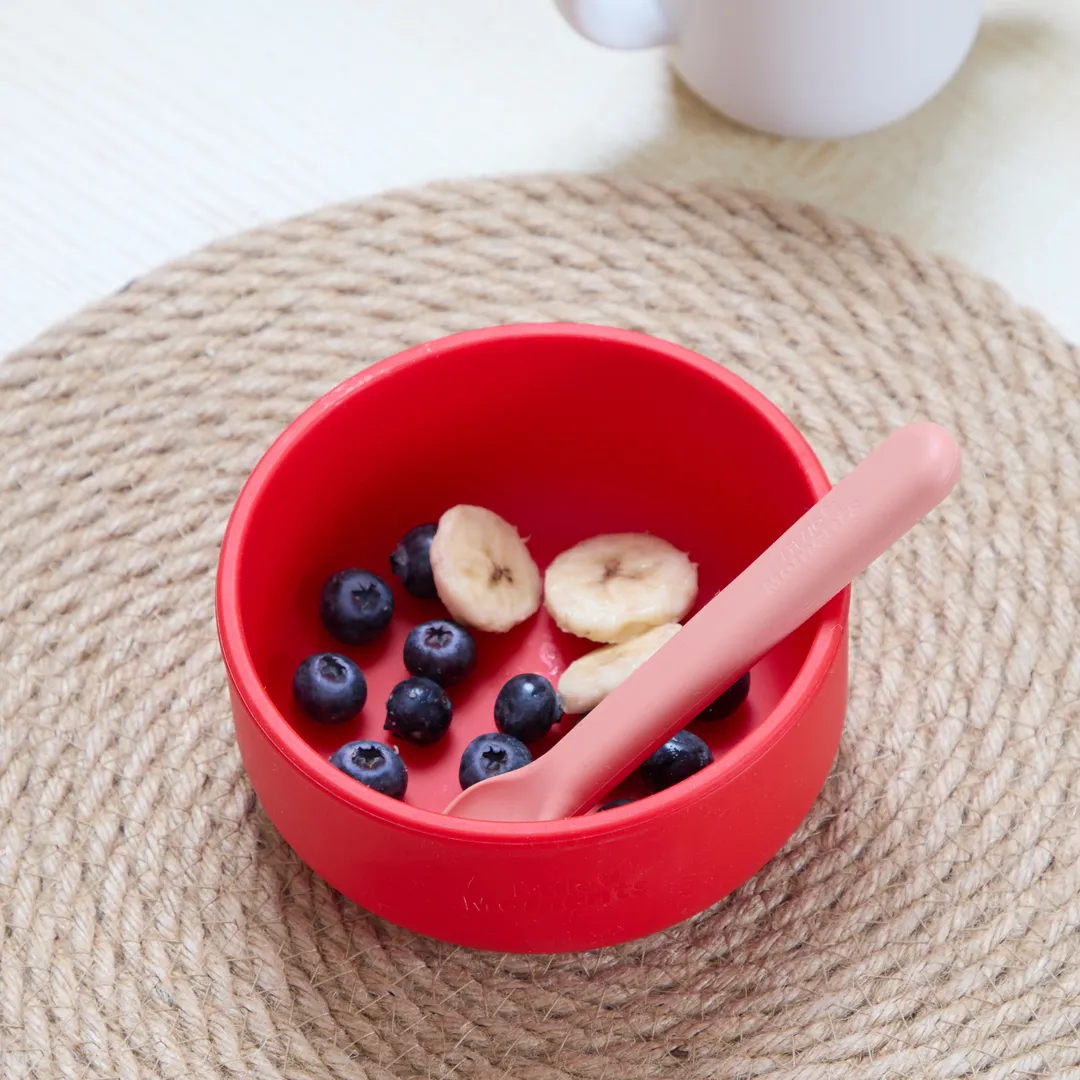
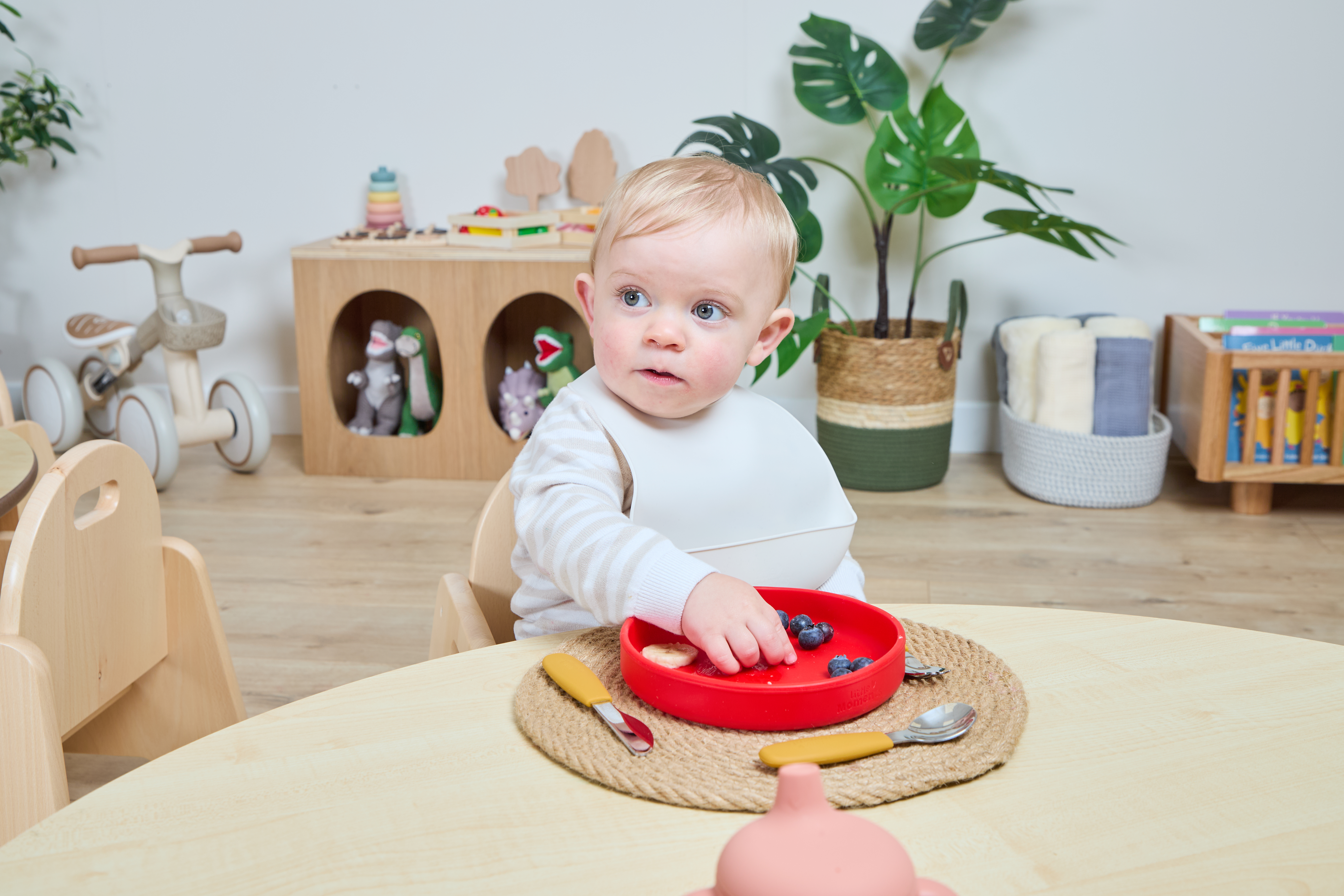
Simple measures, such as clearly labelled plates or coloured silicone plates, like those from the Little Moments range, for children with special dietary requirements, can help adults quickly identify and monitor food safely. Good communication between parents, carers and practitioners is essential to ensure children feel safe, included and supported during mealtimes. It is also important to regularly review allergies and intolerances, as children’s dietary needs can change as they grow and develop.
Creating healthy habits for life
Healthy eating in the early years is about far more than nutrition alone. It is about building confidence, encouraging independence, creating positive experiences and helping children develop a balanced relationship with food.
Having a PANCo (Physical Activity and Nutrition Coordinator) within an early years setting can further support healthy lifestyles by promoting good nutrition and sharing knowledge with staff and families. A PANCo can provide guidance, practical advice and support to help encourage healthy eating habits from an early age. They can also support whole-setting approaches, ensuring consistency between home and nursery environments, so children receive clear and supportive messages about food.
By offering nutritious foods, modelling healthy habits and creating positive mealtime experiences, parents and practitioners can give children the strongest possible foundation for lifelong health, well-being and happiness.
Frequently Asked Questions
Acknowledge that variations in appetite and natural hesitation toward new textures are completely normal development stages. Focus on gentle encouragement without enforcement, offer familiar foods alongside small sensory additions over repeated exposure, and maintain a pleasant, non-judgmental table environment.
Plain water and natural milk are the recommended safe beverage options throughout early childhood. Concentrated fruit juices, sodas, and squashes carry high processed sugar levels that directly accelerate tooth decay and should be restricted.
Author

Emalee Caton
Early Years PANCo Lead Tutor at NDNA