
Helping Children Understand Grief and Loss – A Free School Assembly
Quick Answer
Grief is a normal and natural response to loss, yet it is something many children have very little opportunity to learn about until they experience it themselves.
In this article
Children experience loss in many different ways. Someone they love might die, their parents might separate, a family member may become seriously ill, or someone important to them might move away.
These experiences can bring feelings that children don’t always understand or know how to express.
As educators, we have an opportunity to help children understand grief before they experience a significant loss, rather than waiting until something happens.
Why should schools talk about grief?
Grief is not always visible.
A child who is grieving might become quiet or withdrawn, struggle to concentrate, become frustrated more easily or appear to carry on as usual.
Some children want to talk about their experiences. Others don’t. Some might experience several different feelings in the same day.
There is no single way to grieve, and children benefit from understanding this.
Talking about grief in an age-appropriate way helps children develop an understanding of loss, recognise that different responses are normal and know where they can find support.
Importantly, teaching children about grief does not mean asking them to share their own experiences.
We can use fictional examples, simple explanations and thoughtful discussions to help children learn without putting anyone under pressure to disclose personal information.
A free Grief Awareness Assembly for schools
To support schools in introducing these conversations, we have created a free 10-slide Grief Awareness Assembly as part of our Lessons in Loss® resources.
Designed primarily for Key Stage 2, the assembly takes approximately 10–15 minutes to deliver.
It explores:
- What grief is and the different losses children might experience.
- The feelings that can accompany grief.
- Why grief is not always visible.
- How people respond differently to loss.
- What we might say to someone who is grieving.
- Where children can turn when they need support.
The assembly uses clear, accessible language and encourages children to think about grief without expecting them to talk about their personal experiences.
One message we hope children remember
“You can’t always see how someone is feeling, so always choose kindness.”
This simple message brings the assembly together.
We cannot always recognise grief by looking at someone. A child who is laughing with friends might also be missing someone who has died. Another child might appear quiet or distracted because something significant has changed at home.
Understanding that grief affects people differently is an important part of learning about loss.
Supporting children beyond the assembly
An assembly can introduce an important conversation, although it should not be the only opportunity children have to learn about grief.
Schools can build on this understanding through age-appropriate lessons, access to trusted adults and clear approaches to supporting children experiencing bereavement and other significant losses.
At Lessons in Loss®, we believe children deserve opportunities to learn about death, dying, grief and loss as part of their education, rather than encountering these conversations for the first time when they are already grieving.
Our aim is to help schools feel better prepared and children feel better understood.
Access your free assembly
Our Grief Awareness Assembly is available free through Lessons in Loss® on EuHu, alongside other resources designed to help schools support children experiencing grief and loss.
Explore our free resources and the wider Lessons in Loss® curriculum:
Author
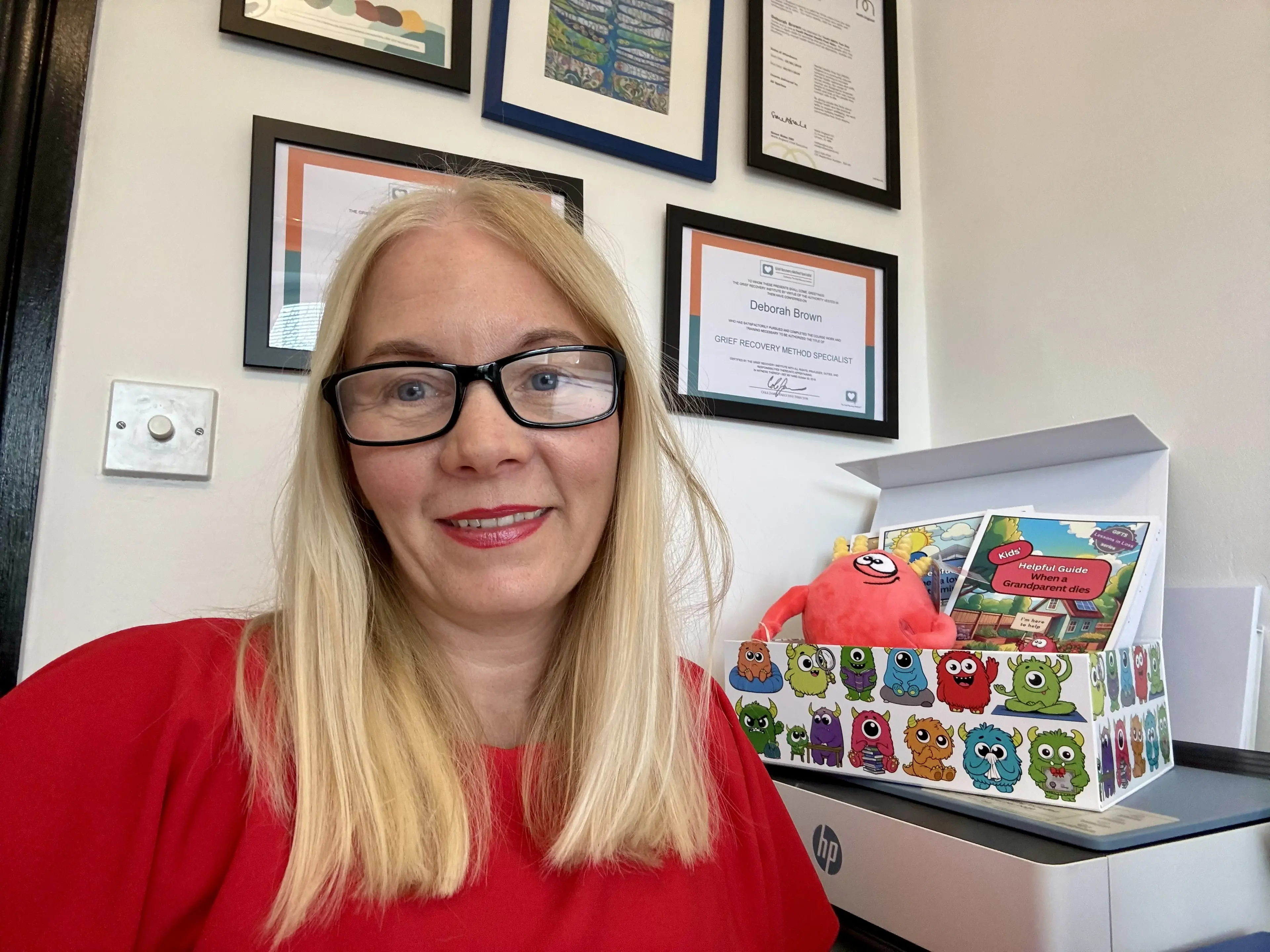
Deborah Brown
Director, Grief Information 4 Teachers and Services Ltd (GIFTS) and Creator of Lessons in Loss®
Deborah Brown is the Director of Grief Information 4 Teachers and Services Ltd (GIFTS) and creator of Lessons in Loss®, an educational programme helping schools teach children about death, dying, grief and loss. An Advanced Grief Recovery Method Specialist, Deborah works with schools to develop practical, age-appropriate resources, training and curriculum materials. She draws on over 25 years of experience in education, including her previous role as a primary school headteacher.