
Schools Want Sustainable Choices — But They Need Clarity and Practical Support
Published on 23/02/2026 in Classroom Inspiration & Curriculum Ideas
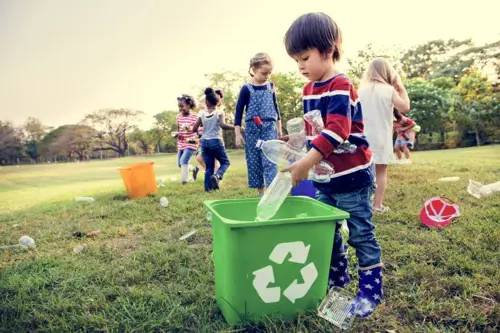
Sustainability is firmly on the agenda for schools, but leaders are clear that environmental ambition must be matched with practical reality.
Recent engagement with more than 600 schools and nurseries shows a sector increasingly aware of its environmental responsibilities, yet still navigating how to translate those intentions into everyday purchasing decisions. While 38% of respondents said sustainability credentials play an important role in procurement, 40% remain undecided, highlighting both growing interest and the need for clearer support.
Chris Leonard, ESG Lead at Findel, believes the findings reflect a system that is moving carefully but deliberately. “Schools want to do the right thing,” Chris Leonard said. “But they are balancing environmental considerations with tight budgets, curriculum priorities and operational pressures. Sustainability has to be clear, credible and workable.”
When asked what matters most, schools prioritised durability, packaging reduction and ethical labour standards. In product choice, leaders valued reusability, lifecycle performance and practical end-of-use solutions above surface-level eco claims. “That tells us something important,” Chris added. “In education, sustainability is about longevity and function. A product that lasts longer reduces cost, waste and disruption. That’s meaningful impact.”
More than half of respondents said that clearer eco-friendly suggestions and alternatives would influence their purchasing decisions. For Chris, that signals a responsibility on suppliers to simplify the journey. “Being Made for Education means removing complexity where we can,” Chris said. “Schools shouldn’t need to decode environmental language. They need transparent information that helps them make confident decisions.”
Importantly, sustainability in schools is increasingly linked to culture and curriculum. Environmental awareness forms part of pupil voice, school identity and wider community expectation. Procurement decisions often reinforce those values. At the same time, funding pressure remains real. With modest increases expected in 2026–27 and greater scrutiny on value, schools must justify every investment. “Sustainability cannot sit outside financial responsibility,” Chris explained. “The most powerful solutions are those that deliver environmental benefit alongside durability, compliance and educational value.”
Findel continues to strengthen its approach to sustainable sourcing, packaging reduction and product transparency, ensuring schools have access to responsible options that are fit for purpose. “Schools are moving forward thoughtfully,” Chris concluded. “Our role is to ensure the pathway is practical, transparent and genuinely aligned to the realities of education.”
As sustainability expectations continue to evolve, Findel remains committed to supporting schools with durable, credible and education-first solutions that stand up to scrutiny both environmentally and operationally.