
Creating Inclusive Classrooms: Evidence Based Products That Support SEN Children
Published on 29/01/2026 in SEND & Inclusion
Creating inclusive classrooms is not just a statutory requirement but a key part of effective teaching. For children with Special Educational Needs (SEN), an adapted environment, supported by evidence based products, can significantly improve their engagement, independence and learning outcomes. While inclusion begins in the Early Years (EYFS), the principles that support SEN learners remain a vital part of primary education.
Inclusion Starts in the Foundation Stage (EYFS)
The EYFS is a critical period for identifying additional needs and embedding inclusive practice for children. At this stage, learning is play based, sensory rich and social. This makes an Early Years classroom the ideal environment for supportive, low threshold interventions that benefit all children and their needs.
Visual supports - products such as visual timetables, now/next boards and choice cards help children with communication and interaction needs to understand routines and reduce stress. This is particularly helpful for when a child joins a setting and is becoming familiar with a new environment. These resources promote independence and are very effective in Nursery, Reception and beyond.
My Top Pick - Hope Education
LDA Visual Timetable Inserts
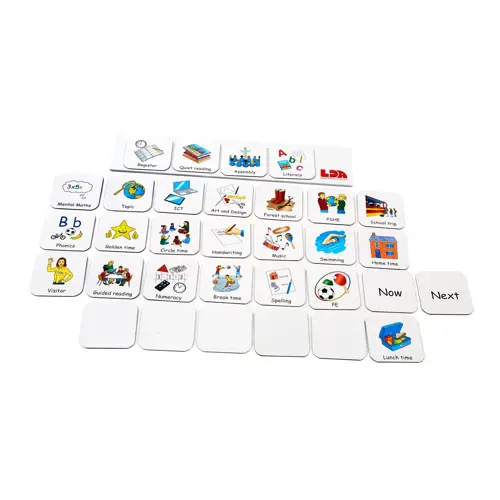
A perfect product for familiarising children with the structure of their day and preparing them for any change. This product has helped embed systems, norms and routines for the children in my class.
£13.49
Sensory regulation products - resources such as textured cushions, fidget tools, weighted lap pads can support children who struggle with sensory processing or emotional regulation. Research consistently shows that when sensory needs are met, children are more able to focus, engage and participate in learning.
My Top Pick - Hope Education
LDA Fidget Kit
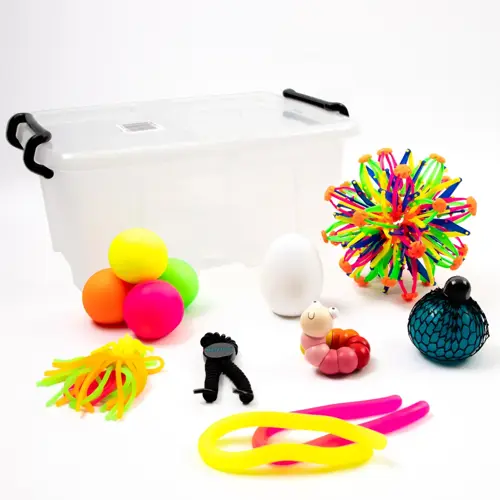
This product is great for children with SEND who may need brain breaks or sensory time between learning. These products also support children’s listening and attention during more structured carpet time.
£40.39
Supporting Communication and Language Development
Speech, language and communication needs are common across the EYFS and primary education. Augmentative and Alternative Communication tools, including symbol based communication boards and simple voice devices enable children to express themselves and access learning alongside their peers. As a practitioner, it is important to consider the needs of each child in class and plan for reasonable adjustments to ensure all children can access an activity or task. In the EYFS, these tools often sit naturally within continuous provision, however, in Key Stages 1 and 2, practitioners must continue to support children with more complex needs, ensuring inclusion in whole class teaching. Additionally, with the recent focus on oracy across primary education, planning for opportunities for talk in class are more important than ever to ensure children with limited vocabulary and EAL children are given opportunities to verbally communicate on a regular basis.
My Top Pick - Hope Education
Smart Kids Language Development Games – KS1/KS2
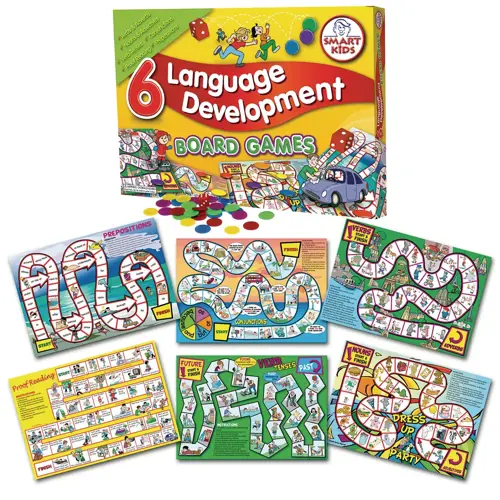
A fun and engaging product to support children’s language learning as well as helping with turn taking and sharing. Children use a range of language and become chattier when engaging in games like this one.
£26.99
Evidence Based Literacy and Numeracy Resources
As children move through primary education, inclusive classrooms rely on structured, multi sensory approaches to learning. Multi sensory phonics resources, using physical resources such as magnetic letters, sound mats and visual cards, are particularly effective for children with dyslexia and learning difficulties. These approaches align well with the EYFS principles while remaining impactful in later years.
In maths, beginning in the EYFS, children use a range of concrete manipulatives as they begin to engage with number play. These resources include counting frames, Numicon shapes and place value equipment which support conceptual understanding for children with cognition and learning needs. Evidence shows that using physical representations when teaching number benefits children with SEND while also strengthening learning for all children.
My Top Pick - Hope Education
Learn Well Early Maths Mystery Number Trays – 10-20
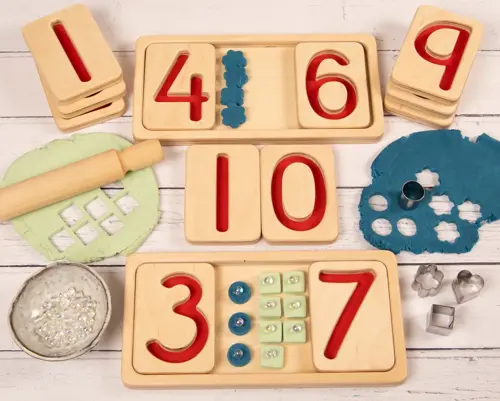
A great concrete resource set for children to explore open ended number activities. Children enjoy matching amounts to numerals in an unstructured way.
£94.99
Using Technology Support
Technology plays an increasingly important role as children progress through school. Simple tools such as talking tins, audio recorders and word processing software with accessibility features support children with writing, memory and processing difficulties. These products reduce barriers to learning without lowering expectations. For example, children can say their sentences into a talking tin and replay it, reducing cognitive load and allowing for full focus on phonics and writing skills.
My Top Pick - Hope Education
Talking Products – Talking Tins
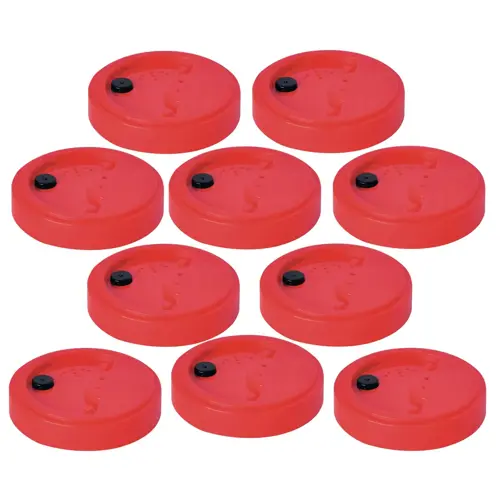
The children in my class enjoy talking through their ideas and playing them back, for example when writing instructions and remembering number calculations.
£9.49
Inclusive For All
One of the strongest messages from evidence based practice is that inclusive products benefit all learners. Tools introduced to support children with SEND including visuals, sensory supports and structured resources often improve classroom organisation, behaviour and engagement for all.
Inclusive classrooms are built through thoughtful planning and choices, not quick fixes. Evidence supported products, when used consistently and alongside high quality interactions, can offer an environment where all children can participate meaningfully in class. From their very first day in Nursery to their final year at school, every child brings ever changing needs. When adjustments are carefully planned, they can have a meaningful impact on outcomes for all children.